

















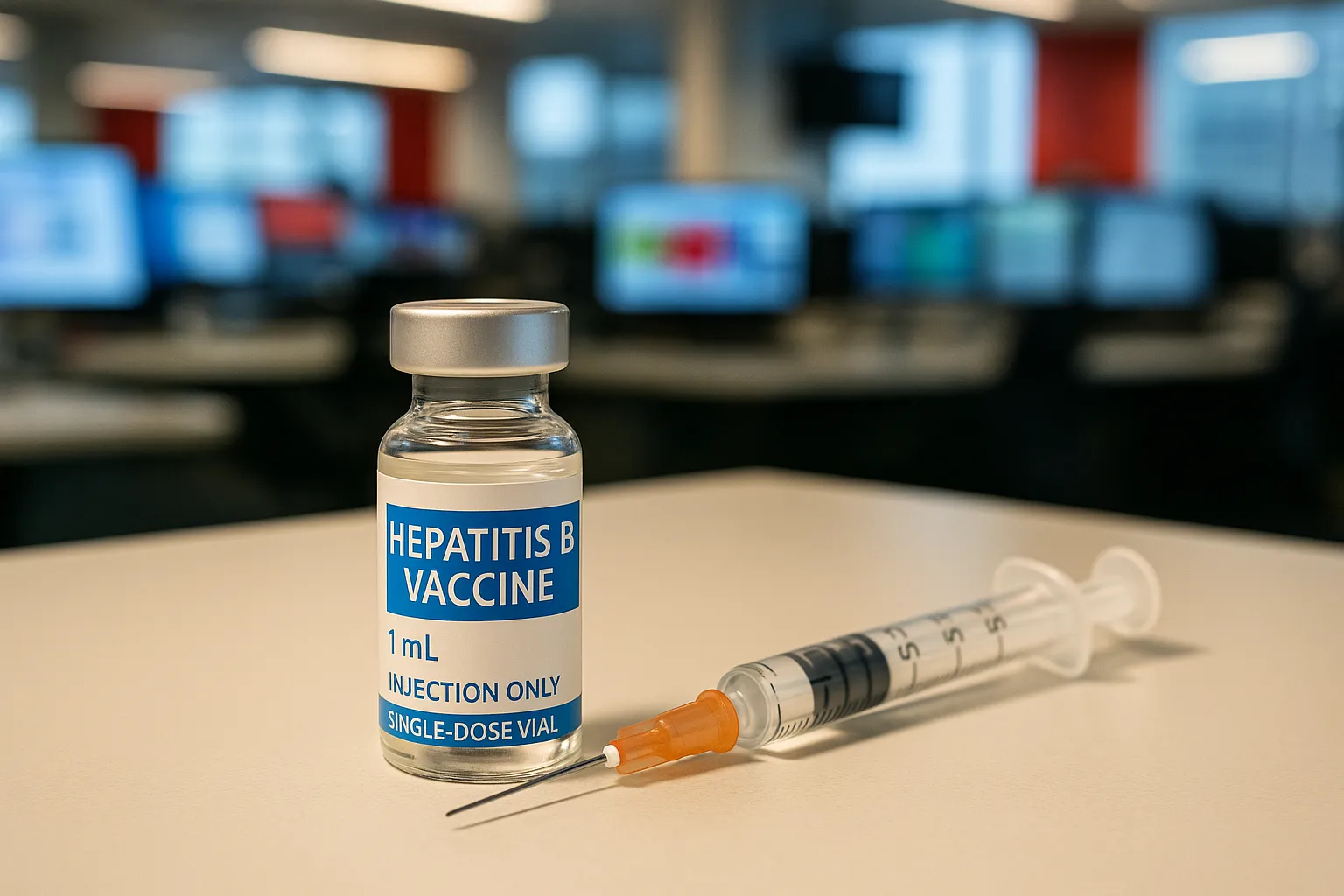
Story Highlight
– US panel votes to end birth hepatitis B vaccination recommendation.
– Health Secretary Kennedy replaced committee with vaccine skeptics.
– President Trump orders review of childhood vaccination recommendations.
– Experts warn changes could increase hepatitis B infections.
– Committee maintains birth vaccine for infants of positive mothers.
Full Story
A recent decision by a panel of US vaccine advisers to amend the longstanding recommendation for administering hepatitis B vaccines immediately after birth has sparked a significant debate among health professionals and policymakers. The Advisory Committee on Immunization Practices (ACIP), responsible for guiding vaccination strategies in the United States, concluded with an 8-3 vote in favour of shifting towards a more tailored approach. The new guidance suggests that the decision to vaccinate newborns born to mothers who test negative for the hepatitis B virus (HBV) should be made on an individual basis, rather than applying a universal standard.
The history of hepatitis B vaccination in the United States dates back to 1991, when it became standard practice to vaccinate all newborns, a policy credited with preventing an estimated 90,000 deaths related to the infection over the decades. However, the recent changes come amid swirling controversies regarding vaccine efficacy and safety, particularly following the appointment of Health Secretary Robert F Kennedy Jr, a noted vaccine sceptic. Kennedy has recently replaced all ACIP members with individuals who share a more critical stance on vaccines.
In light of the ACIP’s decision, President Donald Trump has since directed his health officials to reassess all childhood vaccination guidelines, instructing them to explore best practices from other developed nations. In a memorandum issued from the White House, Trump emphasised the need to evaluate whether recommendations from peer countries could provide better outcomes and, if so, to adjust the US vaccination schedule accordingly. Notably, some countries have fewer vaccine recommendations for children compared to the US.
In a social media post, Trump expressed his approval of the ACIP’s decision, referring to it as “very good.” The ACIP plays a crucial role in advising the US Centers for Disease Control and Prevention (CDC) on vaccination protocols, with the CDC’s acting director having the final authority to approve or implement these recommendations. The new guidelines stipulate that, should a newborn not receive the hepatitis B vaccine immediately, the first dose should not occur until the child is at least two months old. This aspect of the recommendation has raised significant concerns among some panel members, who foresee potential repercussions.
Health experts have voiced worries that the revision might foster unnecessary safety concerns regarding the hepatitis B vaccine, possibly leading to parents opting out of vaccination altogether, which could ultimately increase the incidence of the disease. Dr Cody Meissner, a member of the ACIP who voted against the decision, underscored the vaccine’s well-established safety and efficacy, warning, “To make the changes that are being proposed, we will see more children and adolescents and adults infected with hepatitis B.”
Nonetheless, the committee unanimously agreed on the necessity of administering the hepatitis B vaccine to infants born to mothers who are confirmed to be hepatitis B positive. As for insurance coverage, the recent changes are not expected to alter financial support for the vaccine.
Hepatitis B itself is a severe liver infection, transmitted through direct contact with infectious bodily fluids. The consequences of this virus can be dire, potentially leading to conditions such as liver cirrhosis, liver failure, and cancer. Pregnant individuals afflicted with hepatitis B can inadvertently pass the virus to their newborns during childbirth, increasing the likelihood of chronic infections that can have life-altering ramifications.
The ACIP’s consequential vote followed intense discussions over two days, in which members debated various facets of the vaccine’s administration and coverage—highlighting growing divisions within the group. Several members openly expressed their concerns in light of the evolving guidelines. Dr Joseph Hibbeln described the voting options as “incredibly problematic,” while Dr Meissner lamented that the motives behind the decision appeared steeped in “baseless scepticism.”
In contrast, some committee members who supported the new approach, such as Retsef Levi, argued that US vaccination policies regarding hepatitis B are “misaligned” with global standards. The World Health Organization’s recommendation involves administering vaccinations at birth, one month, and six months, while the UK’s schedule consists of vaccinations at eight, twelve, and sixteen weeks—unless the mother tests positive for the virus. This international comparison highlights the varying strategies employed by different health authorities.
Throughout the committee’s sessions, numerous physicians provided testimonies, many voicing their dismay concerning the possibility of abolishing universal vaccination guidelines. Advocates for the birth dose have maintained that restricting vaccination only to infants born to hepatitis B positive mothers could leave some newborns vulnerable. They underline that the risks posed are heightened by the inconsistency of testing availability among pregnant women and the potential for misleading test results.
Kennedy’s administration has faced scrutiny not just for its stance on hepatitis B vaccinations but for its broader vaccine policy adjustments. Following the ACIP’s vote, Republican Senator Bill Cassidy, a physician who had previously supported Kennedy’s appointment, expressed his disapproval. Cassidy contended, “The hepatitis B vaccine is safe and effective. The birth dose is a recommendation, NOT a mandate,” arguing that this shift in guidance would pose unnecessary risks to public health.
In reaction to the ACIP’s new directives, the Maryland state health department quickly issued a statement urging health care providers to maintain the practice of administering the hepatitis B vaccines at birth. It reaffirmed its commitment to ensuring access to vaccines for all infants and children in the state, underscoring the importance of vaccination as a safeguard against a potentially devastating disease.
This pivotal moment in US vaccination policy is still unfolding, and health experts, parents, and policymakers alike will be following closely to understand the long-term implications of these changes.
Our Thoughts
This article does not directly pertain to UK health and safety legislation. Therefore, there are no relevant safety lessons, breaches, or preventive measures applicable to UK regulations regarding the discussed changes to vaccination policies in the US.