

















Story Highlights
– Worker injured by electrical flashover at wind farm.
– Natural Power Services fined £80,000 for safety breach.
– Incident occurred during maintenance work on June 23, 2020.
– HSE found company ignored switching programme protocols.
– Guidance for electrical safety available on HSE website.
Full Story
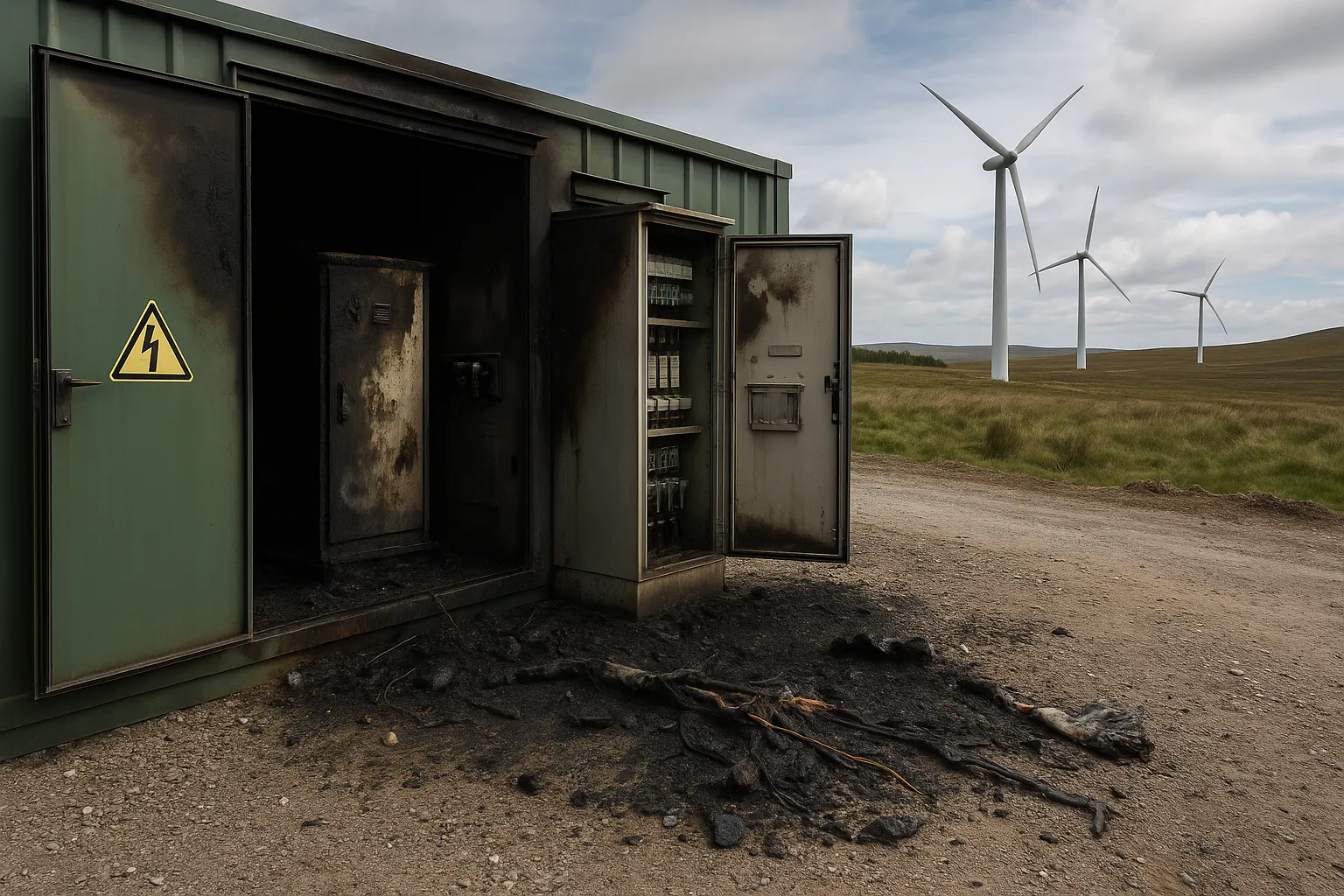
A significant incident at the Tom Nan Clach Wind Farm, situated near Inverness, has resulted in a substantial fine for a management services company following a serious workplace injury. Natural Power Services Limited faced repercussions from the Health and Safety Executive (HSE) after a 38-year-old employee suffered life-altering injuries due to an electrical flashover while conducting maintenance work within an electrical substation on 23 June 2020.
The HSE’s investigation into the incident unveiled critical safety lapses. It was determined that the worker was exposed to live electrical components due to deviations from the established switching programme. This oversight allowed part of the electrical infrastructure to remain energised during maintenance activities, thereby increasing the risk of electrical hazards for those on site.
Failure to adhere to the original switching protocol was pivotal in precipitating the accident. The investigation revealed that Natural Power Services Limited lacked an adequate system to ensure proper verification and oversight of switching protocols. Such a system ought to have included stringent checks of any amendments made to the switching schedules, ensuring that safety measures were rigorously upheld throughout operations.
In light of these findings, Natural Power Services Limited pleaded guilty to violations of Sections 3(1) and 33(1)(a) of the Health and Safety at Work etc. Act 1974. As a result of the infractions, the company was fined £80,000 in a ruling delivered by Inverness Sheriff Court on 25 November 2025.
Following the court proceedings, a spokesperson for the HSE commented: “This was a wholly avoidable incident caused by the failure of the company to implement a safe system of work. The necessary precautions should have been in place to ensure rigorous checking and reviewing of the procedures. Such a process is essential to ensure that individuals performing the work adhere to switching programmes in a safe and suitable manner. Had these measures been in place, the risks associated with additional parallel works impacting the planned switching programme could have been effectively managed.”
This incident highlights the imperative for rigorous health and safety practices in high-risk environments, such as wind farms, where electrical systems pose significant dangers if mishandled. The implications of failing to follow safety protocols can be grave, not only for the workers directly involved but also for the broader operational integrity of such facilities.
Furthermore, the HSE’s commitment to workplace safety encompasses the provision of resources aimed at preventing similar accidents. The regulatory body offers free guidance on their website regarding electrical safety and the overarching management of health and safety protocols. Employers are encouraged to leverage these resources to foster safer working environments and mitigate risks associated with electrical works.
The HSE plays a crucial role as the UK’s principal regulator for workplace health and safety, tasked with protecting workers and public safety. Its rigorous oversight and guidelines are designed to prevent workplace injuries and ensure compliance with established legal standards.
Regionally, the safety standards at wind farms are particularly pertinent, given the increasing reliance on renewable energy sources across Scotland and the broader UK. These facilities are essential for achieving sustainability goals, yet they also carry inherent risks that must be managed with careful attention to safety protocols and operational regulations.
In addition to financial penalties, the repercussions of such incidents can lead to long-term ramifications for companies, including damage to reputation and potentially increased scrutiny from regulatory agencies. Industry experts underline that maintaining a robust safety culture is not just a legal obligation but also a moral imperative for employers in high-risk sectors.
The case serves as a somber reminder of the importance of implementing comprehensive safety measures and the dire consequences of neglecting these responsibilities. While the manager’s failure to uphold safety protocols led to severe consequences for one employee, it underscores the broader need for vigilance in protecting all individuals working in hazardous environments.
As organisations continue to navigate the complexities of operational safety in electrified environments, this incident emphasises the ongoing need for training, adherence to safety standards, and the constant review of operational procedures to prevent similar occurrences in the future. As such, all stakeholders in the wind energy sector must remain diligent in the pursuit of safe working conditions.
Our Thoughts
The incident at Tom Nan Clach Wind Farm highlights critical failures in adhering to safety protocols. To avoid such occurrences, Natural Power Services Limited should have strictly followed the initially prepared switching programme, ensuring all systems were isolated before maintenance. Implementing a robust system to review and approve any changes to switching procedures would have established a safer work environment.
The company breached Sections 3(1) and 33(1)(a) of the Health and Safety at Work etc. Act 1974, which mandate employers to ensure, as far as is reasonably practicable, the health and safety of their employees. Key safety lessons include the necessity of enforcing rigorous processes for operational changes and ensuring all personnel are adequately trained on electrical safety protocols.
To prevent similar incidents, the company could implement regular safety audits, enhanced training for workers on risk management, and a culture of safety where employees are encouraged to question and halt unsafe practices. Accessing HSE’s free guidance on electrical safety would provide critical information that could further fortify safety measures within the workplace.