









Story Highlight
– Flu hospitalizations up 56% compared to last year.
– Vaccination crucial for healthcare workforce resilience and patient safety.
– Thoughtful gifts can mitigate winter illness risks for elderly.
– Rising homelessness highlights urgent need for charitable support.
– Loneliness remains a significant public health challenge this winter.
Full Story
As the year draws to a close, Dr Zuzanna Sawicka, the Royal College of Physicians’ (RCP) clinical director for patient safety and clinical standards, has taken this opportunity to reflect on the little gestures that can foster support for both one another and the National Health Service during the winter months.
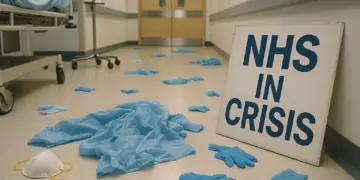
While many people are eager to celebrate the festive season, the reality for hospitals across the UK during this time can be quite challenging. Each winter, healthcare facilities face mounting pressures, and current trends suggest that this year is proving no different. Figures show that hospital admissions related to influenza are significantly higher than they were at this point last year, with a staggering 56% increase reported in England alone.
This raises the question: what practical actions can individuals take to assist the health and care system? While the goodwill of the public is commendable, real change ultimately requires consistent actions that can alleviate avoidable harm, thwart illness, and help lighten the burden on healthcare workers.
At the forefront of prevention lies a crucial yet straightforward measure each person can undertake—getting vaccinated against flu. Health professionals often encourage patients to receive their flu shot, but it is equally important for them to lead by example. A workforce that is vaccinated not only sees lower absence rates due to illness but also enjoys better protection against severe complications. Although flu vaccinations do not always guarantee complete immunity, they significantly lessen both the severity and duration of symptoms. This, in turn, ensures that staffing levels remain robust during periods when every shift is crucial.
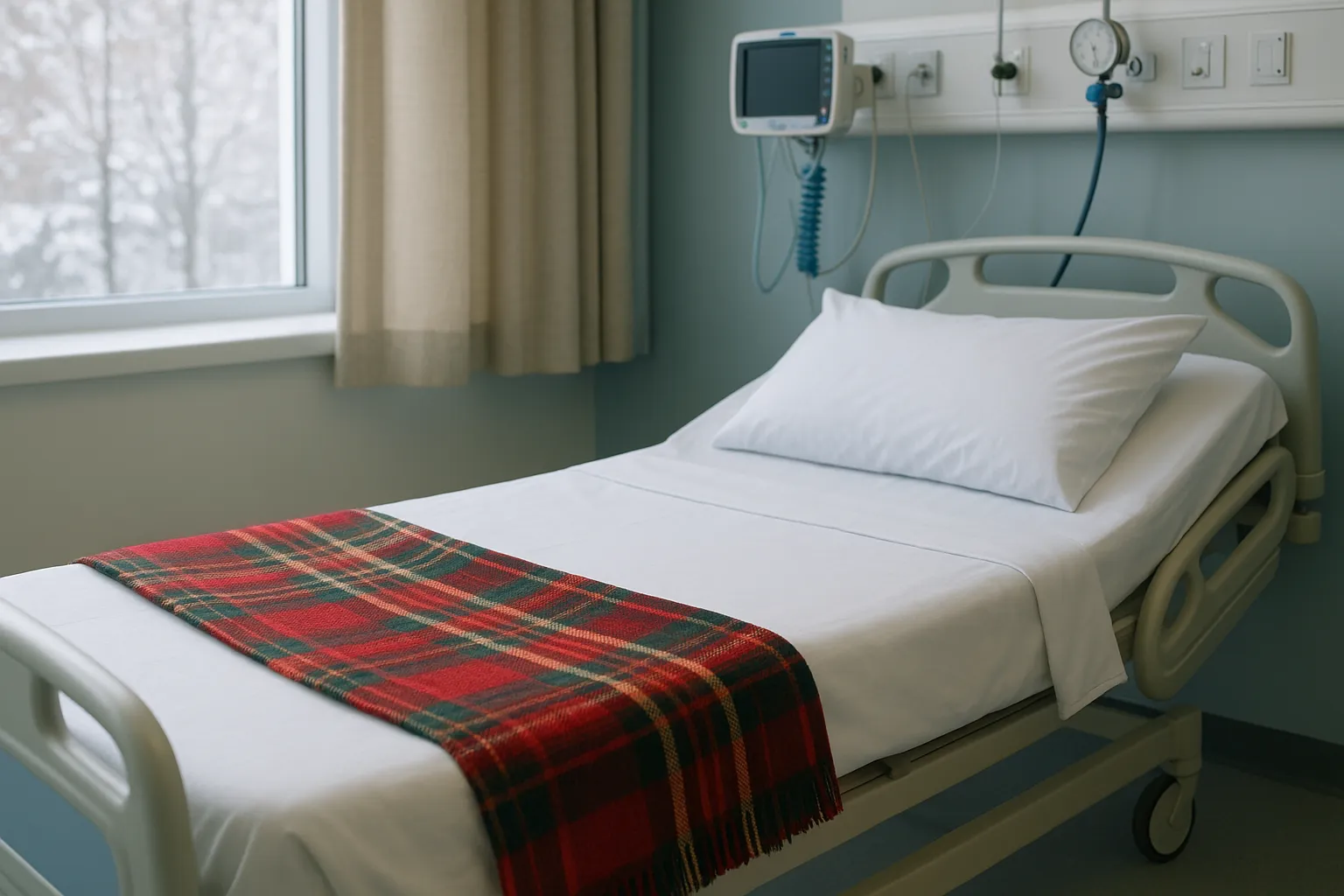
The festive season typically brings forth the habit of gift-giving, and this year, thoughtful presents can possess a preventive advantage. Items such as warm blankets, thick jumpers, or cosy slippers can serve a greater purpose than mere holiday cheer. With the cost of living crisis exacerbating concerns, many older individuals face challenges in heating their homes. Staying warm can significantly decrease the likelihood of illnesses, frailty, and injuries caused by falls.
Statistics indicate that approximately one-third of those aged over 65 and half of individuals over 80 are subjected to a fall each year. Reports from the RCP’s Falls and Fragility Fracture Audit Programme reveal that over 70,000 individuals across England, Wales, and Northern Ireland suffer major fragility fractures annually. Alarmingly, this number is projected to double by 2060 unless preventative actions and treatments are effectively implemented.
Moreover, traditional gifts such as bottles of wine or spirits could warrant reconsideration. In a survey carried out by the RCP in June 2025, it was revealed that roughly one in four physicians manage cases closely linked to conditions stemming from or exacerbated by alcohol dependency. As alcohol remains the most widely consumed drug in the UK, opting for alcohol-free alternatives could send a positive and powerful message.
Environmental considerations, too, should be woven into our festive reflections this December. The RCP has updated its Green Physician Toolkit, which encourages healthcare professionals to evaluate how their everyday choices impact the planet, as well as how environmental changes affect patient health. Suggestions in the toolkit include reducing unnecessary prescriptions, minimising waste, limiting excessive blood tests especially during busy holiday periods, and advocating for sustainability in clinical governance. As a possible New Year’s resolution, health professionals could resolve to engage with this toolkit and commit to at least one sustainable initiative in the coming year.
Another important facet of the season is the charitable giving that often accompanies it, especially as the need arises more than ever. The rise in homelessness is stark, with 132,410 households presently residing in temporary accommodation in England—a 76% increase since the previous year. Additionally, the numbers of homeless individuals who are sleeping rough in London have risen by 63% over the past decade. During this winter, countless individuals will find themselves resorting to makeshift shelters, including tents and NHS-issued blankets, not for comfort but rather for survival.
Healthcare charities, social care organisations, and hospices are grappling with serious financial constraints, making even the smallest donations and acts of kindness impactful. Clinicians can play a vital role by ensuring that patients discharged during the holiday season leave with comprehensive information on accessing social care, community services, and urgent support—essentially enabling a conversation that could avert future crises.
Amidst these pressing issues, another silent yet significant challenge persists: loneliness, which poses a substantial public health concern. According to data from the Office for National Statistics released in early 2025, approximately 7.1% of adults endure chronic loneliness, with one in four finding themselves encumbered by feelings of isolation at least sometimes. While many individuals may spend the festive period with family, others face the holiday void without visitors, gifts, or companionship. Small gestures—like a friendly card, a phone call, or a brief conversation—have the potential to make a profound difference in their experience during these lonely times.
In conclusion, physicians carry a trusted mantle characterised by knowledge, judgement, and compassion. Throughout the holiday season, many will continue performing their vital role, ensuring the welfare of patients, navigating complex decisions, and collaborating within multidisciplinary teams dedicated to maintaining the operations of the NHS while the rest of the nation pauses to celebrate.
Dr Kate Granger’s poignant message, embodied in her ‘Hello, my name is’ campaign that reshaped patient care, serves as a poignant reminder that the little things truly do matter. Simple acts—such as a smile, a goodwill wish, or a moment of kindness—serve to uplift and empower, providing vital support to both caregivers and patients alike.
As this Christmas approaches, whether you find yourself on duty, at home, or in transition between the two, there is much to be grateful for and accomplished. Wishing everyone a peaceful festive season, and may 2026 bring for all, including the NHS, a landscape that is both healthier and filled with renewed hope.
Our Thoughts
The article highlights the winter pressures faced by NHS hospitals and suggests measures to alleviate harm and enhance resilience. To prevent similar incidents in the future, key safety lessons include emphasizing the importance of vaccinations among healthcare workers and promoting community health initiatives. A more proactive approach to influenza vaccination could reduce staff absenteeism and protect vulnerable patients, addressing regulations under the Health and Safety at Work Act 1974, which mandates employers to ensure the health and safety of employees.
Additionally, encouraging the provision of warmth for older patients can help prevent falls, aligning with the Management of Health and Safety at Work Regulations 1999, requiring risk assessment for health-related issues. Emphasizing the role of healthcare professionals in mitigating the effects of loneliness during winter could help in compliance with the Care Act 2014, which focuses on promoting well-being.
Incorporating sustainable practices through the Green physician toolkit is essential to maintain compliance with environmental health regulations. Overall, a culture of preventative health actions and community support could significantly mitigate risks during winter pressures on the NHS.