

















Story Highlight
– Company fined £140,000 for serious safety breaches.
– Worker David Lockwood died from head injuries.
– Investigation revealed lack of effective safety measures.
– Company guilty of breaching Health and Safety Act.
– Eight prohibition notices issued after the incident.
Full Story
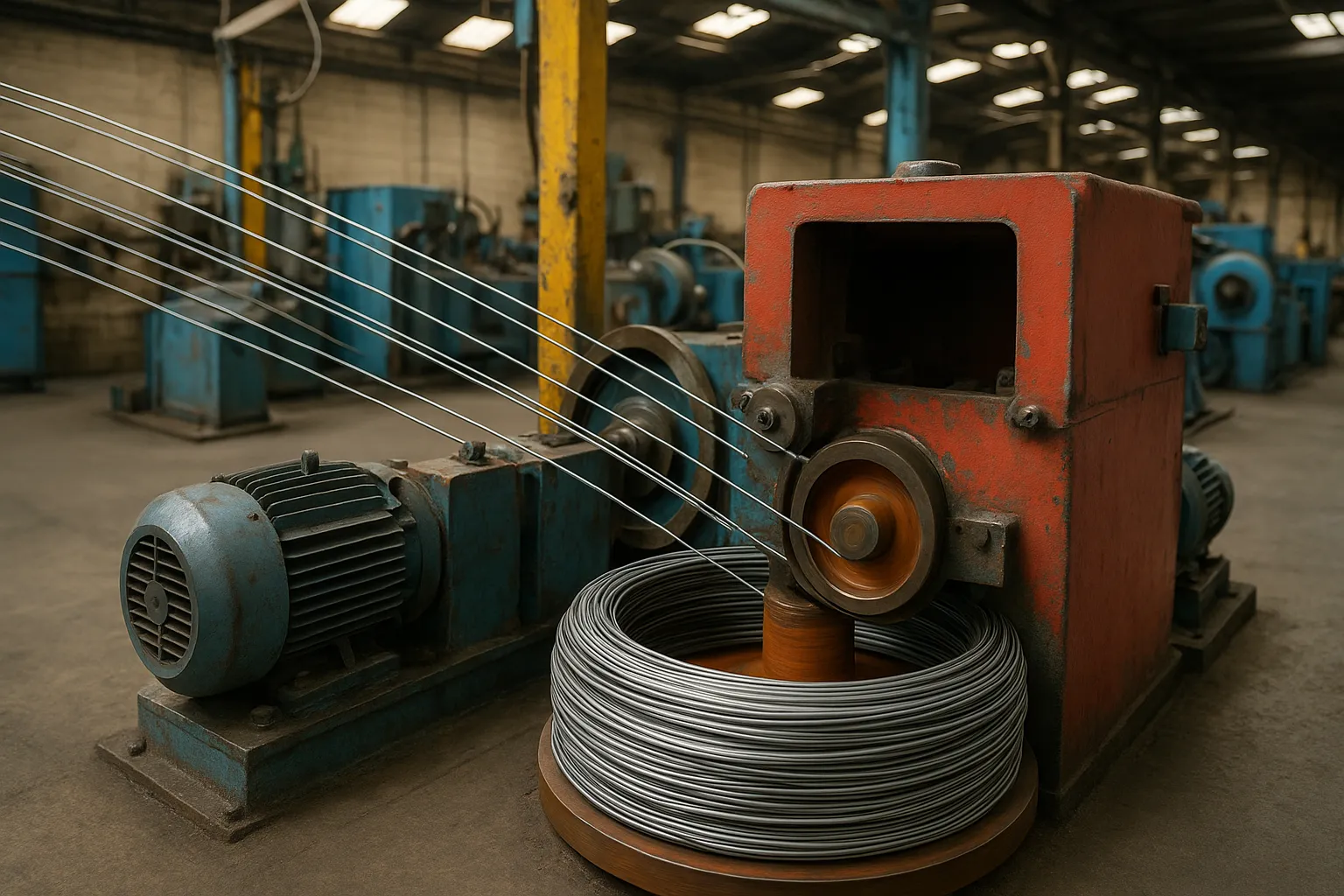
A wire manufacturing firm has been penalised with a £140,000 fine due to significant breaches of health and safety regulations that culminated in the tragic death of an employee. David Lockwood, a 45-year-old worker, lost his life from severe head injuries after becoming trapped in an unguarded wire drawing and recoiling machine located at the Stanley Wire Ltd facility on Talbot Road, Penistone, on 18 November 2021.
The investigation conducted by the Health and Safety Executive (HSE) revealed that the company had not implemented adequate measures to avert worker access to the machine’s dangerously moving parts. In the aftermath of the incident, Stanley Wire Ltd admitted to violating the Health and Safety at Work Act. Consequently, the firm was fined and directed to cover costs totaling £6,652 during proceedings held at Sheffield Magistrates’ Court on Thursday.
The HSE underscored that there was a distinct failure by the company to conduct a comprehensive risk assessment aimed at establishing a safe operational protocol, which should have been effectively communicated to its workforce. It was identified that safety features should have been installed to prevent personnel from entering the machine—referred to as a gravity block—while it was in motion.
Furthermore, the HSE asserted that instead of solely depending on verbal instructions, the company should have designated a qualified individual on-site and provided structured training to its workers. Investigators noted a consistent absence of industry-standard safety protocols across various machines over an extended timeframe.
Following the court hearing, HSE inspector Charlotte Bligh remarked, “In the wake of the incident, eight prohibition notices were issued to the company. The remedial steps taken indicate that suitable measures, such as effective guarding, were readily available and could have been implemented if the associated risks had been adequately assessed.”
This incident serves as a poignant reminder to all businesses within the manufacturing sector about the imperative nature of stringent health and safety practices. The HSE has made it clear that they will take necessary enforcement action against any business that fails to meet established health and safety criteria.
The circumstances surrounding David Lockwood’s death highlight grave concerns over safety in the workplace, a reflection echoed by safety advocates in the industry. Commentators have called for a thorough review of safety protocols and systems within similar manufacturing environments to prevent such fatalities in the future.
Health and safety experts have stated that rigorous risk assessments are not merely a regulatory checkbox but a crucial part of operational integrity that ensures worker safety. Implementing robust training programmes that cover not just the operation of machines but also the understanding of risks inherent in the workplace is vital.
Workers’ safety should never be an afterthought, especially in environments where heavy machinery operates. Industry advocates emphasise that companies owe their employees a duty of care to enforce strict control measures and ensure comprehensive training. With machinery like wire drawing machines known for their potential hazards, the necessity for formidable guarding mechanisms becomes even more pronounced.
“The use of qualified personnel for overseeing machine operations can significantly mitigate risks,” stated a health and safety consultant familiar with the case. “Training should equip workers with the knowledge to identify potential hazards, power down machines correctly, and recognise when to speak up about unsafe conditions.”
In light of these tragic events, calls for increased accountability and transparency from manufacturing companies have gained momentum. Stakeholders are advocating for the introduction of stricter penalties for non-compliance with health and safety regulations, highlighting that the cost of negligence is far higher than any financial penalty imposed after an incident has occurred.
The HSE continues to monitor compliance across industries and has reiterated that it will not hesitate to enforce regulations strictly. Their commitment to maintaining high safety standards reflects a growing recognition that proactive measures must be prioritised to protect workers.
Incidents like the one at Stanley Wire Ltd serve as stark illustrations of the grave consequences that can arise from negligence. The collective aim of industry representatives, health and safety organisations, and regulatory bodies is to foster a culture of safety that upholds the welfare of all workers across sectors.
As the inquiry progresses, further measures may be recommended to ensure that no one else faces the same tragedy as David Lockwood. The focus now shifts to learning from this unfortunate event to enact changes that will enhance workplace safety for the future.
Our Thoughts
The tragic incident at Stanley Wire Ltd highlights critical failures in health and safety management, which could have been avoided. Key lessons include the necessity for comprehensive risk assessments and the implementation of effective safety measures. The company breached the Health and Safety at Work Act by failing to guarantee safe access to machinery and not safeguarding against potential dangers associated with unguarded moving parts.
To prevent similar incidents, employers must conduct thorough risk assessments and create a documented safe system of work, ensuring that this is communicated to all employees. The appointment of a competent person to oversee health and safety practices is essential, along with providing formal training instead of relying on informal verbal instructions.
The incident demonstrates the importance of adhering to health and safety regulations, particularly in machine operation. The HSE’s subsequent enforcement actions underline the consequences of neglecting safety standards. Regular audits and safety checks should be conducted to ensure compliance and to protect workers from avoidable hazards.