















Story Highlight
– Red kite population in Britain is under threat.
– Government disregarded advice to ban harmful poisons.
– Significant rise in SGAR poison levels noted in kites.
– Brodifacoum levels surged by 355% in recent years.
– Critics call for urgent review of rodenticide use.
Full Story
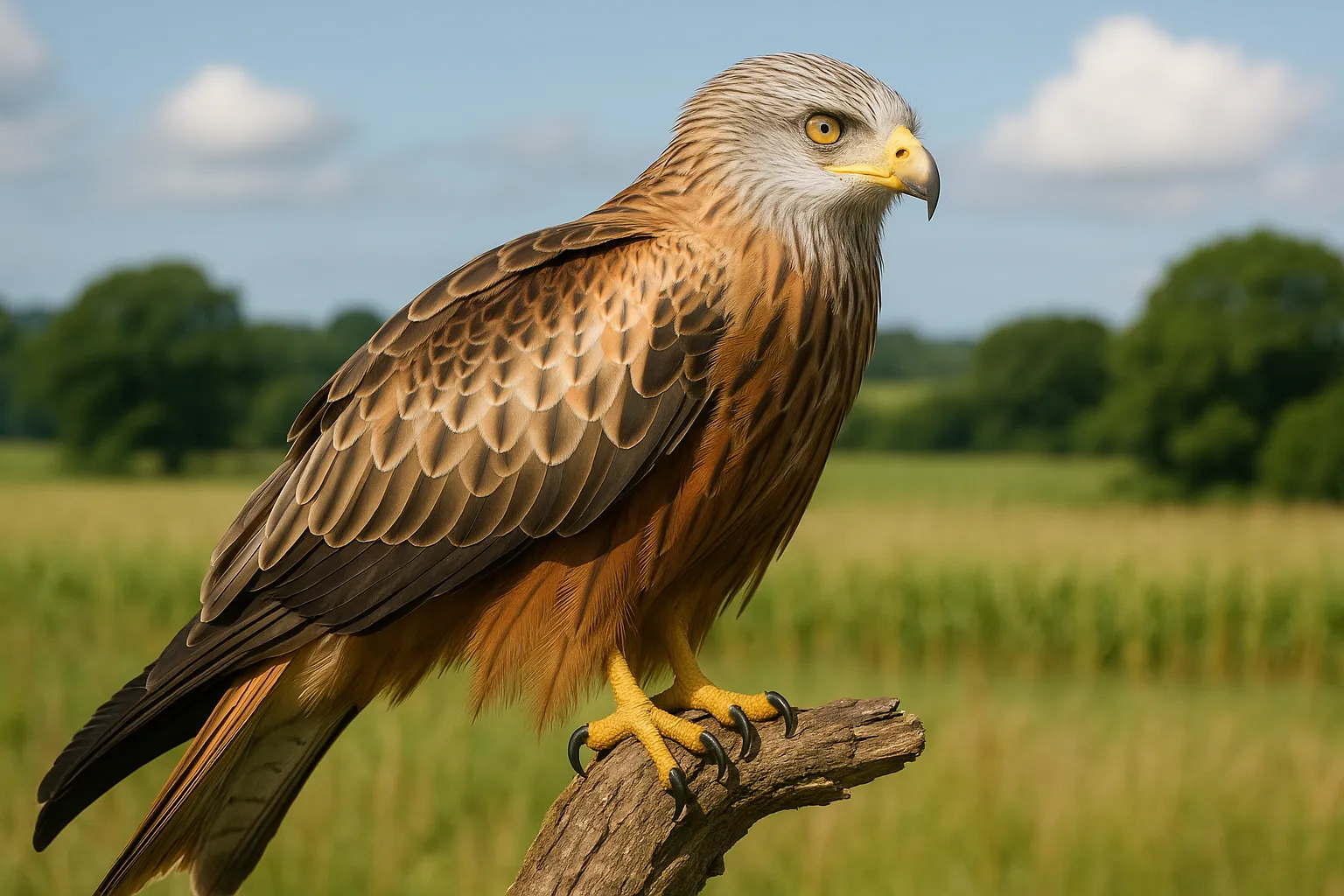
The red kite, an iconic bird symbolising the rich wildlife of Wales, now faces new challenges despite a remarkable recovery from near extinction in the 20th century. Current research conducted by Wildlife Poisoning Research UK (WPRUK) highlights alarming trends suggesting that these majestic birds are at increased risk due to decisions made regarding environmental policies by the UK Government.
As natural scavengers, red kites play a crucial role in indicating environmental toxicity levels. However, threats are escalating, primarily from second-generation anticoagulant rodenticides (SGARs), widely used as rat poisons. These substances pose a significant risk to red kites, who can become fatally poisoned when they consume infected rodents.
A risk assessment was conducted by the Health and Safety Executive (HSE), which concluded that a ban on the outdoor use of these rodenticides was necessary to safeguard wildlife. Surprisingly, the government opted against this recommendation, instead endorsing an agreement with the pest control industry designed to limit wildlife exposure to these harmful substances. This led to the formation of the Rodenticide Stewardship Scheme (RSS), which aims to significantly diminish the exposure of non-target species to SGARs.
Despite the establishment of the RSS, recent evaluations by WPRUK into red kite poisoning incidents—conducted within the framework of the Government’s Wildlife Incident Investigation Scheme in England and Wales—indicate no reduction in exposure levels. Rather, findings revealed a troubling rise in concentrations of these toxic substances, especially the highly potent poison Brodifacoum.
Data gathered between 2019 and 2023, following the implementation of the stewardship policies, reveals an astonishing 62.9 per cent of tested red kites in England and Wales had dangerously elevated levels of SGAR poisons. Alarmingly, the Brodifacoum concentration has risen by as much as 355 per cent, remaining readily available for purchase in shops and garden centres without any inquiries regarding its use.
Dr Ed Blane from WPRUK has sharply critiqued the prevailing government policies, emphasising their ineffectiveness. He stated: “Evidently this Government policy has dramatically failed and the situation is getting worse. It is clearly time now for the UK Government, devolved Governments and their conservation agencies to review where these poisons are used and by whom. They appear to have been collectively ‘asleep at the wheel’ as this environmental crisis has developed.”
In defence of the continued use of anticoagulant rodenticides, the Health and Safety Executive provided justification based on the absence of suitable alternatives for controlling rodent populations. A spokesperson conveyed the necessity of these compounds, saying: “Due to the danger and economic costs of rodents spreading diseases, and the lack of suitable alternative control measures, anticoagulant rodenticides play a critical role in rodent control. There are strict controls in place to minimise the risks associated with using anticoagulant rodenticides.”
The HSE acknowledges the environmental risks posed by SGARs yet maintains their use as indispensable due to the lack of viable alternatives. The stewardship scheme imposed is legally binding, requiring that these poisons be handled only by trained professionals, who must demonstrate their competence before gaining access to these chemicals. The Government Oversight Group (GOG) is responsible for overseeing the stewardship programme and collaborates with the Campaign for Responsible Rodenticide Use (CRRU UK) to finalise recommendations for enhancing the scheme’s effectiveness.
Amid these developments, conservationists remain concerned about the environmental implications of continued rodenticide use, particularly for species like the red kite that serve as ecological indicators. Evidence of the red kite population’s decline is not merely a data point; it represents a grave threat to the biodiversity and ecological balance within the British landscape.
The red kite’s trajectory illustrates a significant conservation success story, with populations rebounding since the late 20th century. Yet, the current situation starkly highlights the precarious balance between public health interests in rodent control and the urgent need to preserve and protect vulnerable wildlife species.
Efforts must be intensified to create a sustainable approach to rodent management that does not sacrifice avian species or the broader ecosystem. Access to comprehensive reports on the impact of rodenticides on both red kites and other wildlife can be found on the WPRUK website, serving as an essential resource for further investigation into this pressing environmental issue.
As the debate over the use of anticoagulant rodenticides continues, it is imperative that all stakeholders, including government agencies, conservation groups, and the public, engage in dialogues aimed at ensuring the long-term survival of the red kite population and safeguarding the natural heritage of the UK.
Our Thoughts
The article highlights significant deficiencies in the management of second-generation anticoagulant rodenticides (SGARs) which pose risks to red kite populations in the UK. To avoid exacerbating the situation, clearer adherence to the Health and Safety Executive (HSE) guidelines advocating for a ban on outdoor SGAR use could have been implemented. The Government’s choice to pursue an alternative stewardship scheme instead of outright prohibition can be viewed as a failure to protect wildlife, breaching the Conservation of Habitats and Species Regulations 2017, which emphasize safeguarding species at risk.
Key safety lessons include the need for a robust evaluation of environmental impacts when implementing pest control measures. Evaluating alternatives more thoroughly and proactively engaging with conservationists could have led to more effective solutions. To prevent similar incidents, stronger regulations on the sale and usage of hazardous substances by non-professionals are essential. Enhanced monitoring and enforcement of usage compliance within stewardship frameworks must also be prioritized to create a tangible reduction in wildlife exposure to toxic substances. The rise in SGAR levels in red kites indicates inadequate regulatory effectiveness, underlining the urgency for systematic review and adjustment of policies to reflect ecological health imperatives.