















Story Highlight
– Oil spill classified as ‘major’ by health regulator.
– 500 kg hydraulic oil released at Piper Bravo platform.
– Incident marked first major classification in over a year.
– Ongoing safety concerns with emergency shutdown valves noted.
– Production at Piper Bravo remains suspended since February.
Full Story
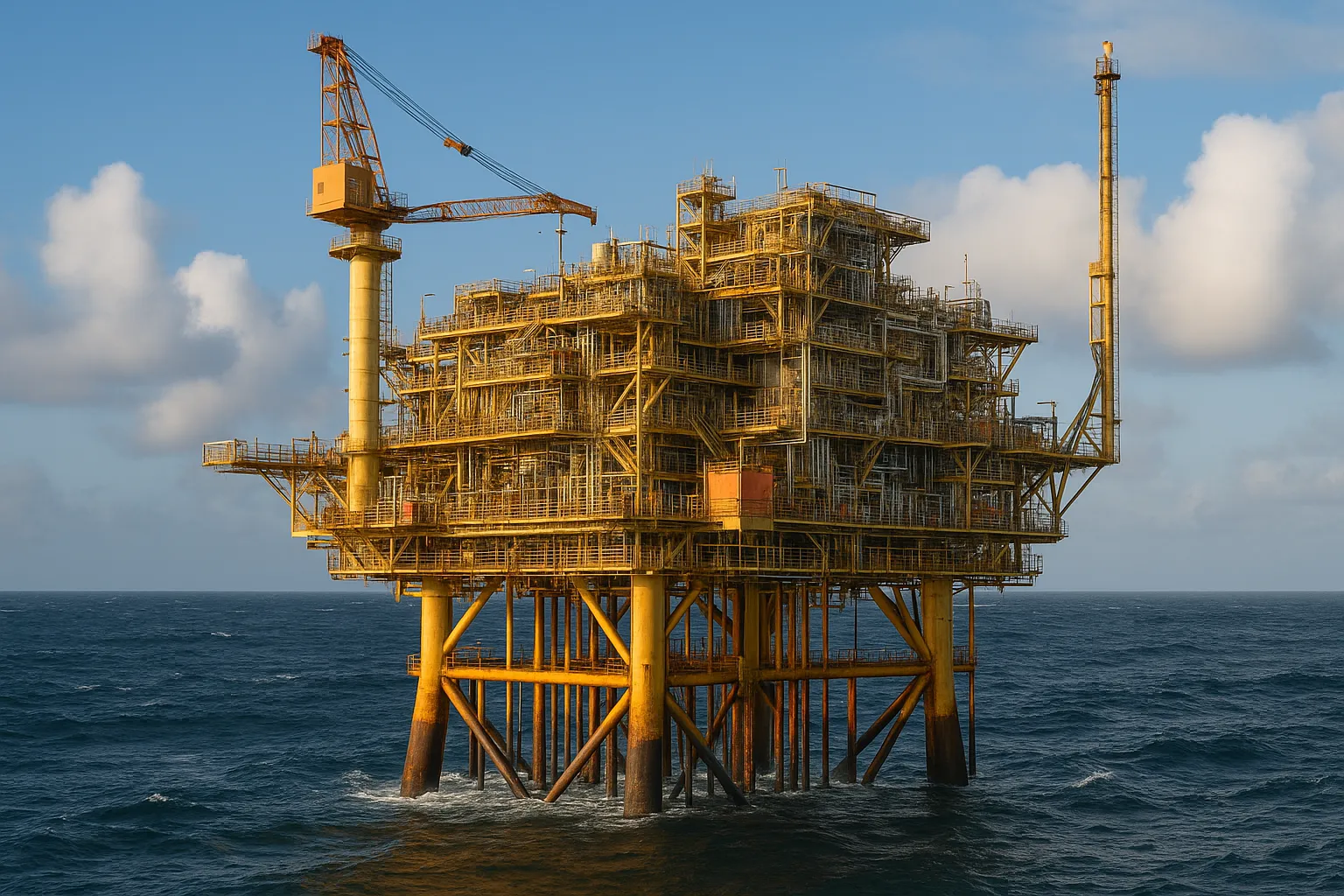
A recent oil spill at the Piper Bravo platform in the North Sea has raised significant safety concerns, prompting scrutiny from the UK’s safety regulator. On 22 February, a substantial discharge of 500 kilograms of hydraulic oil was recorded, with the Health and Safety Executive (HSE) categorising the incident as a “major” hydrocarbon release. This designation is a rare one, indicating that the incident had the potential for catastrophic outcomes had it ignited. Notably, this marks the first event of its kind in over a year, as detailed in the HSE’s latest quarterly report on hydrocarbon releases.
The circumstances surrounding the spill remain murky, as NEO Next, the operator of Piper Bravo, has not provided clarity on the cause. However, it has been noted that the spill coincided with a leak-off test that failed on the same day. Leak-off tests are essential in determining subsurface pressure within rock formations by sealing the well and injecting fluid into the wellbore, which makes the failure concerning.
The spill is part of a series of incidents that have raised alarms about safety practices at the Piper Bravo platform. Just weeks prior to the February incident, on 6 January, there was a significant release of 75 kilograms of hydrocarbon liquids, also flagged by the HSE. This earlier incident was described as “significant,” with the authority warning that it had the potential to escalate further if not properly managed. Although operations were resumed the day after the January spill, production was halted again within a week after concerns emerged regarding an emergency shutdown valve’s performance.
Emergency shutdown valves play a vital role in maintaining safety at oil platforms. They are designed to automatically shut off oil flow through pipelines during incidents of pressure anomalies. The malfunctioning of such valves has been notably linked to the catastrophic explosion at Piper Alpha in 1988, a disaster that resulted in the loss of 167 lives and led to significant regulatory changes in offshore oil and gas safety practices.
In a notable warning from the HSE last June, NEO Next was informed that some emergency shutdown valves on Piper Bravo were no longer dependable in preventing major accident hazards. Furthermore, it was indicated that several of these valves were operating slower than expected, further exacerbating safety risks associated with the platform’s operations.
As of the latest reports, Piper Bravo has been dormant since the oil spill in February, and all production activity remains on hold. Sources indicate this extended suspension of operations is likely linked to ongoing concerns about the platform’s safety infrastructure following repeated warnings and incidents.
NEO Next has opted not to comment on the situation or provide further details regarding the halt in operations or the steps being taken to address the identified safety deficiencies. The lack of transparency has led to frustration among stakeholders and raised questions about the company’s commitment to ensuring safe practices at its facilities.
Local experts have voiced their concerns, suggesting that the incidents at Piper Bravo demonstrate a troubling pattern in safety management within the oil extraction sector in the North Sea. They argue that continued vigilance and rigorous regulatory oversight are critical to preventing accidents that can lead to severe consequences for both workers and the environment.
Industry analysts have highlighted that while accidents can occur in high-risk environments like offshore oil rigs, the frequency and severity of incidents at a single facility pose serious questions about operational standards and safety culture. The series of spills and warnings at Piper Bravo could lead to increased scrutiny from regulatory bodies, as well as calls for enhanced safety protocols and measures to safeguard against future incidents.
The HSE’s categorisation of the February spill as major underlines the seriousness of the situation, highlighting both potential hazards to personnel and environmental risks associated with hydrocarbon spills. As the regulatory body continues to monitor the platform, stakeholders remain anxious about the implications of such incidents for the industry as a whole.
In summary, the recent oil spill at Piper Bravo and the subsequent investigations serve as a stark reminder of the potential dangers inherent in oil exploration and production. With safety protocols continually tested by operational challenges, the focus remains heavily on ensuring that such facilities prioritise safety and compliance. The international community, alongside local stakeholders, awaits further developments as NEO Next navigates the complexities of addressing the identified issues and restoring confidence in its operational safety practices.
Our Thoughts
The incident at the Piper Bravo platform highlights significant lapses in health and safety management that could have been avoided. Firstly, robust maintenance protocols for critical safety systems, such as emergency shutdown valves, should have been enforced. The repeated failures of these valves and the prior warnings from HSE indicate a failure to comply with Regulation 6 of the Management of Health and Safety at Work Regulations 1999, which mandates effective management of health and safety risks.
Additionally, the leak-off test failure on the day of the oil spill suggests inadequate risk assessment and preparedness. Better training and implementation of safety checks prior to operational procedures are essential to prevent similar failures. Companies should adhere to the Reporting of Injuries, Diseases and Dangerous Occurrences Regulations (RIDDOR) to ensure any significant failings are reported and addressed timely.
To prevent future incidents, a comprehensive review of all safety-critical equipment and enhanced monitoring of operational procedures would greatly mitigate risks. Continuous improvement and safety culture within the organization are crucial, reinforcing that ensuring safety should always take precedence over economic considerations.


This incident is the latest confirmation of a pattern I have been documenting for years.
Valaris – 10 Improvement Notices in 5 years. 4 fatalities documented. Two men dead on the same rig (Jason Thomas 2023, Lee Hulse 2025) – both from unsecured gratings.
Now Piper Bravo – a “major” hydrocarbon release, classified by the HSE as having the “potential for catastrophic consequences if ignited.” The same valves that contributed to the Piper Alpha disaster in 1988 – 167 men dead – are failing again 38 years later.
NEO Next has received repeated warnings. Production has been suspended since February 2026. And the operator has “opted not to comment.”
The same pattern. The same regulator. The same warnings. The same denial.
The dead cannot speak – but the data does.
How many more warnings must be issued before the industry learns?
How many more lives must be lost before accountability finally has a name?
The time for excuses is over.