














Story Highlight
– Scott Lodge installed a boiler without Gas Safe registration.
– Brian Lodge signed off work without inspecting for safety.
– Inspection revealed serious safety defects in the boiler.
– Both men received community orders for breaching regulations.
– HSE warns of dangers from unregistered gas work.
Full Story
An inquiry conducted by the Health and Safety Executive (HSE) has revealed serious violations concerning gas safety regulations by a Northwich-based individual, Scott Lodge, aged 37. The investigation determined that Lodge had improperly installed a new boiler at two residential properties without being registered with the Gas Safe Register, a legal requirement for anyone performing gas work in the UK.
Notably, Scott Lodge’s father, Brian Lodge, 67, who operates as a registered gas engineer, allegedly supported his son’s efforts by endorsing the installation. However, Brian Lodge did so without performing any safety checks or verification at the properties where the work was done. This lack of oversight raised significant concerns about the safety of the boiler installations.
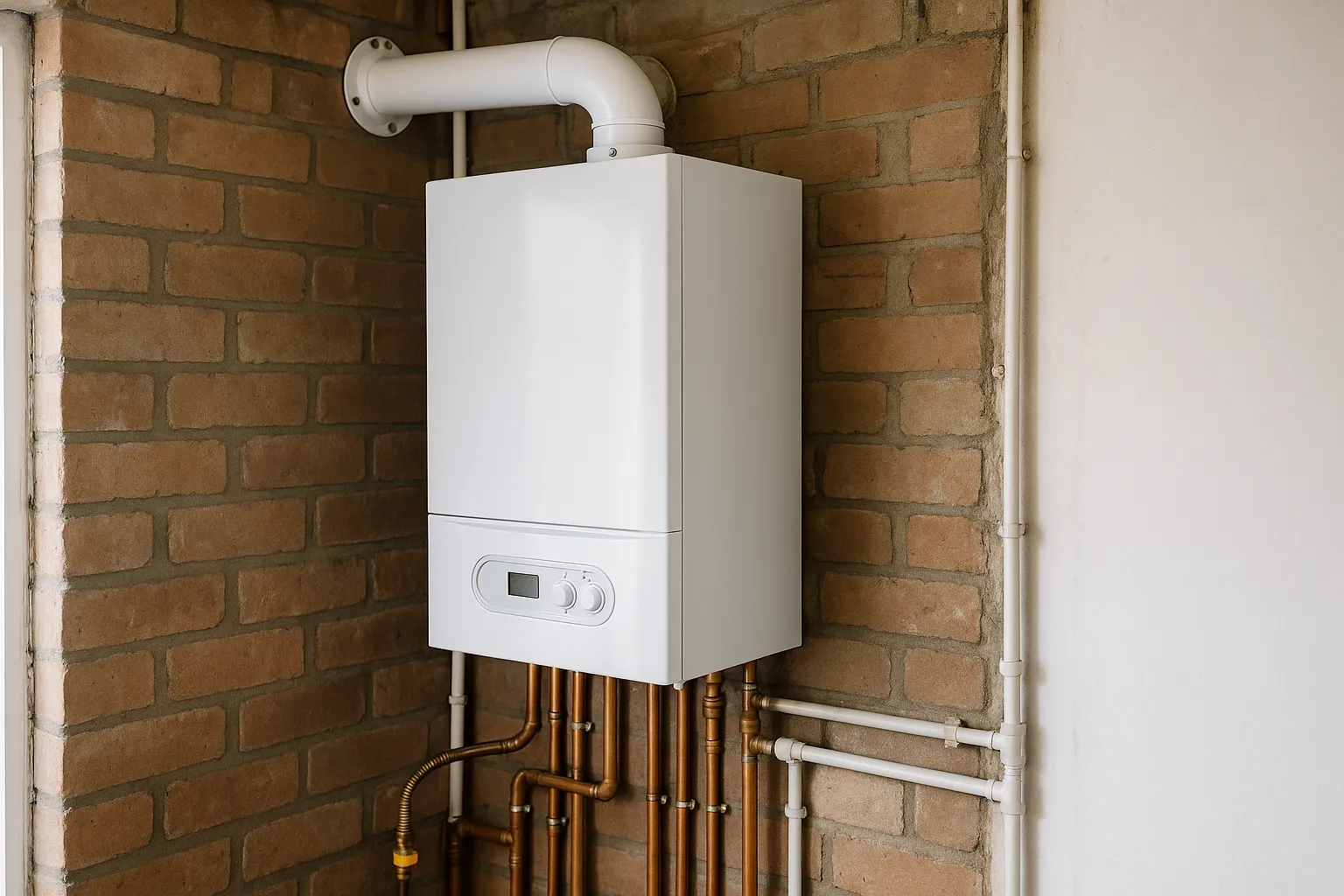
The failures came to light when one of the homeowners raised an alarm with the Gas Safe Register. In response, a qualified engineer conducted an inspection of the installations in question. The findings were alarming: the boiler was classified as ‘at risk’ and deemed dangerous due to several defects. Among the critical issues identified was inadequate support for the chimney and flue system, which posed a serious threat of carbon monoxide poisoning.
The installations in question occurred during two separate months, with one taking place in April 2022 and the other in December of the same year. The legal framework stipulates that performing gas work without the requisite registration is not only unlawful but also perilously unsafe. Such unqualified work can result in catastrophic events, including gas leaks, fires, and life-threatening explosions.
Scott Lodge, of Adlington Drive, operating under the business name SJL Heating and Plumbing, subsequently pleaded guilty to multiple breaches of the Gas Safety Regulations 1998 at Chester Magistrates’ Court on December 22. As a consequence of his actions, he received a community order that requires him to complete 200 hours of unpaid community service. Additionally, he was ordered to pay costs amounting to £2,500, a victim surcharge of £114, and £1,460 in compensation to one of the homeowners impacted by his work.
In a parallel case, Brian Lodge, residing on Merriman Avenue in Knutsford and operating under the trading name Flamecare Maintenance, also admitted guilt for violating a section of the Health and Safety at Work Act 1974. He received the same penalties as his son, which included the community order and financial penalties amounting to £2,500 in costs and £114 in victim surcharge.
During the sentencing process, magistrates took the guilty pleas of both individuals into account, signalling the severity of the infractions committed. After the court session, HSE Inspector Ian Betley addressed the gravity of the situation, stating that Scott Lodge’s actions represented a “deliberate breach of gas safety legislation.” Betley emphasised that Lodge had willingly undertaken gas work despite being aware of his lack of registration. This oversight, Betley noted, could have resulted in tragic outcomes for the homeowners involved.
Inspector Betley further condemned the actions of Brian Lodge, highlighting that he had signed off the work as safe, despite failing to carry out necessary checks or assessments. He reiterated the crucial point that all gas work must only be conducted by those who are registered with Gas Safe, urging the public to always verify the registration status of gas engineers. This verification process can be easily conducted through the Gas Safe Register’s official channels, either online or via phone, ensuring that the engineers engaged are suitably qualified.
The prosecution was initiated by enforcement lawyers from the HSE, including Sam Crockett and Karen Park, with the support of paralegal officer Stephen Grabe. Their concerted effort underscores the importance of regulatory compliance within the gas industry and serves as a stark reminder of the responsibilities shouldered by both contractors and registered professionals.
Public safety is at the forefront of concerns surrounding gas work, and the recent case has highlighted the necessary diligence required by homeowners when hiring gas engineers. The Gas Safe Register plays a pivotal role in maintaining safety standards, representing the only official list of businesses legally approved to work on gas appliances. Consumers are encouraged to exercise caution and due diligence by checking an engineer’s registration status through the Gas Safe Register’s official website, gassaferegister.co.uk, or by calling their customer service line at 0800 408 5500.
In conclusion, the legal actions taken against Scott and Brian Lodge serve as a critical reminder of the significant risks associated with unregistered gas work, as well as the potential consequences of neglecting proper safety protocols. As gas-related dangers can lead to severe repercussions, adhering to regulations is imperative to protect the well-being of individuals and families in the community.
Our Thoughts
To avoid the incident described, Scott Lodge should have ensured he was registered with the Gas Safe Register before undertaking any gas work, as stipulated by the Gas Safety (Installation and Use) Regulations 1998. Additionally, Brian Lodge, as a registered gas engineer, violated safety regulations by signing off on work he did not inspect, breaching the Health and Safety at Work Act 1974.
Key safety lessons include the necessity for adherence to legal requirements regarding gas installations and the importance of verifying the registration of individuals carrying out such work.
To prevent similar incidents, enforcement of regulatory compliance is critical; all gas work must be performed by qualified personnel and subjected to proper inspection processes. Homeowners should be educated on verifying a gas engineer’s credentials before allowing any work, as this empowers them to identify qualified professionals. Regular audits and training for registered engineers on their responsibilities could also mitigate risks associated with complacency in safety practices.