
















Story Highlight
– HSE inspectors visiting bakeries to address dust risks.
– Flour dust can trigger irreversible asthma in workers.
– Compliance with COSHH regulations is being assessed.
– Employers urged to prioritize elimination of dust exposure.
– Low-dust flour standards and guidance available for bakeries.
Full Story
Health and Safety Executive (HSE) inspectors are set to visit several large bakeries throughout Great Britain as part of a campaign aimed at protecting workers from the hazards associated with bakery ingredients, particularly flour dust and bread improver enzymes. These airborne particles pose a significant risk to respiratory health, potentially leading to sensitisation and, for some individuals, irreversible asthma symptoms. Occupational asthma, primarily linked to flour dust exposure, is a growing concern within the baking industry.
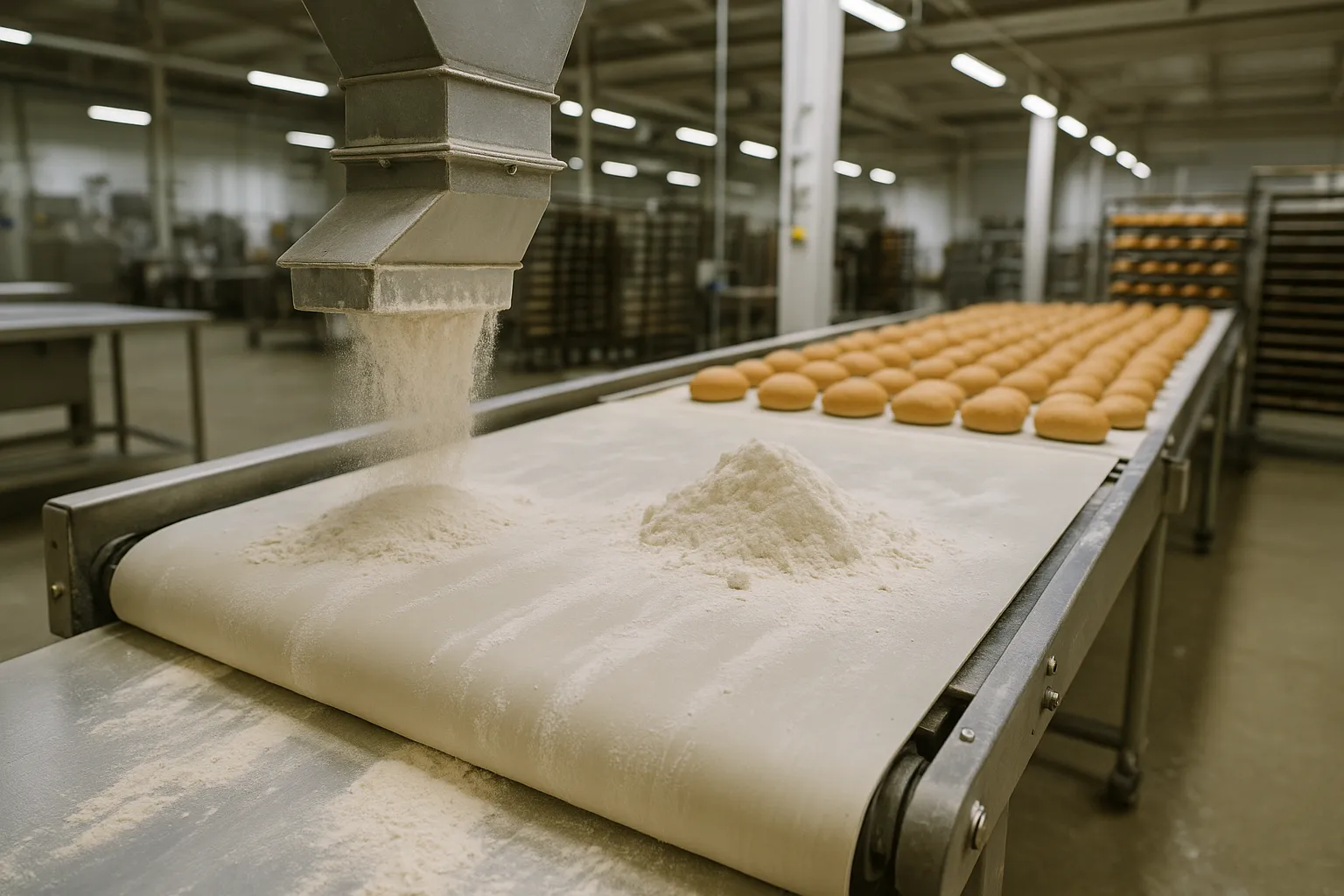
Bakery operations often generate substantial amounts of flour dust due to routine activities such as dusting during dough handling, ingredient measuring, and cleaning up flour spills. If these particles are not effectively managed, they can prevail in the air, creating a persistent hazard for employees. In response to these dangers, HSE inspectors will evaluate whether bakeries are adhering to the Control of Substances Hazardous to Health Regulations (COSHH).
During their assessments, the inspectors will scrutinise how employers are implementing a structured approach to mitigate dust exposure. This involves a hierarchy of control measures aimed at prioritising the most effective strategies for reducing risks to health. The process begins with the elimination of dusty tasks where possible. For instance, using non-stick conveyor belts instead of flour as a lubricant exemplifies a significant first step in this hierarchy.
If elimination is not feasible, the inspectors will look at the substitution of flour or other dusty materials with less harmful alternatives. Even the engineering controls that can be implemented, such as local exhaust ventilation systems, will be considered. Finally, the inspectors will evaluate whether appropriate respiratory protective equipment is available, but this should only be regarded as a last resort.
Additionally, the inspectors will assess whether bakeries have established health surveillance programmes for their staff. This monitoring is crucial in identifying early signs of occupational illnesses and ensuring that effective preventive measures are in place.
Mike Calcutt, deputy director of HSE’s Engagement and Policy Division, emphasised the importance of tackling needless exposure to airborne dust within the baking industry. “Too many workers in bakeries are suffering from unnecessary exposure to dusty ingredients including flour. When employers prevent exposure, the risk of asthma is removed. That’s the key principle we want bakeries to apply,” he stated.
He further highlighted that while ventilation systems and protective gear can help reduce risks, they should not be the primary methods employed when effective options for elimination and substitution exist. “I urge employers to carefully consider dusty processes, eliminating risk and substituting to prevent exposure by weighing the long-term benefits in sustaining prevention against the true cost of ill-health and using controls lower in the hierarchy,” Calcutt added.
In response to rising health concerns within the sector, the use of low-dust flour options is becoming recognised as an effective standard. The Federation of Bakers has also published a “Blue Book,” which provides detailed industry-specific recommendations regarding dust control and health monitoring practices for workers.
For further guidance on managing flour dust within the bakery environment, businesses can access a wealth of information available on the HSE’s official website. This resource outlines best practices and strategies designed to ensure the safety of those working in the industry.
As the HSE embarks on this initiative, its commitment to enhancing workplace safety is clear, particularly in an industry known for its rigorous demands. The upcoming inspections signify a proactive approach to ensure that bakeries maintain safe working conditions, protecting both staff health and overall workplace integrity.
Local bakery owners have expressed support for these inspections, recognising the importance of protecting their workforce. Many are reviewing their practices ahead of the inspectors’ visits, ensuring they comply with safety regulations. “It’s essential for us to create an environment where our staff can work safely,” one bakery manager stated. “Proper measures to decrease dust exposure are not just beneficial for our employees but are also good business practice.”
As the health and safety of workers in the bakery sector continues to gain attention, it is crucial to maintain focus on regulations and best practices that prioritise employee wellbeing. The engagement of businesses with HSE inspectors during this initiative will likely lead to better health outcomes and enhanced safety culture in the baking industry.
In conclusion, the focus on reducing dust exposure in bakeries not only protects the health of individual workers but also fosters a responsible industry approach. Through diligent adherence to safety regulations and a commitment to innovation in reducing airborne hazards, bakeries can ensure a safer working environment for all employees.
Our Thoughts
To avoid the health risks associated with flour dust in bakeries, employers should prioritize the effective implementation of the hierarchy of controls as outlined in the Control of Substances Hazardous to Health Regulations (COSHH). This includes eliminating or substituting dusty processes with less hazardous alternatives before resorting to engineering controls or personal protective equipment.
Key safety lessons include the necessity of conducting thorough risk assessments and having a robust health surveillance system in place to monitor workers potentially exposed to flour dust. Employers should also adhere to industry guidance, such as the Federation of Bakers’ Blue Book, to ensure compliance and best practices in managing dust exposure.
Failure to implement these controls may constitute a breach of health and safety regulations, particularly regarding employee exposure to hazardous substances and ensuring a safe working environment. Regular training and awareness programs for workers about the risks of dust and proper safety measures should be mandated to reinforce these practices and safeguard employee health.
By proactively addressing these issues and fostering a safety-conscious culture, similar incidents of occupational asthma can be significantly mitigated.