














Story Highlight
– MHRA warns about severe side effect from GLP-1 medications.
– Symptoms include severe abdominal pain and back pain.
– Approximately 1.6 million UK users of GLP-1 medications.
– Patients urged to seek urgent medical attention if symptoms arise.
– GLP-1s generally safe, but risk of pancreatitis exists.
Full Story
Patients using GLP-1 medications in the UK have been alerted to a rare but potentially serious risk associated with these drugs. The Medicines and Healthcare products Regulatory Agency (MHRA) has issued a warning for both patients and healthcare professionals regarding a possible side effect that demands immediate attention.
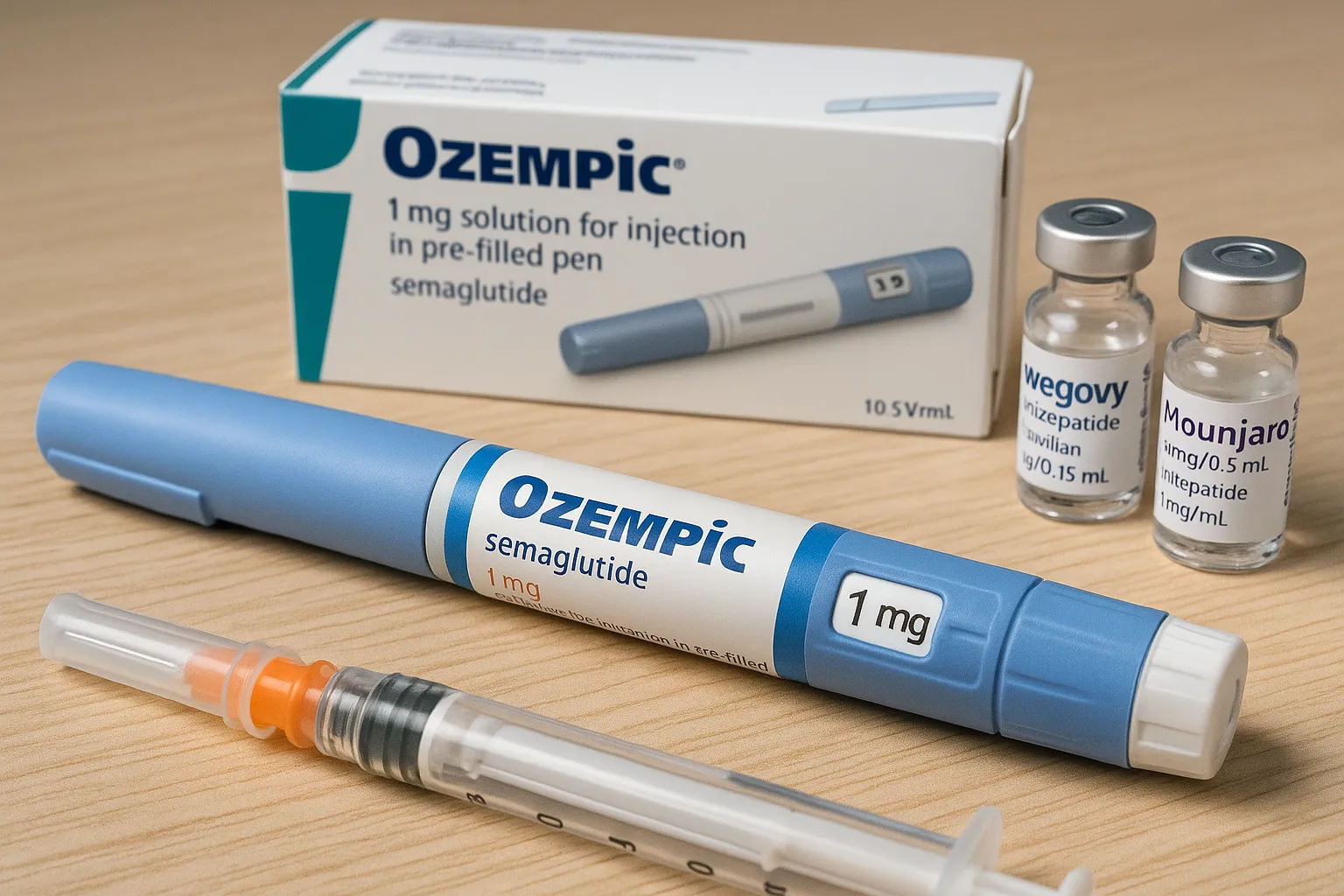
Over the last year, approximately 1.6 million individuals across the UK have utilized these injections to aid in weight management. These medicines, including Ozempic, Wegovy, and Mounjaro, have gained significant popularity for their effectiveness in treating obesity and related health conditions.
The MHRA’s recent announcement highlights the importance of vigilance when it comes to patient safety. Users of GLP-1 medications are advised to be on the lookout for symptoms such as severe, persistent pain in the abdomen and back. Such pain may be indicative of acute pancreatitis, a condition characterized by inflammation of the pancreas, which can lead to more severe health complications if not addressed promptly.
Typically, acute pancreatitis manifests with severe abdominal pain that may last for around a week and, in most cases, patients recover without further issues. However, the possibility of more dangerous complications remains a concern. According to the National Health Service (NHS), it’s crucial for patients and healthcare professionals to be aware of the signs of this condition.
Alison Cave, the Chief Safety Officer at the MHRA, reaffirmed the agency’s commitment to patient wellbeing. She stated: “Patient safety is the MHRA’s top priority and we continually monitor the safety and efficacy of all licensed medicines.” She emphasized that while GLP-1 medications are deemed safe and effective for the majority of patients, raising awareness about potential side effects is essential.
Cave noted, “For the vast majority of patients who are prescribed GLP-1s, they are safe and effective medicines which deliver significant health benefits. The risk of developing these severe side effects is very small, but it is important that patients and healthcare professionals are aware and alert to the associated symptoms.”
In light of this information, those taking GLP-1 medications are encouraged to promptly consult a healthcare professional should they experience severe abdominal pain that may extend to the back, accompanied by symptoms such as nausea and vomiting. Patients can also report these incidents through the MHRA’s Yellow Card scheme.
Wegovy and Mounjaro are specifically licensed for weight management, while Ozempic is primarily used for the treatment of diabetes, alongside its benefits in reducing cardiovascular risks. The MHRA pointed out that GLP-1 medications are typically prescribed for type 2 diabetes management, weight control, and to mitigate cardiovascular risk in individuals who have an established cardiovascular condition and a BMI of 27 kg/m² or higher.
Recent research from University College London indicates a substantial number of adults in England, Wales, and Scotland have turned to GLP-1 products like semaglutide (found in Wegovy and Ozempic) and tirzepatide (Mounjaro) for weight loss. This demonstrates a significant trend towards pharmacological approaches to weight management in the context of rising obesity rates.
While GLP-1 medications are generally recognized as safe and effective, it is crucial to acknowledge that, like all pharmaceuticals, they carry certain risks. The MHRA’s announcement serves as a reminder for patients to stay informed about the potential adverse effects, particularly in relation to acute pancreatitis.
According to the NHS, common signs of acute pancreatitis include sudden severe pain in the abdomen, nausea, vomiting, and a high fever of 38°C or more. The agency advises individuals to seek immediate medical assistance if they experience such symptoms.
Should patients be unable to access their GP right away, contacting NHS 111 for guidance is recommended. The importance of proactive healthcare cannot be overstated, particularly for those managing chronic conditions or using innovative weight-loss treatments.
As the discussion around obesity and related health challenges continues, the emphasis on patient safety remains paramount. By ensuring that patients are equipped with knowledge about their medications and associated risks, healthcare providers can foster better health outcomes and potentially mitigate serious complications down the line.
The MHRA’s latest alert underlines the importance of ongoing monitoring and research in the field of medication safety, particularly concerning medications that have become common in the treatment of obesity and diabetes. As millions navigate their health journeys with the aid of GLP-1 medications, awareness and education are critical in safeguarding against adverse effects and ensuring overall patient safety.
Our Thoughts
To improve patient safety related to GLP-1 medications and prevent severe side effects like acute pancreatitis, several measures could have been taken:
1. **Enhanced Patient Education**: Clearer communication strategies to educate patients on the potential risks and symptoms of serious side effects could enhance awareness. This could involve comprehensive pre-treatment information sessions and accessible resources detailing warning signs.
2. **Improved Monitoring**: Regular follow-ups and assessments by healthcare professionals when prescribing these medications would help in early detection of adverse effects.
3. **Stricter Labeling Requirements**: Strengthening regulations around product labeling to ensure that warning signs of serious side effects are prominently displayed could help raise awareness among both patients and healthcare providers.
4. **Reporting Mechanisms**: Encouraging more robust utilization of the Yellow Card scheme can facilitate better reporting of adverse effects, helping to dynamically update safety information.
Relevant regulations that may have been breached include the Health and Safety at Work Act 1974, as it mandates that employers ensure the safety and health of employees and others who may be affected by their work activities. Adherence to the Medicines Act 1968 and the regulations under the MHRA should ensure products are safe and effective while maintaining stringent monitoring of their effects. Preventive strategies focusing on patient education and monitoring are crucial to mitigate risks associated with GLP-1 medications.