













Story Highlight
– Experts warn against dangerous “jab hacks” for weight-loss injections.
– Nearly half of UK users try unlicensed drugs or microdosing.
– Wegovy requires prescription; buying from non-legitimate sources is risky.
– Microdosing can lead to ineffective dosing and health risks.
– Novo Nordisk emphasizes importance of obtaining medication legitimately.
Full Story
Concerns are growing over the increasing trend of individuals resorting to risky practices when it comes to weight-loss medications, according to health experts. A recent survey conducted by LloydsPharmacy Online Doctor indicates that a significant number of people using such treatments are experimenting with dangerous methods, including “microdosing” and sourcing medication from unregulated suppliers.
The survey revealed that nearly half of the 1.6 million individuals on weight-loss drugs in the UK have reported engaging in potentially harmful practices. Specifically, 32% have admitted to microdosing, where they take smaller amounts of medication than prescribed, while 28% have attempted to acquire drugs from unlicensed sellers as the costs of legitimate medication rise.
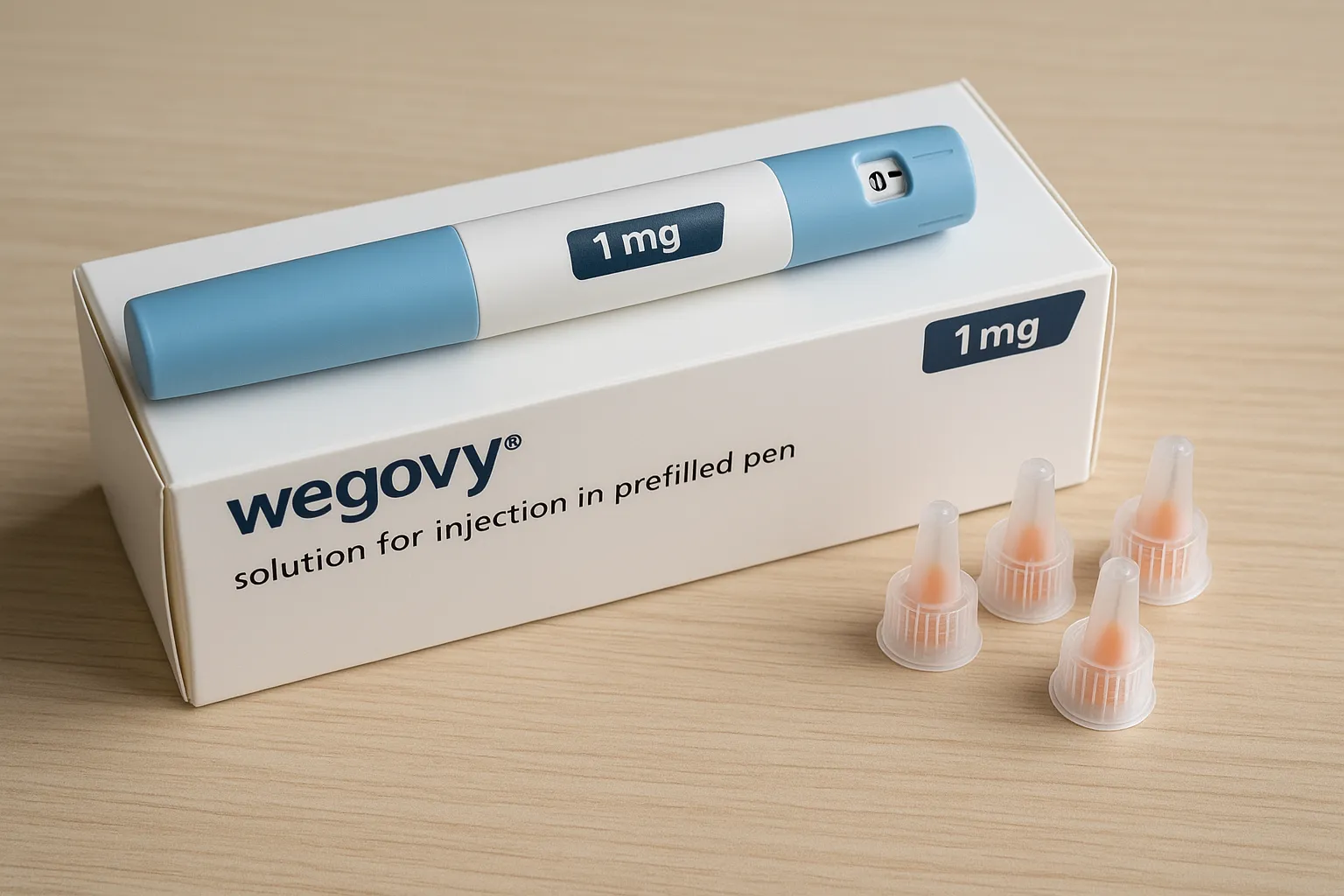
One user, who wished to remain anonymous and has been referred to as Amy, has been utilising Wegovy, a weight-loss injection, for her treatment. The 55-year-old resident of West Sussex shared with the media her experience of managing costs related to her medication. She revealed, “I pay £150 for a 1 milligram pen, which if you’re on the full dose lasts four weeks, and if you halve it, it lasts eight weeks. I have been eking it out so that a full pen can last me eight to 10, maybe even 12 weeks.”
Despite the complexities surrounding the prescription process, Amy stated that she has been buying her medication from her beauty therapist, claiming that it is difficult to access weight-loss prescriptions through the National Health Service (NHS). Under UK regulations, weight-loss medications are not available over the counter and must be prescribed by qualified healthcare professionals such as GPs or pharmacists. Amy had first received a consultation and, meeting the requisite Body Mass Index (BMI) criteria, was prescribed the drug. However, she expressed concerns regarding the laxity of these procedures, stating, “I think it should be stricter.”
Weight-loss injections, specifically GLP-1 receptor agonists like Wegovy and Mounjaro, function by mimicking hormones that manage blood sugar levels, appetite, and digestion. While these medications are designed for patients with a BMI of 40 or above in the NHS, private clinics may prescribe them to individuals with a BMI exceeding 30. Amy, who initially began with a low dose, successfully lost weight but has since become apprehensive about discontinuing the treatment. “I haven’t actually stopped, I kept going, and I’m almost scared to come off it. I feel that I probably might be on it for good,” she remarked, noting that her reliance on the medication has increased over time.
Despite some individuals choosing to microdose, Dr Kieran Seyan, the chief medical officer at LloydsPharmacy Online Doctor, has expressed serious concerns regarding this practice. He warned that engaging in such methods could lead to dangerous outcomes, including incorrect dosages and the potential for using expired or counterfeit medications. Dr Seyan emphasized that “medication from a source that is not appropriately regulated increases the risk of incorrect dosing, expired or improperly stored medication, and in some cases, counterfeit products.”
Moreover, the implications of reusing needles, as Amy has mentioned doing in order to stretch her supplies, pose significant risks, according to Leyla Hanbeck, chief executive of the Independent Pharmacies Association. She highlighted the dangers of bacterial contamination associated with non-sterile needles, warning that “there is a significant risk for bacterial contamination as a used needle is no longer sterile and can infect the body with bacteria.” Using a needle multiple times also raises the possibility of administering inaccurate doses if medication residue remains.
The Medicines and Healthcare products Regulatory Agency (MHRA) has taken a firm stance, underscoring that Wegovy is a prescription-only medication and should only be obtained from registered pharmacies with a legitimate healthcare provider’s guidance. “Sourcing weight-loss medicines from unregulated suppliers significantly increases the risk of getting a product which is either falsified or not approved for use,” an MHRA spokesperson noted. They further emphasised that products acquired through these illicit channels might not meet safety standards and could expose patients to harmful ingredients.
Novo Nordisk, the manufacturer of Wegovy, has reiterated the importance of acquiring such medications through accredited healthcare channels. A spokesperson for the company remarked, “At Novo Nordisk, patient safety is our top priority. Obtaining GLP-1 medicines without a prescription through non-legitimate routes poses a direct danger to health.” They urged patients to consult healthcare professionals and obtain medications through recognised, safe means. In the event that someone suspects they have received a counterfeit product, they should seek medical advice immediately.
The survey findings raise important questions regarding the accessibility of weight-loss medications, particularly in an environment where rising costs drive individuals towards unregulated sources. Health experts are recognising that the motivations behind microdosing and sourcing medications from dubious suppliers stem from both financial constraints and a perceived inadequacy of existing healthcare systems to meet the demand for prescribed weight-loss treatments.
As experts continue to address these issues, it is clear that there are significant risks associated with the misuse of weight-loss drugs. The call for tighter regulations and better access to legitimate treatment options is stronger than ever, highlighting the need for a comprehensive approach in addressing the growing reliance on unregulated sources for weight-loss medications. Individuals are being encouraged to prioritize their health and safety by discussing their treatment options with qualified healthcare professionals and avoiding unregulated avenues for medication.
Our Thoughts
To prevent the issues highlighted in the article, several measures could have been implemented. First, stricter regulations must be enforced regarding the prescription and distribution of weight-loss medications, ensuring they are only dispensed through licensed healthcare professionals. This aligns with the Medicines Act 1968 and regulations set by the Medicines and Healthcare products Regulatory Agency (MHRA).
Additionally, public awareness campaigns could educate patients about the dangers of sourcing medication from unregulated suppliers, emphasizing the risks of microdosing and the importance of using new, sterile needles for each injection. The Health and Safety at Work Act 1974 mandates ensuring the health and safety of individuals in the workplace, which includes providing clear guidance on the safe use of medical products.
Moreover, healthcare providers should conduct thorough consultations and assessments to ensure patients understand the risks associated with improper dosing and sourcing medications. Improving access to legitimate medical services, particularly in the context of weight management, could reduce the temptation to seek alternative and potentially harmful solutions. Overall, enhancing regulatory measures and patient education could significantly mitigate the risk of unsafe practices in this domain.