











Story Highlight
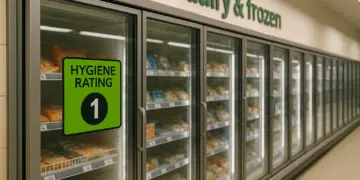
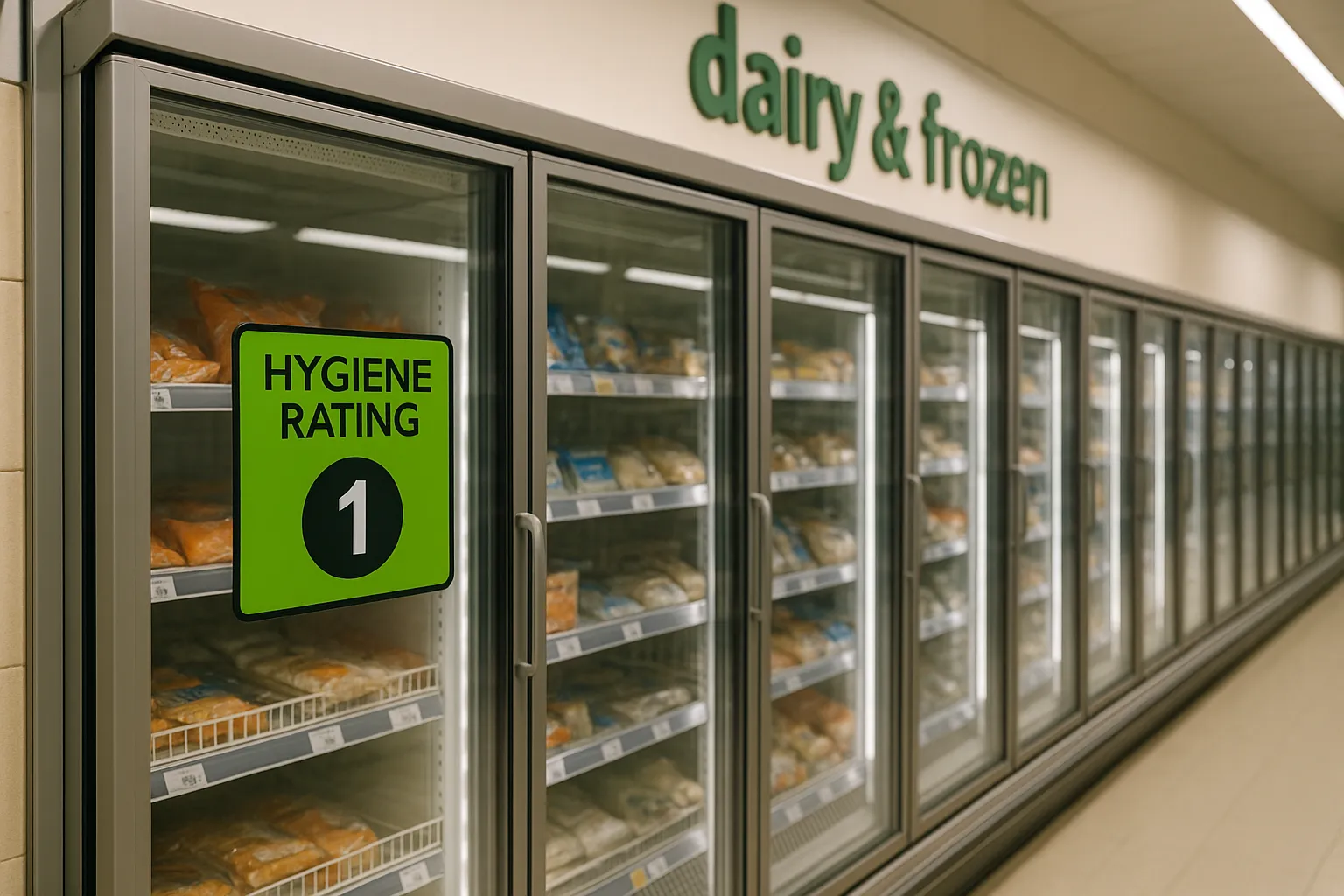
– Morrisons Cheltenham has a one-star hygiene rating.
– Major improvements needed for food safety measures.
– Customer complained about defrosted frozen food quality.
– Freezers found above safe temperature for food storage.
– Morrisons claims to have taken immediate corrective action.
Full Story
A prominent supermarket has been assigned a concerning one-star hygiene rating for its Cheltenham branch, signalling the need for significant enhancements in food safety and hygiene practices. The Morrisons store located on Caernarvon Road underwent its last evaluation in January 2026, and the findings released by the Food Standards Agency (FSA) highlight alarming deficiencies in its food handling procedures.
The scrutiny revealed that the supermarket must implement major improvements in several key areas, including food preparation, cooking, reheating, cooling, and storage—all vital components of food safety. Additionally, the FSA report indicated that the establishment’s food safety management systems require considerable strengthening to ensure that the food offered to customers is safe and that all staff members are adequately informed about food safety protocols.
Despite the critical hygiene rating, the FSA noted that the overall cleanliness and condition of the supermarket’s building and facilities were “generally satisfactory.” The inspection was prompted by a report from a concerned shopper who raised issues to the Environmental Health Officer after discovering that frozen items appeared to be inappropriately stored during her visit to the store.
The customer—who preferred to remain anonymous—described her disturbing experience while searching for frozen chips, stating, “I picked up a packet and the whole bag was soft,” while noting that the freezer itself felt warm. She reported that the condition of the products on the top shelf of the freezer was equally alarming.
In her effort to address her concerns, the shopper reported her findings to a staff member at Morrisons but felt that her complaint was met with a dismissive attitude. “I worry they pose a health risk to customers, as we don’t know how long these have been stored in warm temperatures,” she expressed.
According to UK regulations, frozen food products must be kept at a temperature of -18°C or lower to avoid compromising food safety. However, inspectors discovered that one of the freezers at the Cheltenham Morrisons was operating at a temperature of -0.4°C, an unacceptable deviation. Furthermore, frozen cod fillets were recorded at -1.1°C. These alarming findings were disclosed following a Freedom of Information request made by The Grocer, as reported by The Sun.
The poor condition of the frozen food prompted the inspection team to declare that the branch could “pose a risk to human health,” leading to the removal and disposal of 431 items, which included popular products like 48 packets of Morrisons Savers Chicken Nuggets and 33 bags of Young’s Flipper Dippers.
Responding to the damning revelations, a Morrisons spokesperson conveyed that the supermarket takes food hygiene very seriously. The representative emphasized that immediate actions were taken to rectify the issues identified during the inspection. “As soon as we became aware of the rating, we took immediate action to address and resolve the issues raised,” the spokesperson confirmed. They added that the supermarket is proactively working towards a reassessment of its hygiene rating.
Residents of Cheltenham have expressed concern regarding the implications of such hygiene issues at a major food retailer within the community. This situation raises broader questions about food safety standards in the retail sector and the effectiveness of inspection processes.
Local food safety expert and public health advocate, Dr. Jane Hargrove, emphasized the importance of stringent compliance with food safety regulations. “Every establishment that serves food has a responsibility to ensure that the food is stored correctly,” she stated. “Failure to adhere to these standards not only jeopardizes customers’ health but also undermines public trust in the food system.”
The incident at Morrisons comes amidst heightened scrutiny of food retailers following a series of food safety scandals across the UK. Many consumers are increasingly demanding greater transparency about how their food is handled and stored.
“The health of the community should always come first,” said Lucy Palmer, a local resident. “When we shop, we expect our food to uphold high safety standards. Seeing a major supermarket struggle with such basic requirements is troubling.”
As Morrisons navigates this challenging episode, the focus remains on restoring consumer confidence and ensuring the safety of food products available to shoppers. The outcome of any future inspection will be keenly awaited, as both the store and its patrons reassess their relationship with food security in the wake of these revelations.
For the time being, the Cheltenham branch aims to rectify its food handling procedures and uphold the necessary standards required to achieve a better report in the next evaluation by the Food Standards Agency. Morrisons’ quick turnaround response illustrates a commitment toward improving their service, though the true measure of their resolve will be seen in the pasturization of safer food practices moving forward.
Our Thoughts
The situation at Morrisons in Cheltenham reflects significant breaches of UK food safety regulations, notably the Food Safety and Hygiene (England) Regulations 2013. Key safety lessons include the necessity for strict adherence to temperature controls for frozen food storage, which must be maintained at -18°C or lower to prevent bacterial growth and ensure food safety. Regular checks and monitoring systems could have identified the malfunctioning freezer sooner, thereby preventing the risk to public health.
Staff training on food safety practices, as stipulated under the Food Safety Act 1990, appears to be lacking. Employees should be equipped with adequate knowledge about hygiene and proper handling of food products, which would empower them to react appropriately to customer concerns.
Improved communication channels for customer feedback could also facilitate quicker resolutions of potential safety issues, potentially preventing health risks from reaching consumers. In summary, a robust food safety management system, consistent equipment monitoring, and comprehensive staff training are essential to prevent similar incidents in the future.