













Story Highlight
– Somers Forge fined £750,000 after worker’s fatal accident.
– Nick Hardiman, 54, entangled in lathe’s moving parts.
– Emergency services responded but Hardiman died later.
– Family calls death ‘entirely preventable’; grief expressed.
– HSE found safety violations; company pleaded guilty.
Full Story
A West Midlands manufacturing firm has been penalised £750,000 following a tragic incident that led to the death of an employee who became ensnared in a lathe. The incident, which occurred at Somers Forge Limited in Dudley, involved 54-year-old Nick Hardiman, who was working on the machine when he was caught in its hazardous moving parts.
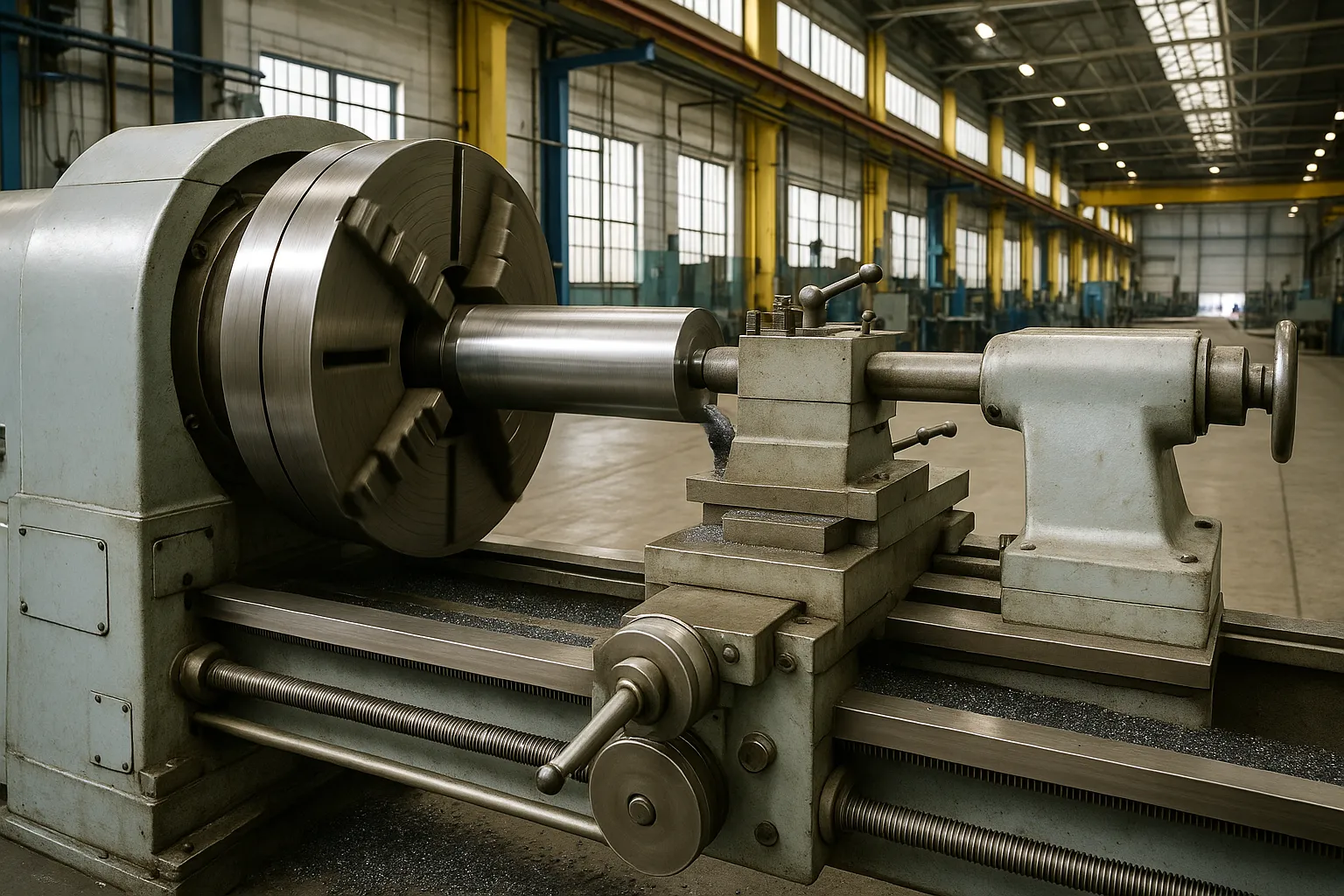
The lathe, measuring 65 feet in length, is designed to rotate materials while a sharp tool shapes those materials into smooth forms. On the day of the incident, Mr Hardiman was using a handheld emery cloth to finish a rotating metal component when he suffered a fatal injury after becoming entangled.
Despite the rapid response of emergency services, Mr Hardiman sadly succumbed to his injuries later that day, leading to an investigation by the Health and Safety Executive (HSE). The investigation, which was initiated shortly after the incident, uncovered serious shortcomings in safety practices at Somers Forge Limited.
On 18 February 2026, the case was brought before Walsall Magistrates’ Court, where the firm was fined and ordered to cover additional costs amounting to £38,314. The court’s findings revealed that the company had not adhered to essential safety protocols designed to protect workers from the dangers associated with operating heavy machinery.
Mr Hardiman’s family expressed their heartbreak over the loss, describing him as someone who had “everything to live for.” His partner, Melanie Hardiman, emotionally stated, “We used to have a life, now I just exist.” She spoke of the irreplaceable void left in her life, reflecting on the everyday moments they shared.
His father, Michael Hardiman, conveyed the deep pride the family felt for Nick but acknowledged the emotional pain associated with discussing his loss. “We think about Nick every single day,” he shared. Similarly, his siblings—Robert, Glenis, Lorraine, and David—voiced their unwavering devastation at how a normal workday could turn into a tragedy, stating that they could not comprehend how someone could leave for work and not return.
The incident occurred on December 8, 2023, prompting the HSE to act with urgency. Their findings highlighted that Somers Forge failed to implement critical safety measures, which included a ban on the use of handheld emery cloths on lathes and restrictions preventing access to the lathe’s moving parts. Additionally, the company did not adequately assess the risks associated with the lathe nor establish proper operating procedures to ensure the safety of its workers.
In light of the tragic event, the HSE had previously issued guidelines regarding the use of emery cloths on metalworking lathes, making it explicitly clear that applying such tools by hand to rotating components is inherently dangerous. Such actions pose the risk of operators becoming ensnared in the machinery, leading to severe injuries—including lacerations, dislocations, amputations, and even fatalities.
Inspector Sophie Neale of the HSE commented on the case, labelling it “entirely preventable,” and emphasised the essential responsibility employers have to safeguard their employees from foreseeable hazards associated with machinery. “Employers must ensure that safe systems of work are in place,” she stated, offering condolences to Mr Hardiman’s family and friends.
The outcome of this case serves as a stark reminder of the importance of maintaining strict adherence to health and safety regulations within the workplace. The tragic loss of Nick Hardiman not only highlights the individual impact such accidents have on families but also underlines the necessity for companies to foster a culture of safety and compliance. Implementing comprehensive risk assessment procedures and abiding by established safety protocols could significantly reduce the likelihood of similar incidents in the future.
Somers Forge’s failure to do so has resulted in both financial and reputational repercussions, with the hefty fine reflecting the gravity of their negligence. The emotional fallout of this tragedy will extend far beyond the courtroom, as the Hardiman family continues to grapple with the loss of a beloved member.
As the manufacturing sector faces high demands for efficiency and production, it is crucial for businesses to ensure that operational pressures do not compromise worker safety. This incident serves as a poignant reminder that at the heart of every successful business are the individuals who risk their lives every day to contribute to its success.
In a broader context, the case also raises questions about the adequacy of current health and safety regulations in safeguarding workers. The tragedy underscores the vital role that ongoing training and awareness initiatives play in reinforcing safety practices within the industry, ultimately aiming to prevent future tragedies like that which befell Nick Hardiman.
Our Thoughts
The tragic death of Nick Hardiman at Somers Forge Limited highlights critical failings in health and safety practices. To prevent such incidents, the company could have adhered to several key safety measures, including implementing a prohibition on the use of handheld tools such as emery cloth while operating the lathe, as the HSE explicitly advises against this practice due to its associated risks.
Furthermore, a thorough risk assessment compliant with Regulation 3 of the Management of Health and Safety at Work Regulations 1999 should have been conducted. This would have identified the hazards posed by the lathe and ensured the establishment of safe operating procedures, as well as the provision of appropriate personal protective equipment that does not expose the operator to entanglement risks.
Somers Forge Limited’s failure to execute these safety protocols constitutes a breach of the Health and Safety at Work etc. Act 1974, specifically Section 2(1), which mandates employers to ensure the health and safety of their workers. To prevent similar incidents, companies must prioritize the enforcement of safety guidelines, conduct regular training, and foster a culture of safety to safeguard employees in high-risk environments.