













Story Highlight
– Lab-grown foie gras and cell-based meats coming soon.
– Edible insects sold as whole or powdered ingredients.
– Vertical farming provides year-round crops in controlled environments.
– Future innovations include 3D-printed foods and gas fermentation.
– Safety assessments crucial for new food technologies and allergens.
Full Story
Innovative food technologies are poised to revolutionise the dining experience in the UK over the next 15 years, according to a new report issued by the Food Standards Agency (FSA) and Food Standards Scotland (FSS). This report emphasises the potential future availability of lab-grown products, the integration of edible insects into diets, and the possibility of 3D-printed food items becoming mainstream by 2035.
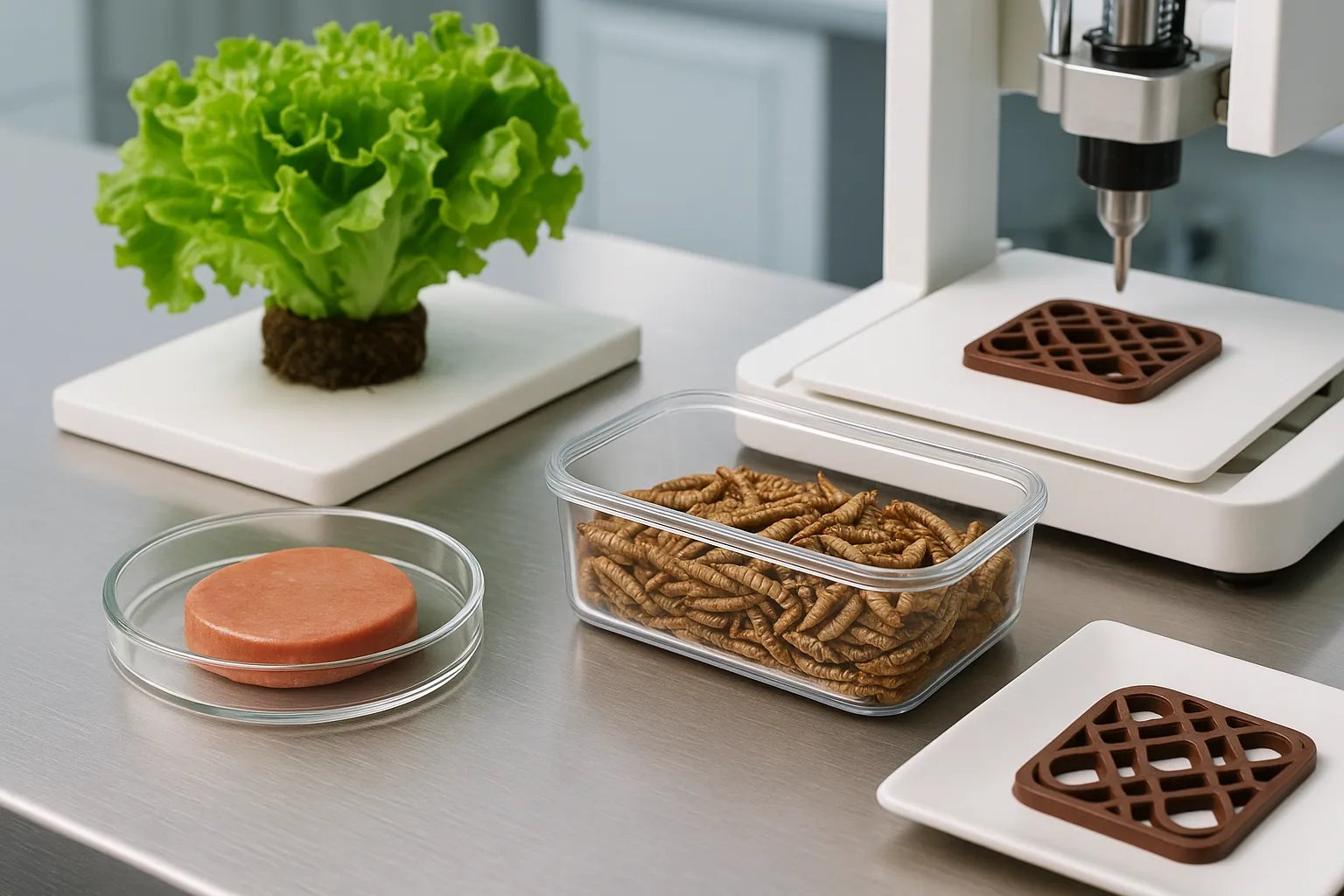
Among the advancements highlighted in the report is the emergence of lab-cultivated foods. These creations, which include alternatives to traditional meats such as steak and duck foie gras, are currently being evaluated for safety by regulatory authorities. Two of these products are already undergoing rigorous risk assessments, with additional items in the pipeline preparing for similar scrutiny. The technological shift represents a significant change in how food might be produced and consumed in the near future.
In parallel to the development of lab-grown meats, edible insects are also making their way into the UK food scene. These insects can be marketed either as whole entities or as processed ingredients, such as protein-rich powders that can enhance traditional dishes. Presently, four species of insects are available for both human consumption and as animal feed, albeit under temporary measures while they complete required safety evaluations. Authorities have warned that individuals with shellfish allergies may experience similar reactions to insect-based products, as allergenic proteins found in crustaceans can also exist in certain edible insects. This aspect will be a crucial element in the ongoing safety assessments for these novel food categories.
Another significant innovation impacting the future of food production is the method of vertical farming. This technique allows for the cultivation of crops—like lettuce—within carefully controlled indoor environments. Nutrient delivery is precisely calibrated, making it possible to harvest fresh produce throughout the year. Vertical farming is gaining traction and is already becoming a familiar sight in various urban areas as demand for local and sustainable food sources increases.
Looking further ahead, the report suggests that the UK could see even more groundbreaking technologies on the horizon. Concepts discussed include using plants engineered to serve as miniature factories, producing specific food ingredients. Additionally, “gas fermentation” technology could see useful microbes transform captured carbon dioxide into single-cell proteins, presenting an innovative solution for food production.
Equally intriguing is the exploration of 3D-printed foods, a technology that remains largely theoretical at present. This method would enable manufacturers to construct food items, such as chocolate or mashed potatoes, layer by layer using edible ingredients dispensed from a printer. While mass production of such items is not anticipated in the immediate future—within the next five to ten years—it opens up possibilities for creating personalised food products tailored to specific dietary needs. For instance, this could benefit those with difficulty swallowing due to medical conditions.
Dr Thomas Vincent, who serves as the deputy director of innovation at the FSA, underscores the importance of a regulatory framework that adapts to the evolving food landscape. “The food system is always evolving, and as a regulator, we need to keep pace with that and keep pace with the industry so that we can help ensure that new products are safe,” he stated. This sentiment highlights the necessity for new food production methods to adhere to established safety and hygiene protocols, particularly as they may potentially replace conventional meats.
In light of growing apprehension regarding the long-term health impacts of ultra-processed foods, Dr Vincent elaborated on the thoroughness of the safety assessments conducted for novel products. “What we do is a really thorough, holistic safety assessment that looks at things like allergenicity, but also at toxicology, at microbial contamination of foods,” he explained. The assessments aim to address both acute risks—immediate reactions upon consumption—and chronic risks, which encompass potential long-term health consequences, including the presence of carcinogens.
As the food industry continues to innovate, experts recognize that it’s vital to consider not just the ingredients within these new products but also the processes employed in their creation. Each step, from development through to packaging, must meet rigorous safety standards to ensure consumer health and trust.
The recommendations and insights shared in the report serve to indicate a shift towards more sustainable, alternative sources of food that could reshape our palates in the years to come. As lab-grown meats, edible insects, and advanced agricultural methods make their way into the mainstream, consumers can expect a transformative impact not only on individual diets but on the broader food system as well. In navigating these changes, it remains imperative that rigorous safety measures are in place, ensuring that innovations benefit society without compromising health or safety standards.
Our Thoughts
The article discusses the emergence of novel food technologies in the UK, including lab-grown products and edible insects, and highlights the rigorous safety assessments required by the Food Standards Agency (FSA) and Food Standards Scotland (FSS). To avoid potential issues associated with these innovations, it is crucial to enhance communication and education regarding food allergies, particularly concerning cross-reactivity between edible insects and shellfish allergens.
Key safety lessons include the importance of thorough allergen assessments during the product development phase and ensuring compliance with the Food Safety Act 1990, which mandates that food sold must be safe for consumption. Additionally, the regulation on the General Food Law Regulation (EC) No. 178/2002 emphasizes the traceability and safety of food products throughout the supply chain.
Preventive measures could include increased collaboration between innovators and regulatory bodies to establish clear safety guidelines for new food technologies, as well as public awareness campaigns to inform consumers about potential allergenic reactions. This proactive approach would help safeguard public health while embracing emerging food technologies.