














Story Highlight
– Leeds manufacturer fined £16,000 for safety breaches.
– Two workers lost fingers in separate machinery incidents.
– Inadequate guarding on machines led to accidents.
– Insufficient training and work systems identified by HSE.
– Victims left with lifelong injuries from avoidable incidents.
Full Story
A Leeds-based plastic products manufacturer has faced legal consequences following two severe workplace accidents that resulted in employees suffering life-altering injuries. Commercial Lines Ltd, which operates under the name HLN Supplies, admitted to multiple breaches of health and safety regulations, leading to a fine of £16,000 imposed by Leeds Magistrates Court.
The incidents in question, which occurred just ten days apart, involved two workers who sustained serious injuries while operating machinery at the company’s premises on Upper Accommodation Road. The first incident took place on 12 August 2024, when 61-year-old Angela Morrison, who is a grandmother of eight, sustained a significant injury while attempting to clear a blockage on a sanding machine. The injury necessitated the amputation of part of her finger.
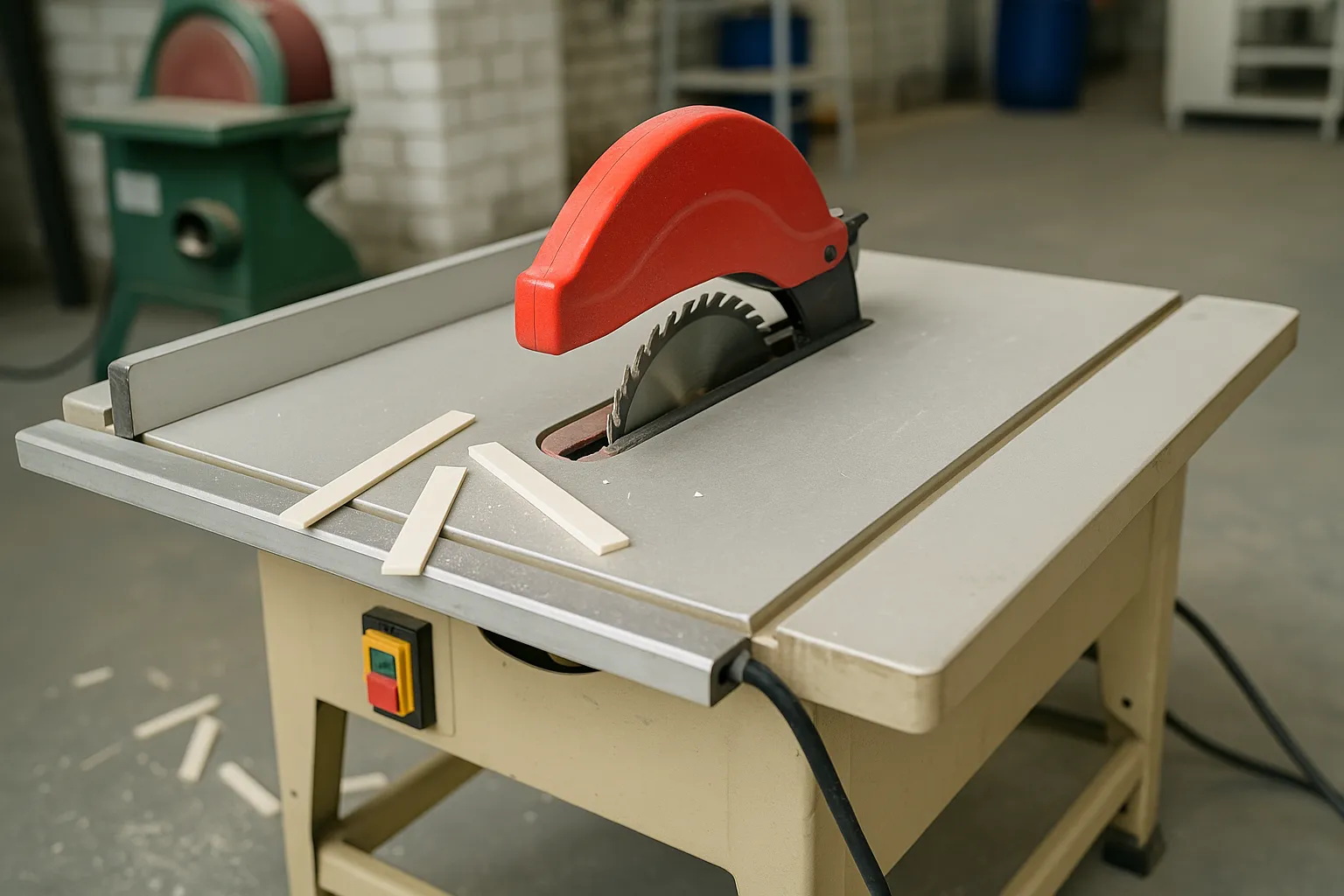
Shortly thereafter, in another troubling episode, a 57-year-old male worker lost part of his index finger while using a table saw to trim plastic strips. During this task, his left hand came into contact with the saw blade, resulting in a devastating injury.
The Health and Safety Executive (HSE), which brought the prosecution against the firm, highlighted serious lapses in safety measures that contributed to both incidents. Inspectors pointed out that adequate protective guarding was not in place on the sanding machine, leaving hazardous components exposed and accessible to workers. Additionally, the training provided for the operation of the table saw was deemed insufficient, with the absence of established safe working protocols when handling smaller materials.
Angela Morrison expressed the profound impact the accident has had on her life, stating that simple tasks have become more complicated following her injury. “You don’t notice it until you go and do something and then you realise you can’t,” she explained. “Little things like opening the oven or getting out change in my purse.” Reflecting on the traumatic experience, she lamented the inability to reverse the events that led to her injuries, wishing she could turn back the clock on that day.
The HSE’s Gavin Carruthers remarked on the preventability of both incidents, underscoring the enduring consequences faced by the injured employees. “Both workers have been left with injuries that will stay with them for the rest of their lives,” Carruthers stated. He placed particular emphasis on the significance of Morrison’s injury, noting that she had been a valued member of the workforce for nearly thirty years. The chair of her family, the tragedy of her situation contrasts sharply with her long-standing commitment to the company.
In addition to the penalty, HLN Supplies was required to cover a victim surcharge of £2,000 along with legal costs amounting to £6,534.85, adding further financial repercussions to the company’s operational difficulties.
The HSE has reiterated the importance of stringent safety measures in workplaces to prevent similar accidents from occurring in the future. The agency is committed to enforcing compliance with health and safety regulations, focusing on protecting workers from preventable harm.
Local authorities and safety advocates are now calling for enhanced monitoring and regular audits of workplaces to ensure that safety standards are upheld. Such measures are viewed as vital not only for employee welfare but also for the integrity of local businesses that must operate within legal and ethical boundaries.
Morrison’s plight captures a broader narrative about the risks faced by workers in roles that involve physical labour and machinery. As her experiences reveal, a moment of negligence can lead to lifelong challenges, prompting questions about the adequacy of existing worker protection laws. Advocacy groups urge businesses to prioritise comprehensive training and implement rigorous safety protocols, as these practices play a crucial role in safeguarding employees from potential hazards.
Looking ahead, the incident raises critical discussions about the responsibilities of employers in maintaining safe working environments. The consequences of inadequate safety measures not only affect the individual workers directly involved but also resonate throughout their families and the wider community, prompting a collective call for change.
Moving forward, stakeholders, including local government authorities, labour organisations, and safety experts, will need to collaborate to improve workplace safety standards and ensure that tragedies like this do not repeat themselves. As the debate continues, the voices of those affected, like Angela Morrison, highlight the urgent need for reforms that protect the health and dignity of all workers.
Our Thoughts
The incidents at Commercial Lines Ltd highlight significant failings in health and safety practices that led to serious injuries for two workers. Key safety lessons include the need for adequate machine guarding and the importance of training in safe work systems. Specifically, the company failed to comply with the Provision and Use of Work Equipment Regulations (PUWER) 1998, which mandates that machinery must be properly maintained and safeguarded.
To prevent similar incidents, the company should have implemented comprehensive risk assessments and established clear safe work procedures for operating machinery, particularly when handling small materials. Ensuring thorough training for employees on the risks associated with specific equipment is also critical under the Management of Health and Safety at Work Regulations 1999.
Regular safety audits and a culture of reporting hazards can further reinforce the importance of adherence to safety regulations, ultimately protecting workers from avoidable injuries. These measures could have significantly mitigated the risk and preserved the well-being of the employees involved.