














Story Highlight
– Paralympian Abdullah Hayayei killed by collapsing throwing cage.
– UK Athletics admits corporate manslaughter in February.
– Cage lacked stability due to missing base plates.
– Widow expresses grief, children now financially reliant on brother.
– UK Athletics faces significant fines following the incident.
Full Story
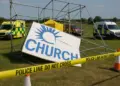
UK Athletics faces significant penalties following a tragic incident that resulted in the death of Paralympian Abdullah Hayayei. The 36-year-old shot-putter from the United Arab Emirates was fatally injured during a training session at Newham Leisure Centre in east London on July 11, 2017. The incident has cast a spotlight on safety standards within the organisation.
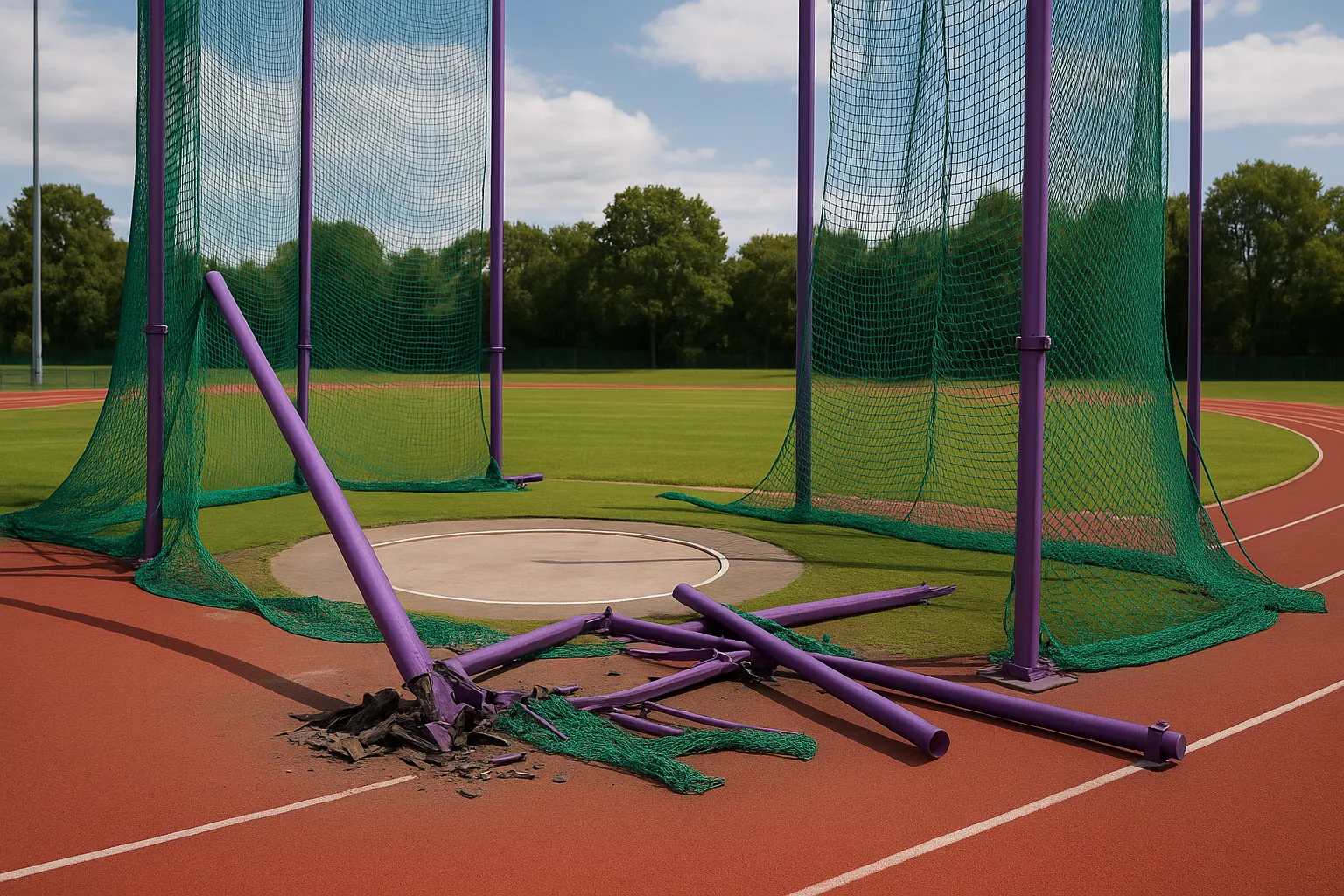
Mr Hayayei’s death occurred when a metal throwing cage fell on him, reportedly due to poor structural integrity exacerbated by windy conditions. The court was informed that the throwing cage had been faulty, having been purchased for the London 2012 Olympics and later donated to UK Athletics. In the aftermath, the organisation has been accused of corporate manslaughter and gross negligence.
The athlete was preparing to compete in the F34 category at the World Paralympic Athletics Championships when the cage collapsed. His coach, Ayman Ibrahim, and assistant, Abdula Shaik, were nearby when the equipment failed. Following the incident, despite attempts to resuscitate him, Mr Hayayei was pronounced dead at the scene. At that time, he left behind a family of five children, with the youngest just two years old.
In light of the tragic events, UK Athletics has admitted to failing its duty of care under health and safety legislation. While the governing body has been accused of corporate manslaughter, it has denied gross negligence manslaughter. Keith Davies, who held a senior position within the organisation, acknowledged accountability under the Health and Safety at Work Act, particularly regarding a lack of reasonable care.
The prosecution has laid out a case indicating that the collapse should have been avoided with proper safeguarding measures in place. The defence argued for a minimum financial penalty, citing UK Athletics’ declining revenue since 2017, presenting a figure of £350,000 as an appropriate fine—an amount they claim could drastically impact the organisation’s finances.
Mr Hayayei’s family continues to grapple with the emotional and financial repercussions of his unexpected death. His widow, Badria Al-Yahyaei, expressed deep sorrow over the loss, stating that her husband was a devoted family man who ensured their well-being despite his disabilities. She described the profound impact his absence has had on their children, who relied on his guidance and support.
The legal proceedings have revealed significant lapses in safety protocols related to the equipment used in training. Investigators uncovered that the throwing cage was missing vital components, including steel base plates that are essential for stabilisation. Expert testimony indicated that the wind conditions present at the time of the collapse, described as being ‘moderate’, should not have caused the cage to fail if it had been assembled correctly.
Mr Ibrahim recounted the moments leading up to the fatal incident, revealing the devastating impact it had on him and others present. He highlighted the shock and disbelief following Mr Hayayei’s death, as he had been anticipating his success in the forthcoming championships.
Commenting on the broader implications, Ms Al-Yahyaei lamented the negligence that contributed to her husband’s death, insisting that proper safety measures could have prevented the tragedy. She underscored the family’s ongoing struggle to adjust to a life without a husband and father, asserting that their financial situation has drastically deteriorated since his passing.
Furthermore, the investigation led by the Metropolitan Police, in collaboration with health and safety officials, encompassed a detailed analysis involving over 1,500 documents and statements from approximately 80 witnesses. The evidence unveiled a pattern of neglect regarding the maintenance and assembly of competition equipment, calling into question the operational standards upheld by UK Athletics.
Senior Prosecutor Colin Gibbs underscored the seriousness of the findings, stating that Mr Hayayei’s death was an entirely preventable tragedy due to the governing body’s systemic failures in managing safety protocols. He emphasised that there is no room for complacency in safety, particularly in an environment where athletes compete at high levels.
Detective Sergeant Brett Hagen, who led the police investigation, noted the challenges faced in prosecuting such cases, highlighting the complexities of safety legislation. The outcomes of this case serve to remind all scholars of sport and safety management of the critical importance of upholding stringent safety regulations to protect the lives of participants.
As the court proceedings advance, the focus remains on the sentencing of Keith Davies and the implications for UK Athletics moving forward. The governing body has expressed regret over the incident and its consequences, but the true measure of accountability will be demonstrated in the wake of this tragedy, as it seeks to restore faith in its commitment to athlete safety.
With the sentencing expected imminently, stakeholders from across the athletic community await the development closely, hoping that lessons learned from this distressing event will lead to enduring changes that prioritise the health and safety of athletes in the future.
Our Thoughts
The tragic incident involving Paralympian Abdullah Hayayei highlights significant breaches of UK Health and Safety legislation, particularly under the Health and Safety at Work Act 1974, specifically Sections 7 and 33, which emphasize the duty of care owed by employers to ensure the safety of both employees and individuals affected by their activities.
To prevent such incidents, UK Athletics should have implemented a comprehensive risk assessment specific to the throwing cage’s management, including regular inspections and maintenance of equipment. The absence of the necessary base plates, which were crucial for structural stability, indicates a severe lack of oversight and adherence to safety protocols. They failed to ensure that all components necessary for the safe operation of the cage were present and properly used, reflecting systemic negligence in health and safety management.
Key safety lessons include the importance of thorough training for staff involved in erecting sports equipment, regular safety audits, and accurate record-keeping of safety components and their maintenance history. Implementing stringent safety checks before any usage of the equipment could significantly mitigate risks of future incidents. Overall, this case serves as a critical reminder of the need for organisations to prioritize safety and adhere to legal obligations to prevent avoidable tragedies.