















Story Highlight
– Roseanna Clarkin highlights mesh complications for women’s health.
– Women’s health minister role has been abolished in reshuffle.
– Over 66,000 women await gynaecological treatment in Scotland.
– Critics say women’s health is neglected by the government.
– New minister aims to continue Women’s Health Plan progress.
Full Story
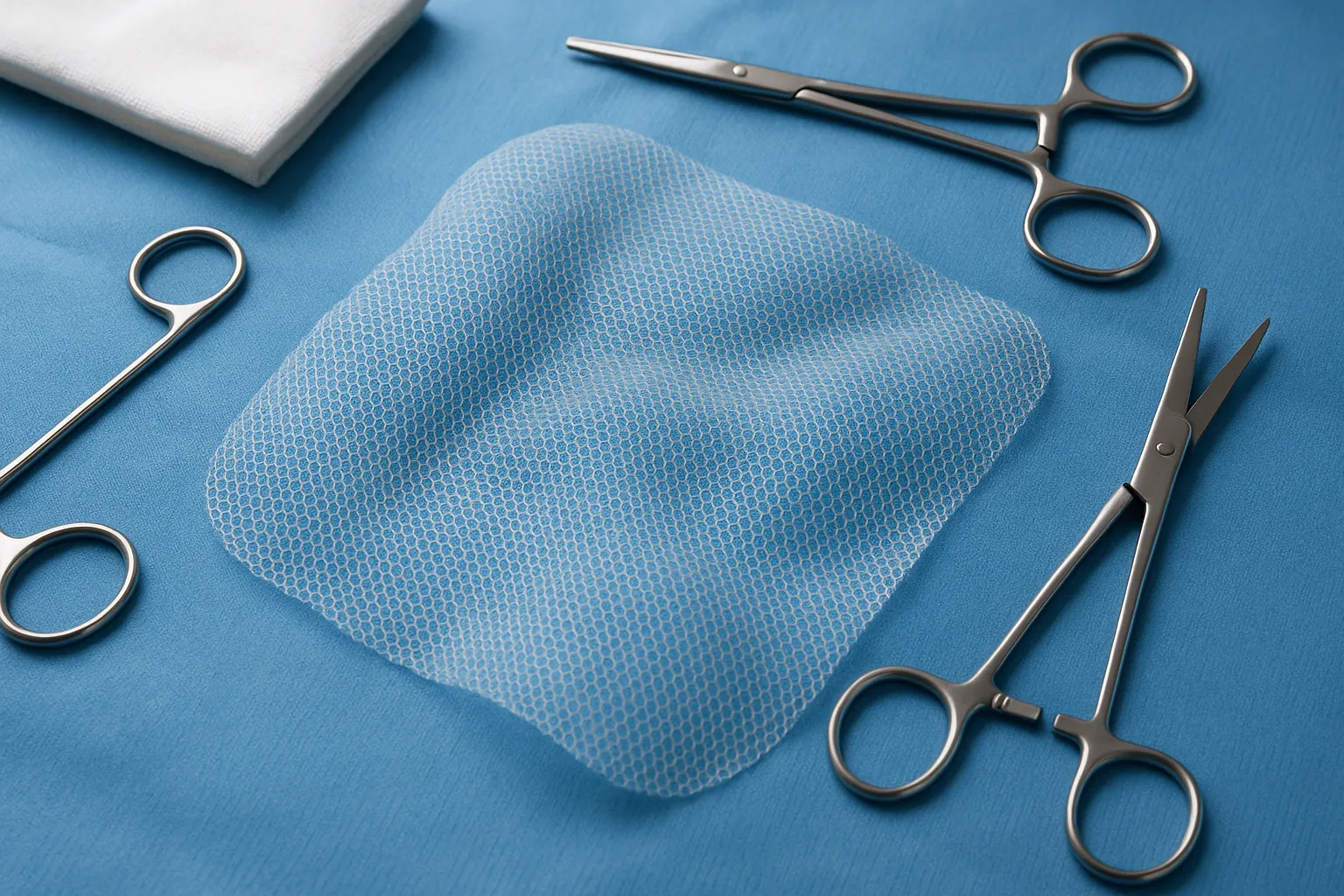
A mother from Clydebank has voiced her dismay over the Scottish Government’s recent decision to remove the dedicated role of women’s health minister amidst ongoing concerns regarding the safety of surgical mesh products. Roseanna Clarkin, who advocates for those affected by mesh complications, highlighted the challenges faced by many women across Scotland who attribute life-altering health issues to these controversial implants.
Clarkin, whose experience with surgical mesh began when it was used to address an umbilical hernia in 2015, is one of numerous women advocating for an independent review into the use of mesh in medical procedures, even as some variants continue to be employed despite the ban on vaginal mesh. She expressed her frustration with the recent reshuffle by First Minister John Swinney, which saw the responsibilities of the women’s health minister absorbed into the broader portfolio managed by Maree Todd, who oversees mental wellbeing and public health among other areas.
She stated, “Vaginal mesh is banned but mesh is still used for other procedures. Ultimately it’s the same mesh. There has to be an alternative.” Her remarks underscore a significant sentiment among those impacted by mesh surgeries, who believe that the health system often overlooks or dismisses their concerns and symptoms.
The strategic role dedicated to women’s health has existed within the SNP government for the past five years, with Jenni Minto being the minister before the recent changes. Critics have expressed concerns that merging this role with broader health responsibilities could dilute the focus on women’s specific health needs, particularly given the alarming statistics surrounding gynaecological waiting times. According to figures released earlier this year, over 66,000 women are currently awaiting gynaecological treatment in Scotland, with a substantial proportion of them—almost 60%—exceeding the government’s 12-week waiting time target.
In light of these figures, more than 20 Labour MPs from Scotland have co-signed a letter directed to SNP Health Secretary Angela Constance, urging her to prioritise women’s health issues more significantly. The overwhelming consensus among health advocates is that the removal of a dedicated women’s health minister is detrimental to efforts aimed at addressing the gendered disparities that exist within the healthcare system.
Clarkin, representing the Scottish Global Mesh Alliance, emphasized that the former women’s health role was intended to help bridge substantial gaps in care for women, particularly regarding the often dismissive attitudes they encounter when seeking medical attention. She noted, “The women’s health minister role was meant to help bridge the very real gaps in women’s healthcare, especially around the misogyny many women still experience when symptoms are dismissed or labelled as anxiety or hysteria. We need women’s health properly championed until healthcare is genuinely equal, and we need the wider health minister fully accountable as well.”
Scottish Conservative MSP Rachael Hamilton remarked on the matter by stating that the government has historically treated women’s health as a secondary priority. She asserted that eliminating the dedicated ministerial position merely substantiates the overarching neglect that has characterised the SNP’s approach to women’s health.
Similarly, Jackie Baillie, the Scottish Labour health spokesperson, remarked that dispelling the role of Women’s Health Minister conveys a worrying message about the government’s commitment to addressing women’s health concerns effectively. She expressed alarm at the implications of this political move, echoing the anxieties of many women who feel that their health and welfare are not receiving the attention they warrant.
Maree Todd responded to the criticism while reflecting on the importance of women’s health within her expanded role. She noted, “Scotland was the first in the UK to deliver a Women’s Health Plan and I am very much looking forward to delivering on the progress made by my predecessor Jenni Minto as I work closely with the NHS and stakeholders to deliver phase 2 of the Plan.” Her comments suggest a commitment to advancing initiatives that can enhance women’s healthcare, despite the reshuffle generating apprehension among advocates and those affected by these health issues.
The Scottish Government’s recent decisions have stirred significant debate around the adequacy of women’s health provisions. Critics echoing Clarkin’s sentiments urge for a more focused approach to addressing the lingering issues resulting from the use of mesh devices, along with the broader systemic challenges women face in the healthcare sector. There is a growing movement among advocates for an independent review into the use of surgical mesh—underscoring the urgent need for accountability and reform in women’s health policies.
As more women share their experiences and seek comprehensive care, the dialogue around the implications of the Scottish Government’s restructuring continues to evolve, raising pivotal questions about the future of women’s healthcare in Scotland. The conversations surrounding these changes speak volumes of the ongoing struggle for equality in healthcare access and the need for policies that truly reflect the unique health needs of half the population.
Our Thoughts
The article highlights serious concerns regarding the use of surgical mesh products in women’s healthcare, which have resulted in significant complications for many patients, including Roseanna Clarkin. To avoid such incidents, more rigorous pre-market testing and evaluation of surgical mesh products should have been implemented, in line with the Medical Devices Regulations 2002, which require that products demonstrate safety and effectiveness.
Furthermore, the apparent dismissal of women’s health issues raises alarms regarding compliance with the Health and Safety at Work Act 1974, which mandates employers to provide a safe work environment, including addressing specific health concerns and ensuring that patients receive appropriate care without bias.
Key safety lessons include the necessity for healthcare professionals to take patient reports seriously and ensure that symptoms are not minimized or ignored. Establishing a dedicated women’s health minister role appears essential for addressing systemic issues within women’s healthcare treatment, ensuring that women’s health concerns are adequately represented and prioritized.
Preventing similar incidents requires a commitment to ongoing reviews of medical practices and devices, transparent communication about potential risks, and proper training for healthcare providers on gender-sensitive care.