















Story Highlight
– Apprentice injured by metal cutting guillotine during training.
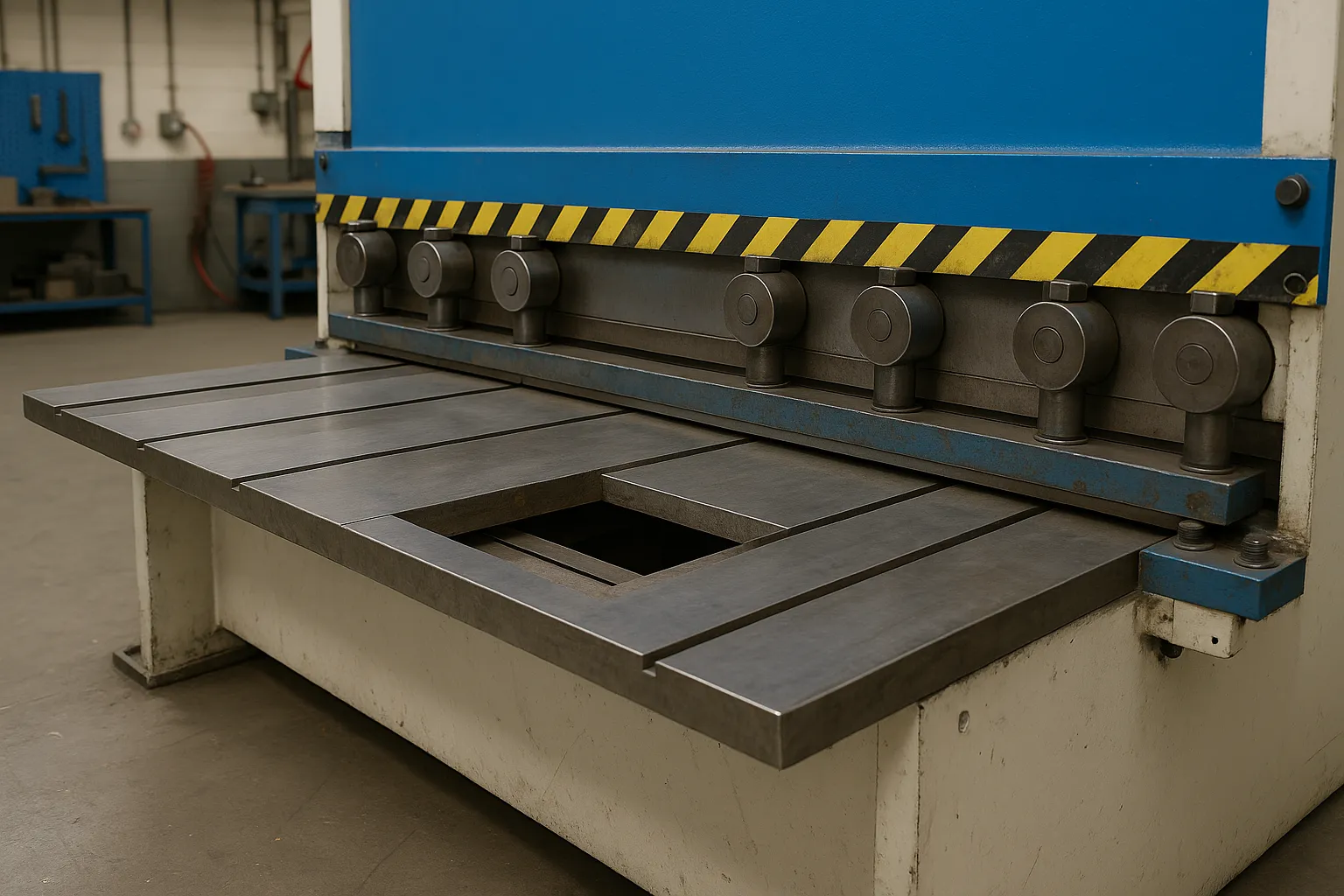
– HSE found dangerous gap in guillotine bed.
– Company failed to identify risks post-incident.
– MTL Advanced Ltd fined £140,000 for safety breaches.
– Additional safety issues discovered in training workshop.
Full Story
A metal fabrication company based in Rotherham has been sentenced for failing to maintain health and safety standards that resulted in a serious injury to a 17-year-old apprentice. MTL Advanced Ltd faced legal repercussions after an incident involving a metal cutting guillotine during the apprentice’s training.
The incident occurred on 8 November 2024, while the young apprentice was practising metal cutting in a designated workshop aimed at training new employees. This particular workshop serves as a foundational space for first-year apprentices to acquire skills in metal fabrication before progressing to the firm’s main production areas in subsequent years.
While the apprentice successfully performed several cuts, the situation turned hazardous on their final attempt when their thumb came into contact with the machine’s clamps, leading to a painful crush injury.
In response to the incident, the Health and Safety Executive (HSE) initiated an investigation, wherein it was discovered that a significant gap existed in the bed of the guillotine. This opening granted access to perilous components of the machinery and highlighted a critical oversight by the company, which had failed to recognise this risk even after the incident had occurred.
A Prohibition Notice was issued by HSE, a preventative measure to halt ongoing risks associated with the guillotine. Following this, HSE inspectors conducted an on-site examination and uncovered additional safety violations regarding the equipment, necessitating immediate corrective action.
The HSE emphasises the importance of rigorous safety protocols, especially when it comes to young workers, who may be unfamiliar with workplace hazards. The guidance clarifies that new entrants into the workforce, particularly those within the first six months of employment, are especially vulnerable to accidents owing to their inexperience in recognising risks.
A broader inspection of the Apprentice Training Workshop revealed further safety issues, including access to live electrical components, unguarded machinery susceptible to causing injuries, and notable deficiencies in the inspection processes for workshop tools and equipment.
MTL Advanced Ltd, located at Britannia House, Junction Street, Darwen, Lancashire, pleaded guilty to breaching Regulation 11(1) of the Provision and Use of Work Equipment Regulations 1998. The company has been fined £140,000 and additionally required to pay costs amounting to £5,013, along with a Victim Surcharge of £2,000, as mandated by the Sheffield Magistrates’ Court.
Following the proceedings, Chris Tilley, HM Principal Inspector of Health and Safety, highlighted the need for vigilant risk assessments when hiring young individuals and apprentices. “Young people and apprentices are at the beginning of their career, and so when it comes to workplace risks, employers must take particular care to assess those risks and fulfil their duty to keep them safe. Had this machinery been effectively guarded, this injury would never have happened,” Tilley stated.
The case, handled by HSE enforcement lawyer Chloe Ward and Paralegal Officer Hannah Snelling, draws attention to the vital role that health and safety regulations play in protecting young workers in industrial environments.
The HSE, serving as the UK’s primary regulator for workplace health and safety, remains committed to safeguarding individuals and promoting a culture of safety across industries. They provide extensive resources, advice, and guidelines to help employers manage risks effectively, particularly in contexts involving young employees.
Employers are encouraged to familiarise themselves with risk management strategies and adhere strictly to health and safety legislation to prevent similar incidents. The need for adequately guarding machinery and ensuring safe working conditions cannot be overstated, especially considering the vulnerability of new apprentices learning on the job.
In light of this incident, MTL Advanced Ltd has been reminded of its responsibility to implement effective safety measures and regularly audit its equipment and training procedures. The recent court ruling serves as a critical reminder of the potential consequences of negligence in the workplace.
Fostering an environment where young workers can train safely is not only a legal obligation but also a moral imperative, ensuring that the next generation of skilled workers can develop their abilities in a hazard-free setting. Awareness and proactive steps can significantly mitigate risks associated with training and machinery use, thus protecting both apprentices and employers from harm.
The overarching message is clear: comprehensive risk assessments and safety protocols are essential in preventing workplace injuries. The HSE continues to encourage employers to prioritise safety measures to safeguard their employees, particularly those at the start of their careers.
Through the lessons learned in this case, businesses can better prepare to prevent similar occurrences, ensuring that apprentices and young workers can thrive in a safe and supportive environment.
Our Thoughts
The incident involving the 17-year-old apprentice highlights significant health and safety failings by MTL Advanced Ltd. To prevent such injuries, several measures should have been implemented. Firstly, the company should have conducted thorough risk assessments as mandated by Regulation 3 of the Management of Health and Safety at Work Regulations 1999, focusing specifically on the risks associated with young apprentices, who are at a heightened risk of workplace accidents.
Proper guarding of machinery is critical, as outlined in Regulation 11(1) of the Provision and Use of Work Equipment Regulations 1998, which mandates that dangerous parts of machinery should be effectively guarded to prevent access. The lack of effective guarding on the guillotine, allowing easy access to moving parts, was a clear breach of this regulation.
Key lessons include the necessity for ongoing safety training tailored to young workers, regular inspections of equipment, and effectively addressing any identified hazards, especially after incidents occur. Implementing a clear reporting and remediation process for safety concerns can mitigate future risks. Regular safety audits and enhanced supervision during training can further ensure a safer environment for apprentices.