















Story Highlight
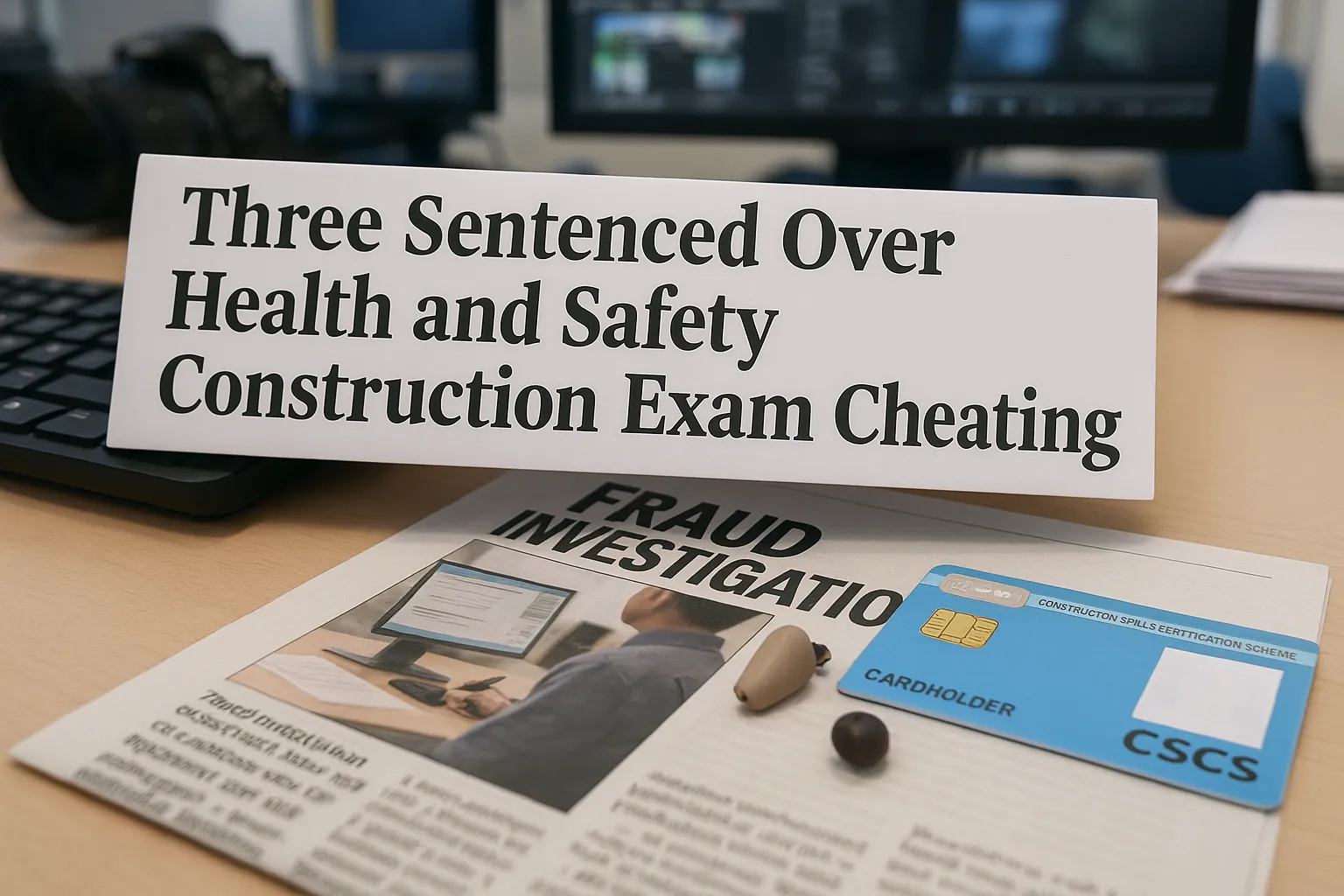
– Three men sentenced for cheating construction safety exams.
– Over 70 people involved; Bluetooth earpieces used.
– Fraud operation made over £60,000 in profits.
– Convictions protect health and safety standards in construction.
– Investigators continue to target organized crime in industry.
Full Story
A detailed investigation by the Metropolitan Police has led to the sentencing of three individuals involved in a significant fraudulent scheme that enabled over 70 people to cheat on health and safety exams required in the construction industry, utilising Bluetooth earpiece technology. The operation, which unfolded over a year, was unveiled as part of the Met’s dedicated efforts to address online and financial crime within London.
The probe was initiated following concerns raised by the Construction Industry Training Board (CITB) regarding a suspected cheating operation compromising the integrity of examinations at various construction test centres in the capital. This inquiry prompted law enforcement to conduct surveillance across these facilities, which ultimately revealed a well-organised group dedicated to fraudulent activities.
The illicit use of Bluetooth earpieces allowed candidates to receive answers in real time, leading to undeserved pass certificates that not only jeopardised workplace safety but also undermined the overall standards of the construction industry. Collaborating closely with CITB and Pearson Professional Assessments, investigators gathered crucial evidence by utilising a combination of CCTV monitoring, location analytics, and call data, which effectively facilitated the identification and apprehension of the perpetrators within six months of the initial complaints.
At Snaresbrook Crown Court, the three men were sentenced on 31 March. Sushil Kumar, aged 37 and residing on Belmont Road in Redbridge, received a prison sentence of two years and eight months. Pradeep Sheragar, aged 35 from Orchestra House in Redbridge, was handed a suspended sentence of two years, and Jaspal Sani, 43, living on Lonsdale Avenue in Newham, also received a one year and three month suspended sentence.
All three men pleaded guilty to the charge of fraud by false representation during proceedings earlier this year, on 12 January. Their convictions serve as a critical component of the Met Police’s ongoing strategy to eradicate organised crime and safeguard health and safety protocols across the construction sector.
Detective Sergeant Neil Stanley, who spearheaded the investigation, remarked on the prejudicial effects of the scheme, stating, “Out of sheer desperation, victims handed over hundreds of pounds to gain employment on construction sites even though they were underqualified or had little knowledge of health and safety standards. Falsifying results is extremely dangerous and poses a risk to site workers across the city. The greed of Sheragar, Sani and Kumar showed a lack of regard to site workers and their safety.”
The economic implications of this fraudulent operation were substantial, with reports indicating that individuals paid up to £850 each for the chance to cheat on the exam, and the trio allegedly amassed upwards of £60,000 over an extended period to facilitate their scheme. This criminal conduct not only damaged the credibility of the Construction Skills Certification Scheme (CSCS) but also had far-reaching consequences for the health and safety of workers across construction sites in London.
Christopher Simpson, Head of the CITB Standards Setting Body, expressed the organisation’s commitment to maintaining rigorous training and competency standards within the construction workforce. He stated, “Part of our role at CITB is to ensure that the construction workforce is well-trained and competent, and this means ensuring our testing methods are robust and everyone is completing tests to the standard expected. This is a great result following a complex and detailed investigation. Cheats and fraudsters who circumvent these safety critical exams and assessments are putting lives at risk through this type of fraudulent activity, not only the person cheating, but members of the construction industry and public alike.”
Simpson emphasised the priority of public safety and the need for a reliable construction industry, affirming that the CITB, in collaboration with the CSCS, will work diligently to revoke fraudulent test results and withdraw any CSCS cards obtained through dishonest means. He urged anyone suspecting instances of cheating in the acquisition of training and assessment credentials to take action, saying, “If you suspect someone has cheated to get their training and assessment credentials, please call it out, and help stamp it out. You can report matters confidentially via report.it@citb.co.uk.”
This case sheds light on the vulnerabilities within testing procedures in the construction industry and highlights the ongoing efforts by authorities to combat fraud while ensuring the safety and well-being of workers on site. The sentencing of these individuals serves not only as a punitive measure but also as a deterrent against future attempts to exploit the system. The collaborative approach between various agencies demonstrates a robust commitment to maintaining safety standards that serve the industry and protect the general public against the dangers of inadequate training and knowledge in construction practices.
Our Thoughts
To prevent the fraudulent activity described, stricter security measures could have been implemented at test centers, such as enhanced surveillance, better monitoring of candidates, and the use of technology to detect cheating devices. Regular audits of testing procedures could help maintain integrity and ensure compliance with safety standards.
Key lessons include the necessity of rigorous verification processes for qualifications in high-risk industries like construction, where health and safety are paramount. Compliance with the Health and Safety at Work etc. Act 1974 requires ensuring that workers possess the necessary skills and training to perform their roles safely.
The actions of the individuals involved breached multiple regulations, specifically those relating to false representation and the integrity of health and safety assessments. These actions not only undermine the credibility of the certification process but also jeopardize the safety of all construction site workers.
Future incidents could be mitigated through increased collaboration between regulatory bodies, enhanced whistleblower protections, and a proactive approach to identifying potential fraud before it occurs. Regular training and awareness campaigns may also deter individuals from engaging in such activities.