















Story Highlight
– HR’s role now includes shaping workplace culture and wellness.
– Modern workforce values clean, flexible work environments highly.
– Compliance and health standards are HR’s critical responsibilities.
– Integrated FM contracts streamline services and reduce costs.
– FM partnerships enhance employee experience and workplace effectiveness.
Full Story
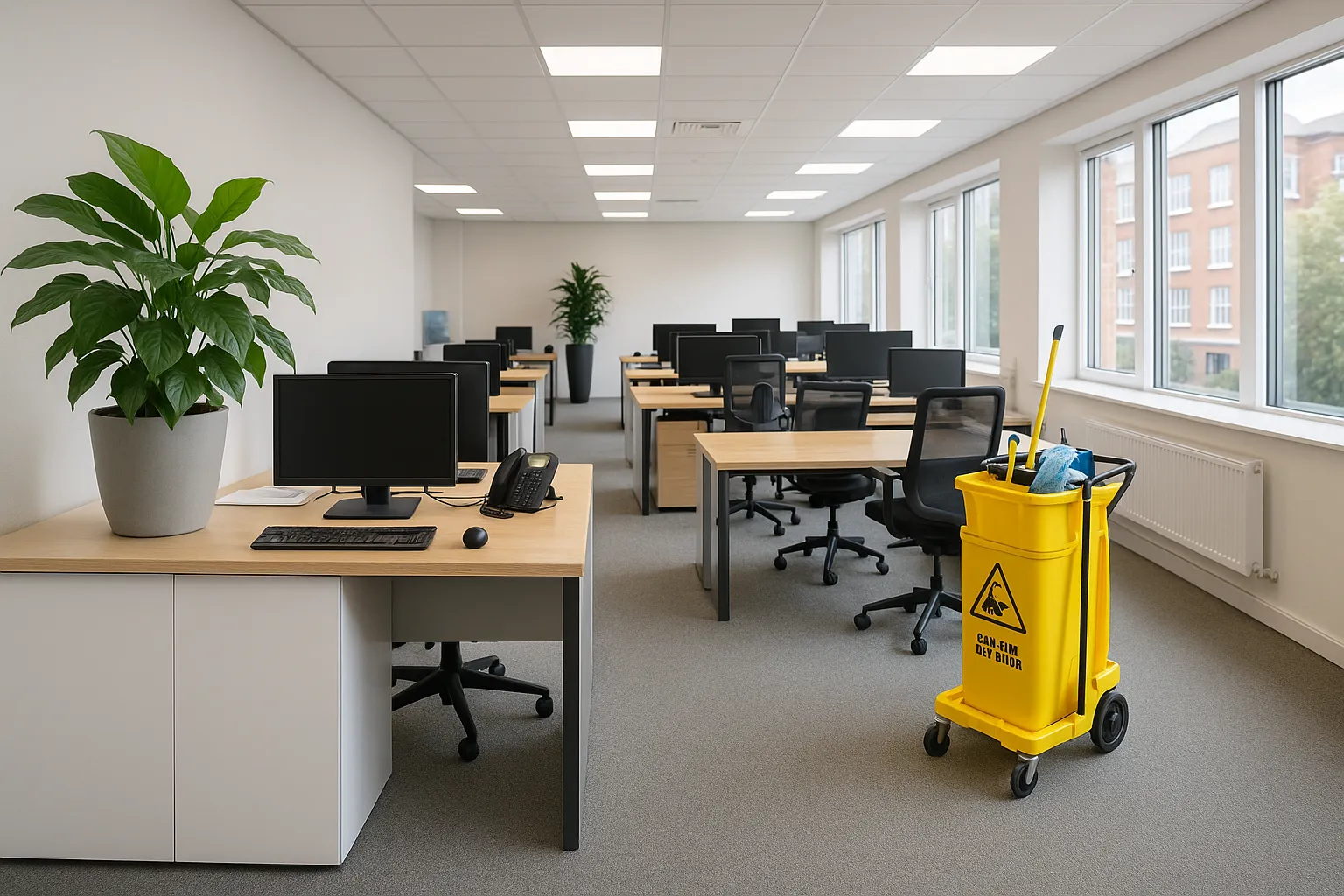
The evolving landscape of human resources (HR) in the United Kingdom reflects a significant shift away from traditional roles, encompassing areas far beyond recruitment and regulatory compliance. Today, HR professionals are increasingly tasked with influencing workplace culture, promoting employee wellness, and enhancing overall business performance. Notably, organisations such as ProFM Group have emerged as key contributors, providing integrated solutions that combine security, cleaning, and workplace services into single contract frameworks. This trend highlights the growing expectation on HR functions to meet ambitious objectives, with facilities management (FM) now recognised as a crucial strategic partner.
### Redefining the Workplace Experience
The modern workforce’s expectations have transformed dramatically. Employees no longer view a clean and secure working environment as an added benefit; it is now seen as a fundamental expectation alongside salary and benefits. Therefore, HR directors are now prioritising workplace experience as a pivotal element of recruitment and retention strategies. Effective facilities management plays a vital role in this process by ensuring that the physical workspace is not only well-maintained but also conducive to employee health and productivity.
The importance of FM is underscored by its direct impact on workplace morale. High-quality facilities management — covering aspects such as cleanliness and air quality — significantly influences employees’ perceptions of their workplace. Enhanced facilities can lead to a more engaged workforce, reduced absenteeism, and improved productivity levels, establishing FM as an essential ally for HR teams.
### Navigating Health, Safety, and Compliance
In the context of the UK’s health and safety environment, organisations face unprecedented scrutiny regarding compliance. HR directors hold ultimate responsibility for ensuring workplace safety, which includes adherences to various regulatory standards relating to hygiene, fire safety, and hazard control. With demands for compliance increasing, HR leaders are under pressure to create and maintain safe working conditions.
Facilities management providers step in by implementing crucial processes, conducting regular checks, and ensuring that services meet established standards. This partnership not only mitigates risks but also liberates HR professionals to engage more strategically, allowing them to focus on long-term objectives rather than being bogged down by immediate operational concerns.
### Financial Efficiency through Integrated Solutions
Cost efficiency is another significant factor driving HR leaders to explore more integrated facilities management solutions. Managing several separate contracts for cleaning, security, and maintenance can lead to inefficiencies and higher costs. By combining these services under a single FM contract, organisations can simplify management processes, improve governance, and reduce the administrative burden on HR teams.
This streamlined approach not only offers substantial cost savings but also enhances service quality. Moreover, HR departments benefit from the improved communication and reporting structures that arise from such integrations, leading to better service delivery and overall employee experiences.
### Adapting to Hybrid and Flexible Work Environments
The COVID-19 pandemic has accelerated a trend towards more flexible and hybrid working models. This transition presents specific challenges for HR departments, which must ensure that workplace facilities remain functional and appealing, particularly as employee occupancy levels fluctuate.
FM companies play a crucial role in facilitating this transformation by offering adaptive solutions. They can modify cleaning schedules and optimise workspace utilisation to align with evolving employee needs and workplace dynamics. Such flexibility ensures that organisations can attract and retain talent in an environment that continues to shift.
### Building Strategic Partnerships for the Future
Facilities management is evolving from being a traditionally reactive operational function to a proactive strategic asset. For UK HR directors, collaborating with the right FM providers can significantly enhance employee experiences, ensure compliance, and realise cost-effective solutions. As workplaces continue to adapt to new norms, the synergy between HR and FM is expected to strengthen, becoming increasingly vital for the development of resilient and high-performing organisations.
This integration represents a pivotal shift in how businesses approach workplace management, prioritising not just functionality but also the overall employee experience. As organisations navigate these changes, the partnership between HR and FM teams is set to play a fundamental role in shaping the nature of work itself.
In summary, the current landscape demands that HR professionals expand their roles and responsibilities, leveraging the expertise of facilities management to meet the evolving expectations of employees and ensure that workplaces are not only productive but also supportive and engaging. This collaboration is crucial as organisations strive to remain competitive and attractive to current and prospective employees in a rapidly changing world of work.
Our Thoughts
The article highlights the evolving role of HR and the importance of facilities management (FM) in ensuring workplace health and safety. To avoid potential incidents, organizations should prioritize a more integrated approach to workplace safety, focusing on compliance with current UK health and safety regulations.
Key lessons include the need for HR to conduct thorough risk assessments and ensure that all FM providers meet the required standards set out in the Health and Safety at Work Act 1974 and related regulations. Regular training for employees on health and safety practices, along with clear communication about roles and responsibilities, is essential.
Potential breaches of regulations may occur if there is a lack of proper hygiene standards, inadequate fire safety measures, or failure to address hazards in the workplace. Such oversights can compromise employee safety and wellbeing.
To prevent similar incidents, organizations should foster a culture of safety that prioritizes regular audit checks and stakeholder collaboration, ensuring that all service providers are held to account and that they maintain the highest compliance with health and safety legislation. Integrating safety measures into the strategic objectives of both HR and FM can ultimately lead to a healthier and more productive workplace.