













Story Highlight
– Jack Carne and friends hiked in Snowdonia, Wales.
– Inspired by post-Covid freedom and adventure.
– Trio was fit, experienced, and committed hikers.
– Encountered trouble 10 meters from Glyder Fawr summit.
– Adventure turned dangerous for the group unexpectedly.
Full Story
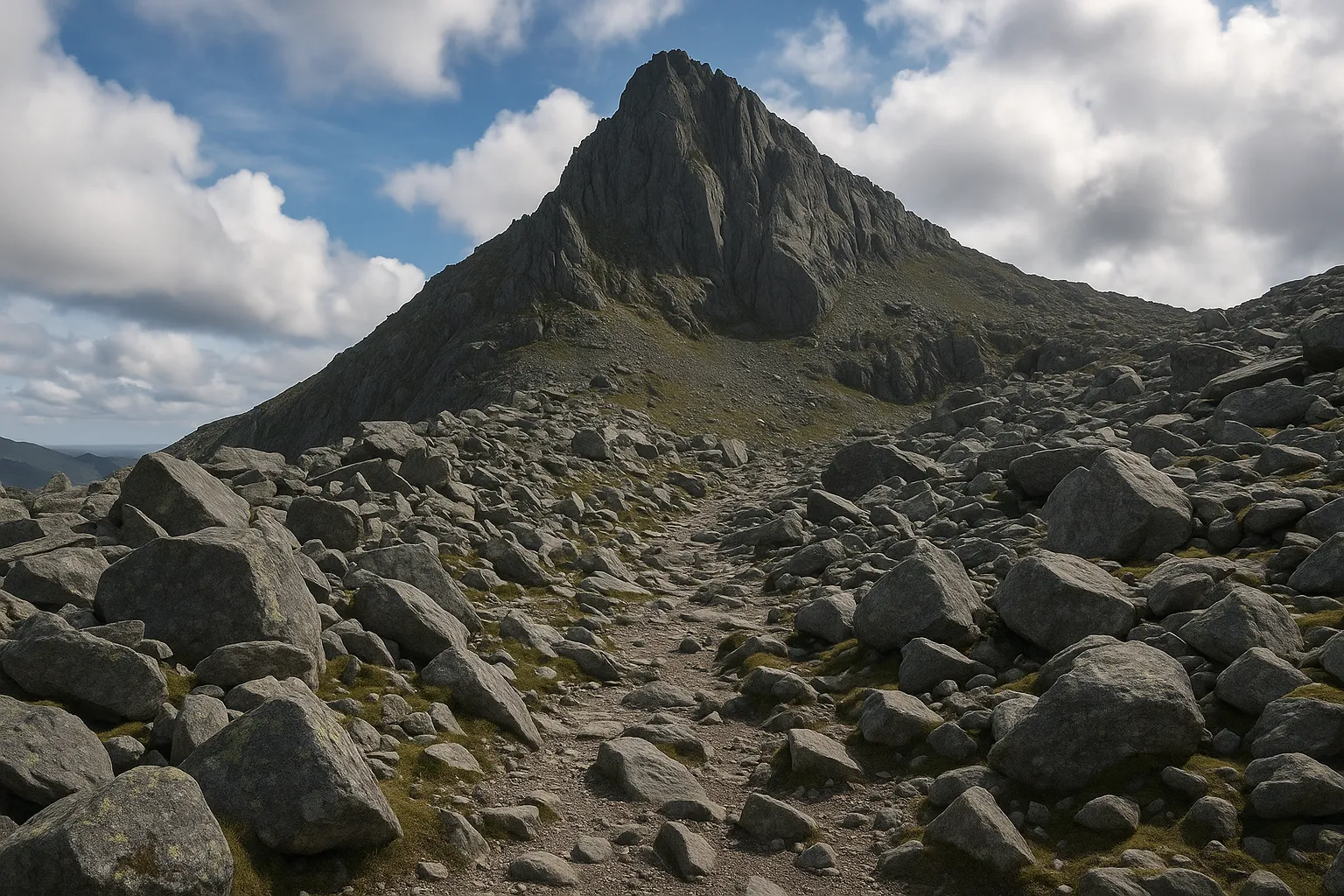
The tale of Jack Carne is a remarkable example of adventure intertwined with peril. A group of friends, including Jack, made the journey from their home city of Barnsley to the breathtaking peaks of Eryri, more commonly known as Snowdonia, located in the northern part of Wales. Having been invigorated by the desire for exploration following the restrictions imposed during the Covid-19 pandemic, the trio in their twenties had seized every opportunity to hike in the mountains. Their dedication to fitness and their extensive outdoor experience had equipped them well for their excursions, but on this particular outing, everything took an unexpected turn just a mere “10 metres from the top” of Glyder Fawr, one of the region’s prominent summits.
The adventure began with an air of excitement as the friends embarked on their trek, motivated by a shared love for the outdoors. The post-lockdown spirit had rekindled their passion for hiking, compelling them to explore the natural beauty that Wales has to offer. The rugged terrain and stunning vistas of Snowdonia had always stood as a draw for outdoor enthusiasts, and this time, it was no different for Jack and his companions.
As they ascended, the camaraderie among the friends deepened. They shared stories and laughter while forging ahead, their confidence buoyed by their physical fitness and previous hiking experiences. Yet, the mountains, despite their allure, possess an unpredictable streak, which can transform a seemingly ordinary hike into a perilous situation within moments.
While nearing the top of Glyder Fawr, an imposing peak that rises sharply from the landscape, the group had encountered a patch that appeared deceptively benign. A sense of accomplishment was palpable; the summit was within reach. However, in the blink of an eye, the atmosphere shifted. What had been an exhilarating climb morphed into a scene of urgency as a misstep led to a significant fall.
Fortunately, Jack’s fellow hikers acted quickly, adhering to the fundamental tenets of outdoor safety. They immediately contacted emergency services, fully aware of the seriousness of the incident. The Friends had a wealth of experience, yet they understood that the mountains command respect and that no situation should be underestimated. This abrupt moment of crisis was a stark reminder of how quickly conditions in nature can change.
Rescue teams responded promptly, illustrating the efficiency and dedication of local emergency responders who are familiar with the challenges posed by the harsh terrain. Evacuating individuals in distress from the higher elevations of mountains presents unique challenges, requiring both skill and tenacity. Successfully locating climbers who may have lost their way or experienced an accident often depends on the efficiency of these teams, equipped with the necessary tools and expertise to navigate difficult situations.
Declarative statements about the perilous nature of adventure sports and climbing can often resonate with those who have not personally faced such trials. Jack’s experience serves to highlight the inherent risks that come with mountain hiking, particularly in areas like Snowdonia, known for its breathtaking beauty but also for its unpredictable weather and rugged paths. Experts in outdoor safety consistently remind enthusiasts that preparation, caution, and awareness of one’s surroundings are vital.
Local communities in the vicinity of Snowdonia have expressed both concern for the safety of hikers and admiration for their adventurous spirit. Many residents are well aware of the influx of visitors these mountains attract, particularly as more people seek solace and adventure after the isolation of the pandemic. “It’s wonderful to see young people reconnecting with the outdoors,” noted one local business owner. “But we also need to ensure that they are equipped and well-prepared for the challenges that come with mountain hikes.”
Jack’s friends were eager for him to receive the care he required, reflecting their deep bond forged through shared experiences on numerous hikes prior. Their journey serves as a poignant reminder of the importance of being prepared for the unpredictability of the wilderness, where conditions can shift without notice, placing even the most seasoned hikers in jeopardy.
In this case, Jack Carne’s experience could contribute to discussions surrounding outdoor safety and awareness among young hikers. Advocacy for proper training, awareness of emergency procedures, and the essential nature of hiking in groups are crucial elements in fostering a culture of safety among outdoor adventurers. Community workshops focused on responsible hiking and emergency preparedness could benefit those looking to explore the great outdoors.
Jack’s story highlights not only the thrill of outdoor adventures but also the importance of caution and responsibility when embarking on such treks. The memorable experiences crafted on these hikes come intertwined with the necessity of being vigilant and prepared to handle emergencies should they arise.
As Jack recuperates, the incident serves as an invaluable lesson for all who dare to explore the grandeur of the mountains. The thrill of reaching new heights can be exhilarating, but as Jack’s experience illustrates, it is imperative to approach mountain ventures with the necessary respect and readiness, ensuring that safety remains paramount in the pursuit of adventure.
Our Thoughts
The incident involving Jack Carne underscores the critical importance of risk assessment and proper planning for outdoor activities, particularly in mountainous environments. Those planning hikes should conduct thorough evaluations of the terrain, weather conditions, and personal capabilities, consistent with the Health and Safety at Work Act 1974, which requires proactive measures to ensure safety.
In this case, potential risk factors may not have been adequately addressed, such as monitoring weather changes and understanding the physical demands of the hike. Additionally, lack of appropriate safety equipment, like communication devices or navigational tools, may have contributed to complications.
Key lessons include the necessity for clear communication among group members regarding safety and risk awareness, practicing the use of maps and compasses, and ensuring that all participants are physically prepared for challenging hikes. Establishing a safety plan, aligned with the Management of Health and Safety at Work Regulations 1999, could mitigate risks significantly.
To prevent similar incidents, organisations and hiking groups should consider implementing training programs focused on risk assessment, emergency response, and group management in outdoor activities.