










Story Highlight
– Parents urged to discard toys containing asbestos warnings.
– Smyths Toys recalled “Dig Products” due to health risks.
– Second alert issued for “Wooden Qiyi Sand Activity Toy.”
– Tremolite asbestos found in sand used in toys.
– Families advised to double-bag and dispose safely.
Full Story
Parents have been advised to dispose of a variety of widely-used children’s toys following alarming discoveries that some items contain asbestos. This serious health risk was highlighted after two separate alerts were issued regarding products intended for child play.
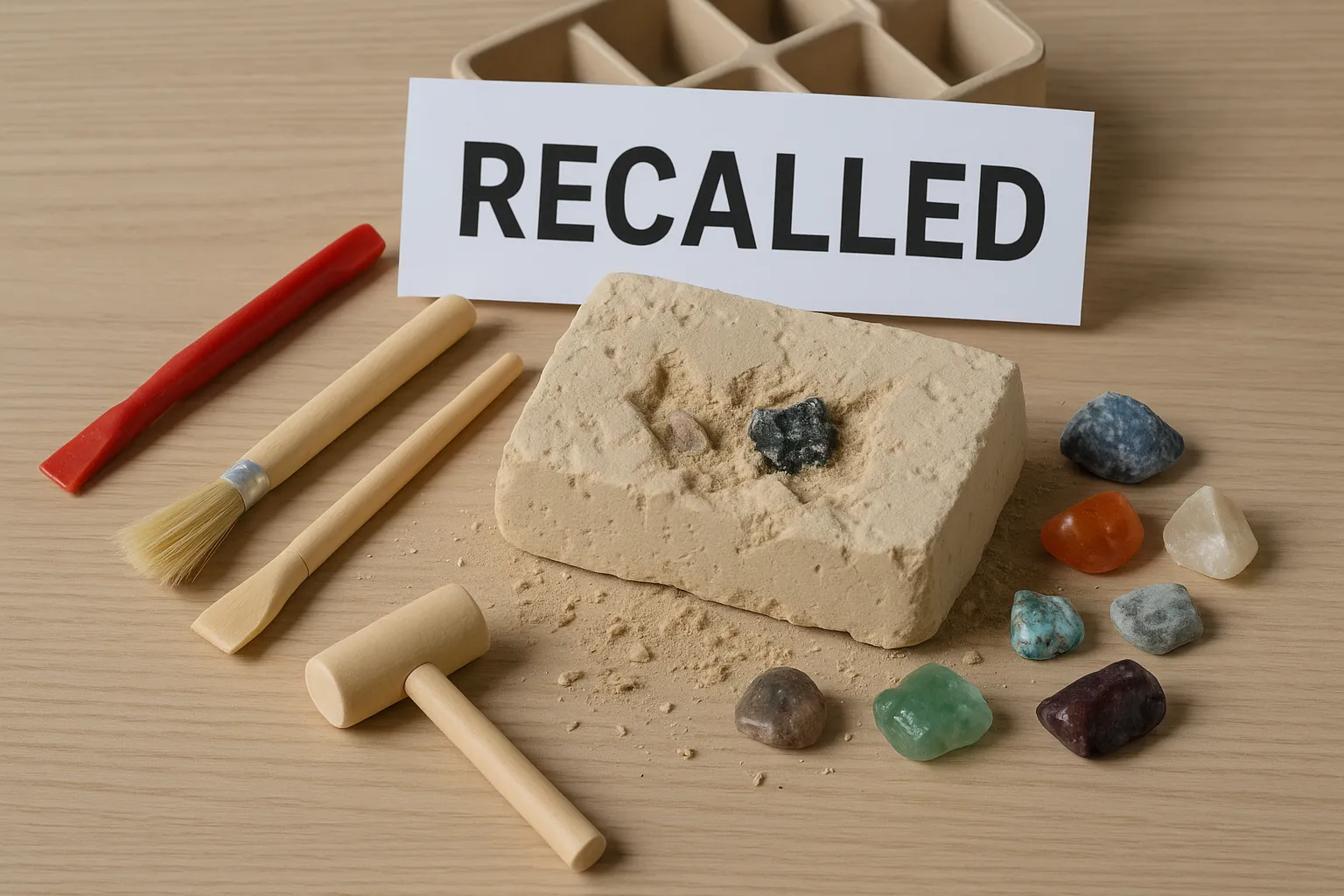
In a significant move, Smyths Toys has announced the recall of various “Dig Products” from its retail stores due to concerns that the excavation kits may be contaminated with asbestos. Safety authorities determined that the rock and mineral samples within these kits presented a substantial health threat to children.
The surge in recalls covering a range of children’s toys and craft items has prompted urgent investigations by health and safety regulators. Smyths Toys has urgently requested that families cease using these toys immediately and return them for a full refund.
Health professionals have raised concerns regarding the potential dangers posed by inhaling asbestos fibres, which can lead to severe lung diseases and cancers in the long term.
The products affected by the Smyths Toys recall include several discovery sets where children engage in activities to uncover hidden gems and fossils. However, the matter extends beyond these kits; another warning has been issued regarding a popular sand activity toy available through the global retailer Alibaba.
The “Wooden Qiyi Sand Activity Toy,” which was sold online, was also found to contain hazardous materials. Investigators identified tremolite asbestos hidden within the sand component, which is intended for children’s use.
The government’s Product Safety and Standards Office has indicated that the presence of asbestos in consumer goods is “strictly prohibited.” They stressed that children are especially vulnerable due to the nature of these toys, which are designed to be manipulated and disturbed during play.
Families who purchased the sand kit through Alibaba are being advised to securely double-bag the toy and dispose of it at a designated hazardous materials site to mitigate any health risks.
This warning follows the urgent recall of a multitude of toys in the UK due to similar concerns regarding asbestos contamination. Recent findings revealed that certain types of play sand, as well as toys containing sand, have tested positive for traces of the substance.
In light of these developments, the full list of toys currently subject to recall has been made available to the public, encouraging consumers to check if they possess any of these items purchased in recent years. The recalled toys include:
– Addo Sand Art Kit
– Addo Play Limited Paw Patrol Bumper Craft Collection
– Addo Play Limited Out to Impress Creative Candles Kit
– Addo Play Limited Paw Patrol Sand Art Pictures Kit
– Stretcherz Squad Action Figures in various assortments
– Stretchy Slammerz and other Stretch Squad products
– My Living World Worm Kit
– Multiple variations of ORB Funkee Sand products
– KTL Sensory Science Kit
– Various Dig Kits and treasure chests
This situation is particularly concerning, given the potential harm associated with asbestos exposure, especially in products targeted towards children. Asbestos is known for its long-term health risks, including asbestosis and different types of mesothelioma. The government and health officials are taking these warnings seriously, highlighting the ongoing importance of safety standards in manufacturing and distribution.
Parents are urged to remain vigilant regarding the toys and products they acquire for their children. The warnings serve as a critical reminder of the need for thorough checks on toys to ensure they meet safety regulations, especially those products that may come from overseas suppliers, where different safety measures may apply.
The recalls underscore the continuing battle against hazardous materials in consumer goods and the importance of public awareness regarding health risks. Authorities are collaborating with retailers to ensure that potentially dangerous products are swiftly removed from shelves and that consumers are informed about the risks associated with their purchases.
In summary, the recent alerts regarding asbestos in children’s toys serve as a stark reminder of the importance of vigilance when it comes to child safety products. As investigations proceed, families are encouraged to check their belongings and promptly respond to any recalls to protect their children’s health.
Our Thoughts
The discovery of asbestos in children’s toys raises critical health and safety concerns under UK legislation. Several key safety lessons can be derived from this incident:
1. **Manufacturing Standards**: Stringent adherence to the General Product Safety Regulations 2005 and the UK’s REACH (Registration, Evaluation, Authorisation and Restriction of Chemicals) regulations is essential. These regulations prohibit the inclusion of harmful substances like asbestos in consumer goods.
2. **Product Testing**: Enhanced quality control measures and comprehensive testing for hazardous materials before toys reach the market could have identified asbestos contamination early, mitigating risk.
3. **Supplier Accountability**: Manufacturers and retailers should implement rigorous supply chain audits to ensure compliance with safety standards, particularly for products intended for children.
4. **Public Awareness**: Should there be a more proactive communication strategy regarding product recalls and safety alerts, parents would be better equipped to act promptly for the safety of their children.
5. **Incident Reporting and Investigation**: Effective tracing and reporting mechanisms for safety breaches must be established to prevent recurrence.
Preventing similar incidents involves a commitment to rigorous safety practices, improved regulatory enforcement, and greater consumer safety education.