















Story Highlight
– UKHSA warns about rising tick threat in countryside.
– Ticks can transmit Lyme disease to humans.
– Use tick repellent and wear protective clothing.
– Regularly check for ticks after outdoor activities.
– Early Lyme disease symptoms include rash and fatigue.
Full Story
### Caution Urged for Countryside Walkers Amid Tick Health Warning
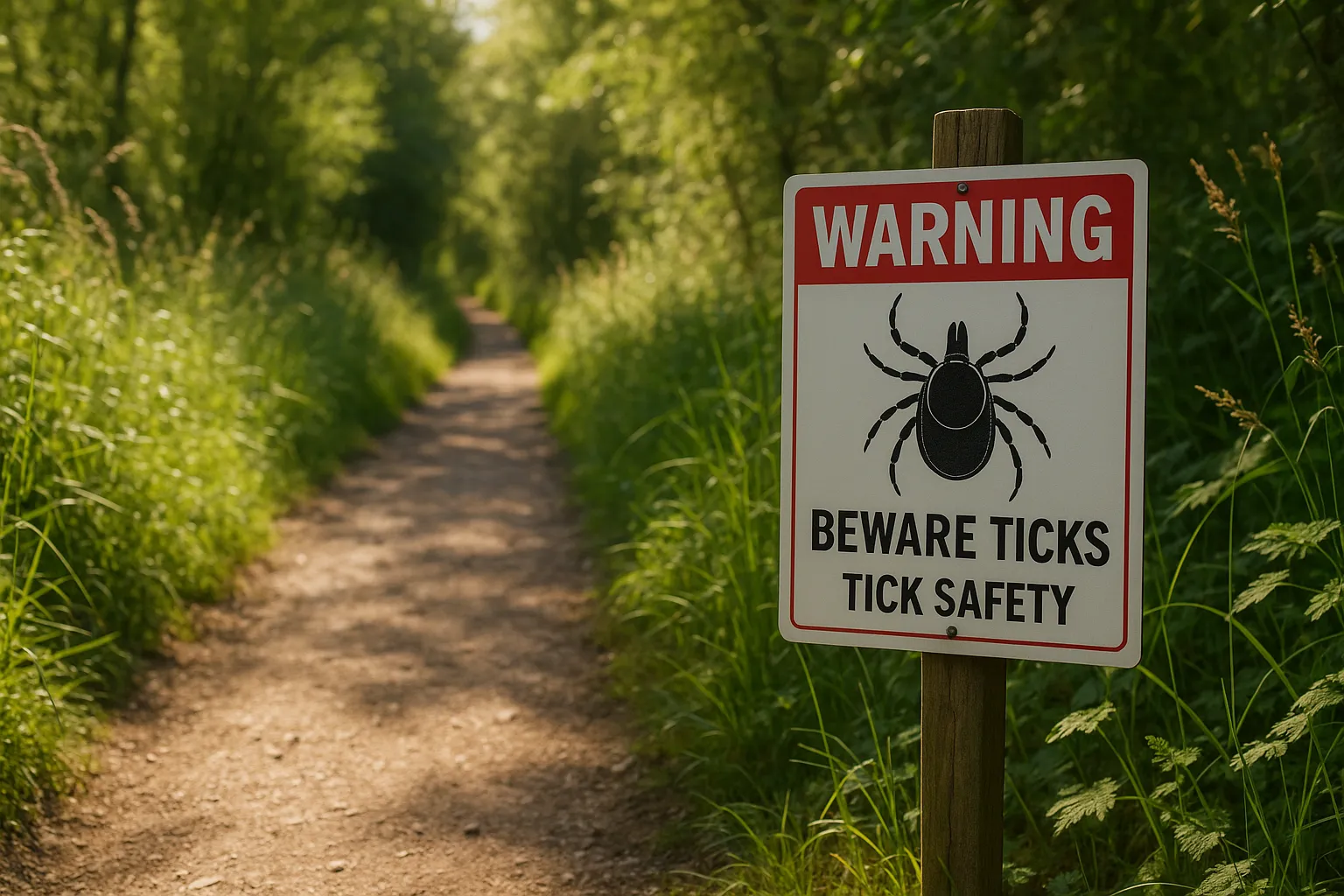
Outdoor enthusiasts in Britain are being urged to exercise increased caution when venturing into the countryside, following alerts about a significant health risk posed by ticks. The UK Health Security Agency (UKHSA) has released important guidance aimed at helping the public protect themselves against these small, arachnid creatures that can latch onto both wildlife and humans in overgrown areas.
Ticks, predominantly found in lengthy vegetation, have seen a rise in their populations in certain parts of the UK. The increase is believed to be linked primarily to the growing number of deer, which serve as hosts for these arachnids. As they feed, ticks are capable of transmitting various infections and viruses, with Lyme disease emerging as the most prominent concern among health professionals.
In a recent post on social media platform X, the UKHSA reminded individuals planning outdoor excursions to be prepared by highlighting key safety measures. “Planning a trip into the wilderness? Don’t forget the essentials… Good walking shoes? Plenty of water? Knowing which creepy-crawly to be aware of? That’s a tick too,” the agency stated.
The accompanying infographic provided by the UKHSA laid out comprehensive steps for tick prevention, including:
1. **Utilising Repellent**: Choose a tick repellent that effectively wards off these insects.
2. **Dressing Appropriately**: Wear long sleeves and trousers to limit bare skin exposure.
3. **Staying on Paths**: Stick to marked trails and avoid brushing against dense vegetation.
4. **Regular Checks**: Frequently inspect yourself for ticks, removing any found immediately.
5. **Post-Outdoor Inspection**: Upon returning indoors, examine yourself, your children, and pets for any ticks.
6. **Safe Removal**: If a tick is discovered, it is crucial to remove it promptly and safely.
### Understanding Lyme Disease
Lyme disease, an illness caused by the bacterium *Borrelia burgdorferi*, is primarily transmitted to humans through bites from infected ticks. It is important to note that not all ticks carry this bacterium; estimates suggest that approximately 10% of ticks in the UK are infected with the germ responsible for this disease.
Early identification of Lyme disease is vital for receiving prompt treatment. The National Health Service (NHS) notes that one of the earliest signs could be a circular or oval-shaped rash surrounding the bite site. This rash typically appears within one to four weeks but may also manifest up to three months post-bite and can last several weeks.
The NHS describes the rash as possibly being flat or raised, featuring a pink, red, or purple hue when it appears on lighter skin. However, it may be more challenging to identify the rash on darker skin tones, where it can resemble a bruise.
Other symptoms associated with Lyme disease may include:
– Elevated body temperature
– Episodes of chills and heat
– Headache
– Muscle and joint discomfort
– General fatigue
In some cases, untreated Lyme disease can lead to severe complications. The Centres for Disease Control and Prevention (CDC) notes that potential serious health issues might arise, including:
– Intense headaches and stiffness in the neck
– Facial paralysis, resulting in uneven facial features
– Arthritis manifested by severe joint pain and swelling, especially in the knees and other large joints
– Intermittent pain impacting tendons, muscles, and bones
– Cardiac issues, such as palpitations or arrhythmia (known as Lyme carditis)
– Episodes of dizziness or breathlessness
– Inflammation affecting the brain and spinal cord
– Nerve-related symptoms, including shooting pains, numbness, or tingling sensations, particularly in the extremities
### Guidelines for Safe Tick Removal
The NHS offers clear guidance on how to safely remove a tick, which is essential for minimising health risks. These steps include:
– **Use Appropriate Tools**: Utilise fine-tipped tweezers or a tick-removal tool, available at pharmacies, veterinary clinics, and pet supply stores.
– **Grasp the Tick Properly**: Approach the tick as close to the skin’s surface as possible.
– **Pull Gently**: Slowly and steadily pull upwards without squeezing or crushing the tick.
– **Dispose of the Tick**: Safely discard the removed tick.
– **Clean the Bite Area**: Use antiseptic or wash the area with soap and water afterward.
As individuals take to the outdoors during the warmer months, adherence to these guidelines is essential for ensuring safety while enjoying nature’s offerings. With an uptick in tick sightings across several regions in the UK, public awareness and education are crucial in preventing the potential health threats these pests pose.
Remaining vigilant and well-prepared can help ensure that outdoor activities remain a positive and healthy experience for all.
Our Thoughts
To mitigate the health risks associated with tick bites and the potential spread of Lyme disease, several preventative measures could be improved. Emphasizing public education through enhanced awareness campaigns could ensure that more individuals are informed about the risks of ticks and the steps necessary for protection. Regularly updated guidance from health authorities could reinforce the message, promoting the use of repellents and appropriate clothing.
The lack of widespread compliance with risk assessments under the Management of Health and Safety at Work Regulations 1999 may contribute to inadequate protective measures in outdoor activities. Ensuring all outdoor venue operators conduct comprehensive risk assessments regarding tick exposure could aid in identifying hazards and implementing appropriate controls.
Additionally, the Health and Safety at Work Act 1974 mandates that employers take reasonable steps to ensure the safety of employees in outdoor work settings. This may include training for staff on tick awareness and removal procedures.
Overall, increasing vigilance and following established safety protocols could significantly reduce the incidence of Lyme disease and related illnesses, protecting public health in the countryside.