














Story Highlight
– 51-year-old man arrested in London bushmeat raid.
– Police seized 11kg of illegal antelope and rat meat.
– Operation targeted illegally imported meat posing food safety risks.
– FSA warns against consuming illegally imported bushmeat.
– Investigations ongoing to disrupt illegal meat trade.
Full Story
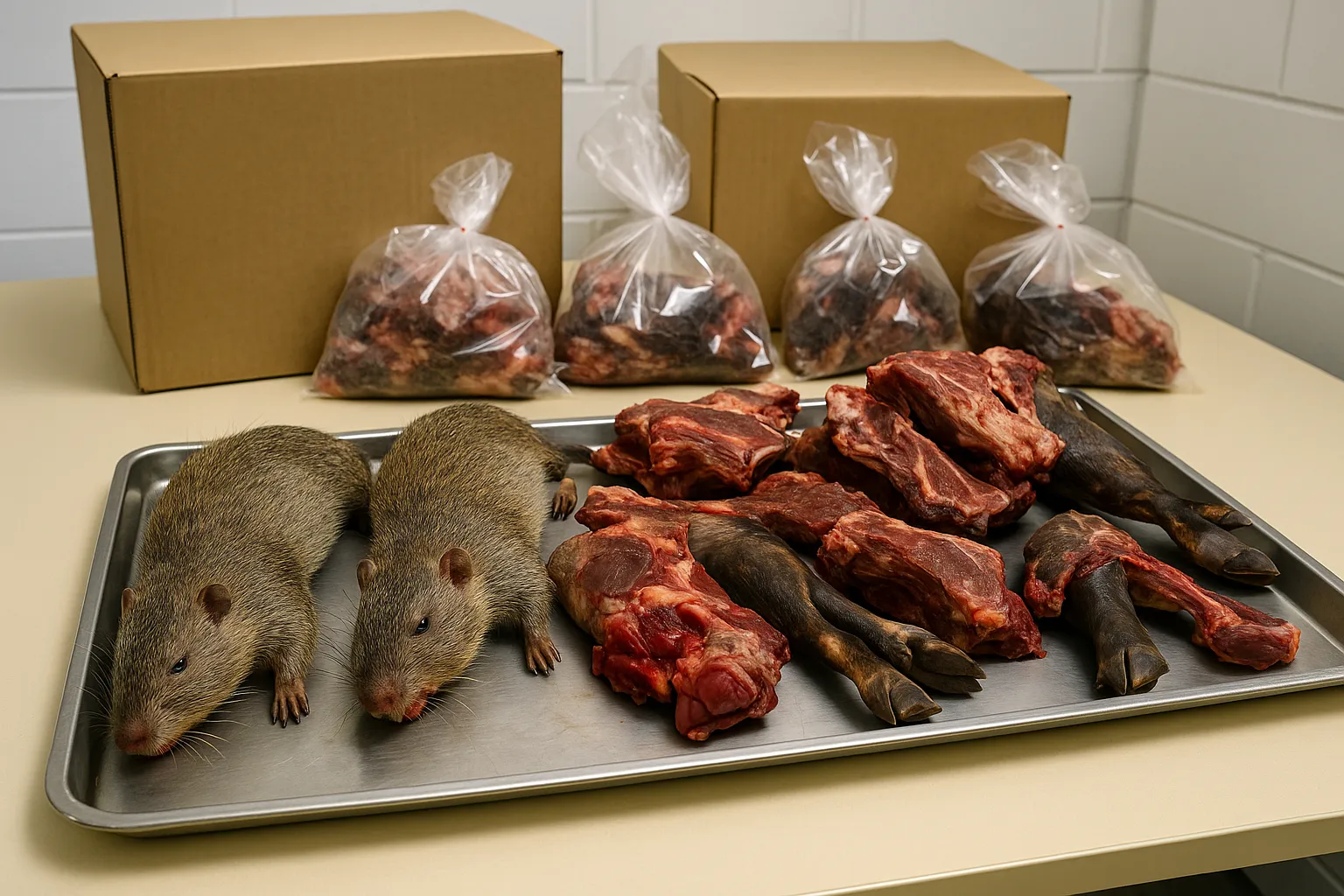
A significant police operation in southeast London has led to the arrest of a 51-year-old man following the confiscation of 11 kilograms of illegally imported bushmeat, including cane rat and antelope. The raid was executed by the Metropolitan Police as part of an investigation aimed at addressing the risks associated with potentially hazardous food products that do not comply with UK regulations.
Authorities discovered the contraband meat during a targeted operation concerning the illegal importation of wildlife products. The presence of Food Standards Agency (FSA) officers highlighted the seriousness of the matter, as they specialise in ensuring food safety standards are upheld. Bushmeat, defined by the FSA as wild animal meat, is typically hunted from species that are prevalent in tropical areas.
The prevalence of cane rats, for example, can be traced back to sub-Saharan Africa, where these rodents are often considered pests, particularly in agricultural sectors involving sugarcane and maize. Their harvesting poses significant challenges both ecologically and in terms of food safety, particularly when such meat is unregulated and its origins are questionable.
David Toms-Sheridan, who heads investigations for the National Food Crime Unit (NFCU) covering England and Wales, reiterated the collaborative efforts being made with the Metropolitan Police to identify and target individuals involved in the illegal trade of meat. He remarked that this operation is a continuation of the NFCU’s ongoing endeavours to dismantle networks trafficking in unregulated meat products and to safeguard public health from unsafe items entering the market.
In discussing the risks associated with illegal meat, the FSA emphasised that such products typically evade the strict safety and hygiene protocols that are standard for food sold within the UK. This raises serious concerns about the potential for disease transmission and contamination of possibly unsafe products. The agency issued a clear warning to consumers, urging them to avoid purchasing or consuming illegally imported bushmeat, which may carry substantial health risks. Individuals who suspect the sale of illicit meat products are encouraged to report these matters to their local authorities.
“We remain vigilant to the threat of illegal meat entering the food chain and will continue to take action to protect the public,” the FSA stated, underscoring their commitment to maintaining food safety.
Continued investigations into this matter point to the broader issue of wildlife trade and the implications it has for both human health and conservation efforts. The illicit meat trade has been a concern for many years, not just within the UK, but globally, where wildlife trafficking poses direct threats to numerous species and ecosystems.
A telling instance of this ongoing situation occurred in 2012, when an undercover operation by a local media outlet exposed alarming quantities of illegal meat, including cane rat, being sold openly at Ridley Road Market. This historic insight supports the assertion that the illegal meat trading is not merely a sporadic issue but a pervasive problem that continues to require intervention.
The illegal wildlife trade undermines conservation and poses a unique challenge to public health. Species affected by such practices are often endangered or threatened, further complicating the efforts of conservationists. The ramifications extend beyond just the immediate health concerns, emphasizing the need for robust action against such activities to protect biodiversity and public wellbeing.
Globally, initiatives to combat the illegal wildlife trade often involve multi-agency collaborations, incorporating customs officials, wildlife protection agencies, and local law enforcement to effectively monitor and control the movement of endangered species and their products. Such collaborative frameworks are crucial in developing comprehensive strategies to counteract illegal activities and strengthen legal frameworks surrounding wildlife trade management.
As the investigation continues in London, it becomes increasingly clear that the issue of illegal bushmeat is not confined to a single incident but a reflection of larger systemic issues regarding wildlife trade and food safety. Societal awareness and regulatory enforcement play vital roles in addressing these matters, demanding vigilance from both authorities and the public alike.
The outcomes of this operation may ripple beyond immediate legal consequences for the individual arrested; they could contribute to heightened awareness of food safety issues and the importance of sourcing meat from reputable suppliers. The underlying message from the FSA and other authorities is clear: illegal wildlife products pose significant threats not just to consumers, but also to the stability of ecosystems.
As the world grapples with the consequences of wildlife trafficking and illegal markets, local communities are urged to remain informed and proactive, recognising that the health of both people and the planet are intricately linked to the choices made in the food we consume.
Our Thoughts
To avoid the issues highlighted in the article regarding the illegal importation of bushmeat, enhanced regulatory enforcement and public awareness campaigns are essential. A stronger focus on compliance with the Food Safety Act 1990 and the Animal Health Act 1981 could mitigate risks associated with food safety breaches. Implementing stricter penalties for those caught involved in the illegal meat trade would deter potential offenders.
Key safety lessons include the critical importance of proper sourcing and transparency in food supply chains to prevent unsafe products from reaching consumers. Regular inspections and collaboration between the Food Standards Agency (FSA) and local authorities can ensure that food sold in the UK meets established safety and hygiene standards.
The operation indicates breaches of regulations concerning the illegal importation and sale of food products that do not comply with health and safety legislation. To prevent similar incidents, ongoing education for consumers about the dangers of purchasing unregulated products is necessary, along with improved reporting mechanisms for suspected illegal sales. Enhanced border control measures may also be needed to intercept illicit meat before it enters the market.