












Story Highlight
– Parents advised to discard toys with asbestos content.
– Smyths Toys recalls “Dig Products” due to asbestos risk.
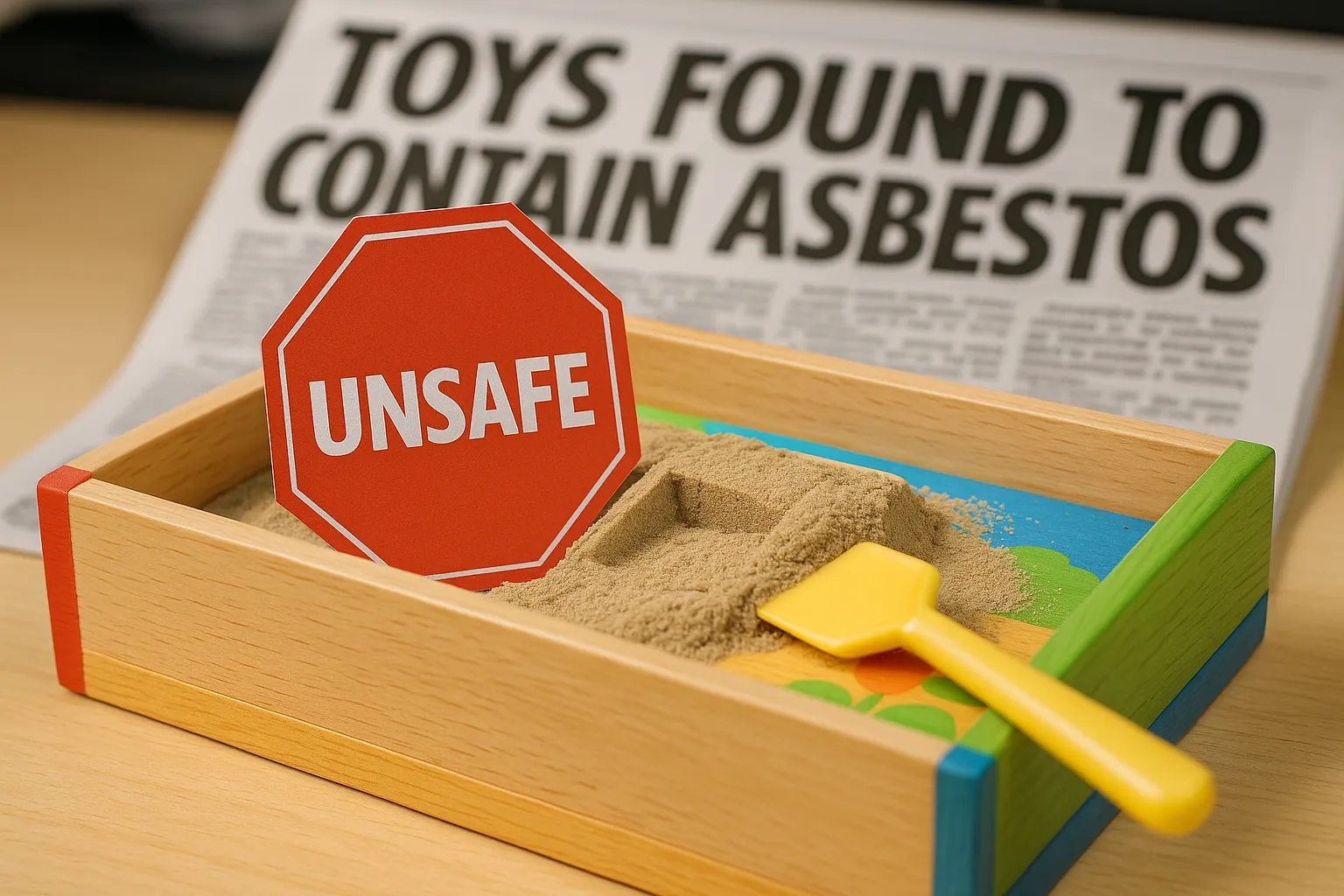
– Second warning issued for “Wooden Qiyi Sand Activity Toy.”
– Asbestos found in sand toys tested harmful to children.
– Government warns disposal at specialist sites necessary.
Full Story
Parents have been strongly advised to dispose of several well-known children’s toys following alarming discoveries that some contain asbestos. This warning comes after the issuance of two independent safety alerts regarding toys intended for children’s play.
High-street retailer Smyths Toys has announced a recall of various “Dig Products” amidst concerns that the contents of these excavation kits may be laced with asbestos. Safety regulators have determined that the rock and mineral elements within these kits represent a serious health risk to young users.
The situation has escalated as a growing number of children’s toys and craft kits have been subject to recalls, prompting urgent investigations by product safety officials. Smyths Toys has urged families to discontinue use of the affected products immediately and return them for a full refund.
Health professionals have raised alarms about the dangers of asbestos exposure, warning that inhalation of its fibres can lead to severe lung diseases and even cancers down the line.
The recall initiated by Smyths Toys encompasses various “discovery” kits where children can utilise tools to unearth gems and fossils. However, the safety concerns extend beyond these excavation kits. A second critical warning pertains to the “Wooden Qiyi Sand Activity Toy”, which was sold via the international marketplace Alibaba. Tests revealed that this toy’s sand component contained tremolite asbestos, a particularly hazardous form of the material.
Government authorities, specifically the Product Safety and Standards Office, have issued strong statements regarding the presence of asbestos, stating that it is “strictly prohibited” in consumer goods. They emphasise that the risk to young children is particularly pronounced, as these toys are often intended to be manipulated and disturbed during play.
Families that have purchased the contaminated sand kits through Alibaba have been advised to securely double-bag the toys and dispose of them at a licensed waste facility. This follows the broader trend of urgent recalls for a number of toys across the UK due to similar asbestos fears.
A comprehensive list of affected toys has been circulated in order to prevent further exposure risks. Some of the items recalled include:
– Addo Sand Art Kit
– Addo Play Limited Paw Patrol Bumper Craft Collection
– Addo Play Limited Out to Impress Creative Candles Kit
– Addo Play Limited Paw Patrol Sand Art Pictures Kit
– Stretcherz Squad Action Figure 4 Pack Assortment
– Stretcherz Stretch Squad 4pk
– Stretcherz Stretch Squad Beasts 4 Pack Assortment
– Stretcherz Stretch Squad Figures 2 Pack Assortment
– Stretcherz Stretch Squad Dino – pack of 4
– Stretcherz Stretch Squad Collectibles – pack of 8
– Stretcherz Twin Pack
– Stretchy Slammerz 2pk
– Stretch Squad Assortment
– Slammerz Assortment
– My Living World Worm Kit
– Basing Sand
– Sand & Pom Pom Art Kit
– Easter Bumper Craft Kit
– Giant Box of Craft
– KTL Sensory Science Kit
– Texet Bright Start Fluorescent Coloured Craft Sand Pack of 6
– Various ORB Funkee Sand products
Parents who may have acquired any of these toys in recent years are strongly encouraged to determine whether they still possess any listed items. The risks associated with exposure to asbestos cannot be understated, and vigilance is essential in ensuring children’s safety during play.
As further inquiries into the source of the contaminated products unfold, experts are calling for stricter regulatory measures to ensure such dangerous materials do not find their way into children’s toys. The potential health ramifications of asbestos exposure warrant immediate action and thorough investigations by the relevant authorities.
This situation serves as a stark reminder for parents to remain vigilant about the toys and products available to their children. The allure of fun and discovery can often mask serious safety concerns, highlighting the importance of staying informed about product recalls and safety alerts.
Health organisations continue to stress the need for ongoing monitoring of children’s products to eliminate similar instances in the future. As the investigations into these products proceed, families are left to navigate the fallout from these alarming discoveries, with many feeling anxious about the safety of toys they had previously considered safe for their children’s enjoyment.
With these safety concerns front and centre, manufacturers, retailers, and regulators must collaborate more effectively to safeguard children and ensure that the toys designed for them are both fun and safe to use. As this issue unfolds, the focus will remain on protecting children from hidden dangers that could lead to serious health risks in years to come.
Our Thoughts
To prevent the incident involving the discovery of asbestos in children’s toys, several measures could have been implemented. First, manufacturers should conduct thorough risk assessments and product safety testing in accordance with the Regulations 2007, part of the Health and Safety at Work Act 1974. The use of asbestos in consumer goods is strictly prohibited under the Control of Asbestos Regulations 2012, emphasizing the need for compliance in all product sourcing and manufacturing processes.
Additionally, better supply chain management and due diligence regarding raw materials, particularly those sourced internationally, would significantly reduce the chances of contamination. Regular audits and certification processes should be mandated for suppliers, especially for products intended for children, to ensure safety standards are maintained.
Consumer awareness campaigns would also help educate parents on the potential risks of toys that may contain harmful substances. Lastly, timely and efficient communication of recalls and alerts regarding unsafe products is crucial for minimizing risks to health and safety. Implementing these practices could mitigate similar incidents involving hazardous materials in children’s toys in the future.