












Story Highlight
– Plastic surgery in Turkey is safe with qualified surgeons.
– Shorter waiting times attract UK patients to Turkey.
– Costs are generally lower than UK private treatment.
– Patient safety depends on experience and hospital standards.
– Careful research is vital for informed decisions abroad.
Full Story
Turkey has increasingly emerged as a prominent destination for aesthetic surgery, attracting patients from the UK and beyond. Renowned for procedures like rhinoplasty, breast augmentation, and body sculpting, the nation has solidified its position in the medical tourism industry over the last decade. With the allure of reduced costs and shorter waiting times compared to private clinics in the UK, many individuals are weighing their options for cosmetic enhancement overseas. However, prospective patients are advised to consider safety protocols, regulatory measures, and post-operative care before proceeding with treatment.
One significant factor driving UK patients to seek surgical procedures in Turkey is the considerable cost disparity. Cosmetic surgeries in Turkey can be substantially lower priced than those in the UK, attributed to lower operational expenses, including staffing and facility costs. This financial advantage makes Turkey particularly appealing, especially for individuals seeking affordable yet quality treatment.
Another aspect that appeals to patients is the streamlined treatment process. In contrast to the UK, where cosmetic surgery often involves multiple consultations and waiting periods before surgery, Turkish clinics, especially those adept at handling international clientele, frequently consolidate consultations and operations into a single trip. This efficient scheduling aids patients who may have limited time and allows for clearer travel planning.
Regulatory standards for medical procedures in Turkey are overseen by the Turkish Ministry of Health. This authority ensures that hospitals and clinics adhere to national health regulations, which include maintaining high standards of surgical facilities, anaesthesia protocols, and hygienic practices. Surgeons are required to undergo extensive training, culminating in specialisation in plastic surgery, often supplemented by international experience and fellowships.
Although the regulatory framework differs from that of the UK—where the General Medical Council (GMC) and Care Quality Commission (CQC) monitor medical practitioners and facilities, respectively—both systems strive to safeguard patient welfare. Therefore, UK patients considering surgery in Turkey should validate the credentials of their chosen surgeon and the specific hospital or clinic where the procedure will take place.
Despite the allure of overseas surgery, patients must remain cognizant of the potential risks associated with travelling for cosmetic procedures. While the surgical methods may align with those available in the UK, logistical challenges can interfere with recovery and follow-up care. Most Turkish clinics offer post-operative checks before a patient returns home; however, the remaining recovery often occurs in the UK, which can complicate follow-up.
Flying shortly after surgery raises additional concerns. It may exacerbate discomfort or swelling, particularly for procedures that involve significant areas of the body, such as tummy tucks or Brazilian butt lifts. Long-haul flights can also elevate the risk of blood clots. As a precaution, surgeons may advise on measures to mitigate these risks, which could include medication or recommendations for movement during flights.
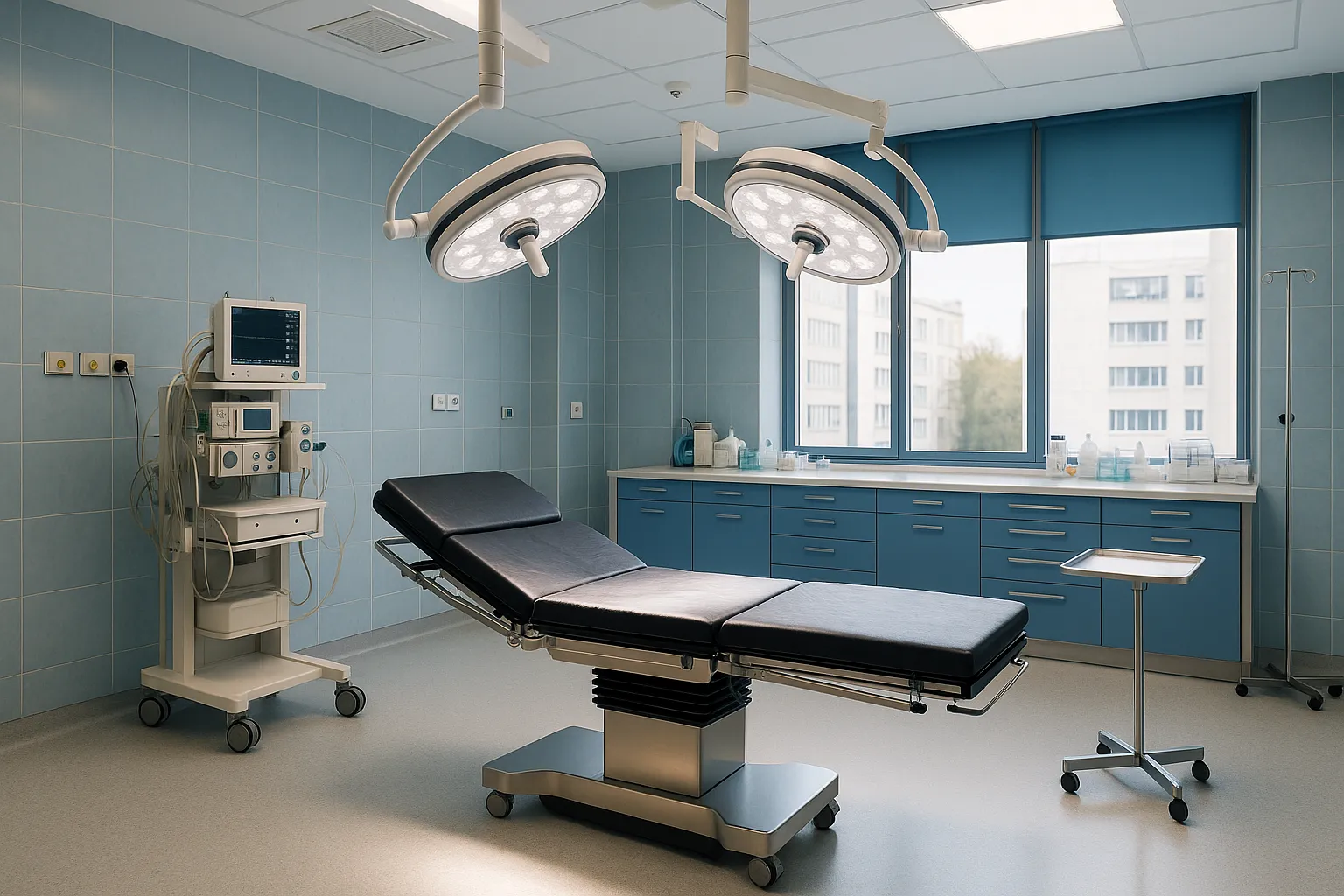
The safety of cosmetic surgery hinges primarily on the specifics of the clinical environment rather than merely the location. Crucial elements include the surgeon’s expertise, the standards of the operating facilities, and the presence of a competent anaesthesia and nursing team. Other considerations include stringent infection control measures and comprehensive patient evaluations prior to any procedure, as well as structured aftercare following surgery.
Patients are encouraged to thoroughly investigate these factors before making any decisions about surgery in Turkey. This includes inquiring about the surgeon’s background, the operating conditions, and the protocols in place for post-operative care. It is advisable for patients to gather detailed information regarding what the quoted prices encompass, as cost structures can differ substantially. In Turkey, prices may be presented in package formats that include a variety of services, making it imperative for patients to understand what is included in their quotes, such as post-operative care, medications, and hospital stays.
Comparing the two healthcare systems highlights practical differences in the approaches to cosmetic surgery in Turkey versus the UK. Patients in the UK typically experience several consultant interactions and are often required to consider their decision carefully over a designated cooling-off period. The follow-up process is usually simple for local patients, who can easily return for in-person appointments. Conversely, in Turkey, many patients will navigate a more accelerated timeline, where surgeries and checks are scheduled tightly within their travel plans. Post-operative care is frequently conducted remotely, utilising video consultations to maintain communication between the patient and the clinic.
As UK patients explore options for aesthetic surgery in Turkey, it’s essential to assess potential clinics critically. Many establishments market themselves as state-of-the-art, yet prospective patients should ask pointed questions about various aspects, such as facility accreditation, the experience level of the surgical team, and procedural care paths. Clinics like Cosmedica Aesthetic in Istanbul have become known for transparency in sharing detailed operational standards and practices that cater specifically to international patients.
In conclusion, the question of whether plastic surgery in Turkey is a safe option cannot be answered with a simple affirmation or negation. The efficacy and safety of cosmetic procedures are contingent on the surgeon’s qualifications, the quality of the healthcare environment, and the post-operative care offered. This necessitates thorough research and effective communication with chosen clinics to help patients align their expectations with reality. By preparing diligently, UK patients can make informed decisions regarding their journeys toward cosmetic enhancement in Turkey.
Our Thoughts
To avoid potential risks associated with plastic surgery in Turkey, patients should prioritize thorough research and verification of healthcare standards before proceeding. Key safety lessons include the importance of verifying the qualifications of surgeons and the licenses of hospitals, akin to procedures regulated by the UK’s General Medical Council (GMC) and Care Quality Commission (CQC). Patients should ensure that the facilities they choose meet appropriate hygiene and safety standards, highlighting the necessity of patient screening and structured aftercare.
Relevant UK health and safety regulations, such as the Health and Safety at Work Act 1974, stress the importance of minimizing risks and ensuring safety in healthcare practices. Traveling abroad for surgery could breach standards of post-operative care if adequate follow-up is not arranged. Furthermore, awareness of complications that can arise from long flights post-surgery, like blood clots, should also be emphasized in patient advisories.
To prevent similar incidents, enhanced patient education and stricter protocols for overseas medical tourism should be established, ensuring that individuals receive comprehensive guidelines on aftercare and recovery management before undertaking elective cosmetic procedures abroad.