















Story Highlight
– UK travelers urged to follow guidance before international trips.
– Research destinations thoroughly for health and security issues.
– FCDO provides country-specific safety and security information.
– Traveling against FCDO advice may invalidate travel insurance.
– Be cautious with alcohol, dress, and local laws.
Full Story
British holidaymakers are being strongly urged to adhere to key travel guidance before embarking on international trips. With numerous UK nationals set to travel abroad, experts stress the importance of preparation, applicable to all those planning to leave the country.
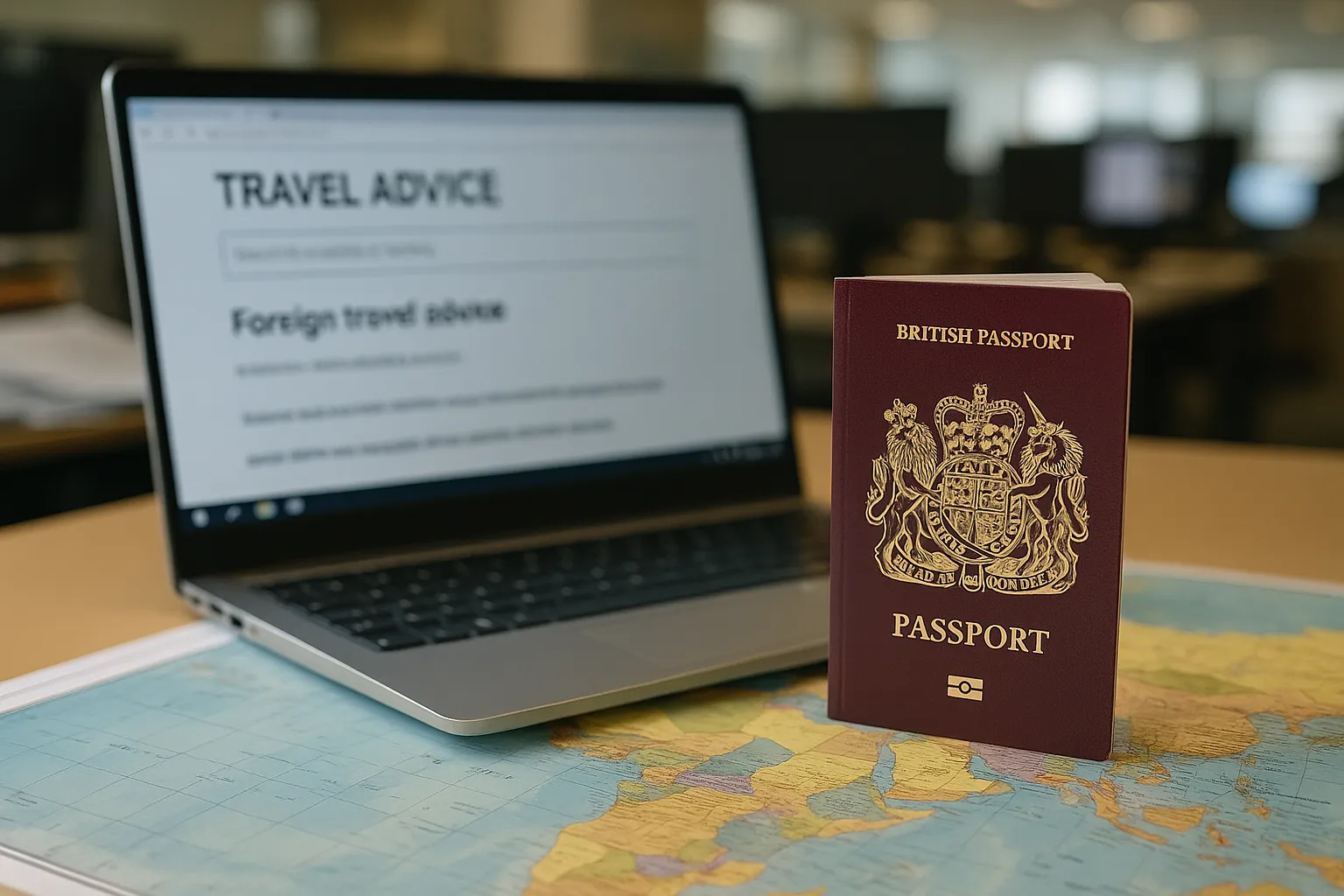
The advice, available on the Travel Health Pro website, underscores the necessity for holidaymakers to conduct thorough research about their destinations prior to departure. This includes consulting the guidance provided by the Foreign, Commonwealth & Development Office (FCDO) regarding potential security and health issues associated with specific countries.
Experts maintain that following such guidance is essential to ensure personal safety during travels. Travel Health Pro remarked, “Most travellers have a safe, enjoyable trip without any problems, but basic precautions should be taken to help maintain personal safety.” The FCDO echoes this sentiment, advising all UK travellers to adequately prepare and research their intended locations before setting off.
Their guidance encompasses crucial information on local laws and customs, along with country-specific advice on safety and security. “Researching destinations before departure—ideally, before booking a trip—and adhering to FCDO recommendations helps you stay safe,” the office stated.
In instances where the FCDO deems travel risk to be “unacceptably high,” it will issue formal warnings advising British nationals against “all but essential travel” or “all travel” to certain areas. Such information can be accessed by searching for a specific country on the FCDO website, which also allows travellers to sign up for email notifications tailored to their selected destination.
Importantly, visitors are advised that travelling against FCDO guidance could render their travel insurance null and void, significantly impacting their financial protection during unforeseen circumstances.
In addition to the overarching recommendations, Travel Health Pro provides an A-Z guide outlining various considerations for those planning to venture abroad.
One significant point raised is the responsible consumption of alcohol. The guidance notes, “Some accidents and injuries can be prevented by careful behaviour. Alcohol may be a factor, as it can affect judgment and lower inhibitions.” Travellers are encouraged to drink in moderation, particularly in places where alcohol consumption may be restricted.
Moreover, the importance of dressing and behaving appropriately cannot be overstated. Travel Health Pro advises against flaunting wealth and recommends dressing suitably according to local customs. The guidance highlights, “For example, public displays of affection are unacceptable in some regions and alcohol is banned in certain countries.”
When it comes to illicit substances, the message is crystal clear: possessing or trafficking illegal drugs, including cannabis, are serious offenses in numerous nations. As stated by Travel Health Pro, “UK residents caught carrying illegal drugs while visiting or passing through a country will face that country’s laws. These can be much stricter than UK laws, as some countries have a zero-tolerance policy to drug offences.” Offenders could face severe consequences, including arrest, detention, and even lengthy prison sentences if charged. Many transportation hubs, such as international airports and train stations, employ sophisticated security measures to detect contraband, which can include scanning the baggage of those merely transiting through.
For LGBTQ+ travellers, additional considerations are necessary as societal attitudes and legal frameworks concerning sexual orientation and gender identity can vary significantly across the globe. The FCDO advises these travellers to inform themselves about local laws and prevailing attitudes towards same-sex relationships and gender expression prior to their visit.
To access specific advice tailored to their destinations, travellers are encouraged to visit the FCDO country pages, which offer detailed and essential information.
As a final precaution, holidaymakers are urged to take good care of important documents, including travel insurance details, emergency contact numbers, and personal belongings. Keeping these items safe and accessible can help ensure a smoother travel experience.
With summer approaching and international travel on the rise, this guidance serves as a crucial reminder for UK residents. By conducting proper research and adhering to established safety protocols, holidaymakers can enhance their travel experience and mitigate potential risks during their journeys abroad.
In an age where travel is more accessible than ever, taking the time to prepare adequately has never been more vital. By following these recommendations, British travellers can embark on their adventures with increased confidence and peace of mind.
Our Thoughts
To enhance safety for UK holidaymakers, several measures can be implemented based on the article’s advice. Firstly, prior to travel, individuals should rigorously review the guidance from the Foreign, Commonwealth & Development Office (FCDO) regarding their destinations. This includes understanding potential health and security threats, which is fundamental under the Health and Safety at Work Act 1974 that mandates risk assessment for safety.
Moreover, travellers should be made aware of the implications of travelling against FCDO advice, including the possibility of invalidated insurance—a factor that speaks to the importance of informed decision-making. Awareness campaigns on responsible alcohol consumption and the legal implications of carrying drugs could diminish risks associated with personal safety and legal infractions, aligning with regulatory requirements concerning health and safety in public spaces.
Finally, educating travellers on respecting local customs and behaviours is vital to minimize risks of conflicts and disorientation abroad, as outlined in the Management of Health and Safety at Work Regulations 1999. Overall, a proactive approach in disseminating safety information can prevent many incidents before they occur.