















Story Highlight
– Worker injured at Babcock’s Devonport dockyard site.
– Incident involved HMS Audacious, a nuclear-powered submarine.
– Injured individual is a Babcock engineering apprentice.
– Investigation launched; HSE aware of the situation.
– Babcock prioritizes employee wellbeing and safety.
Full Story
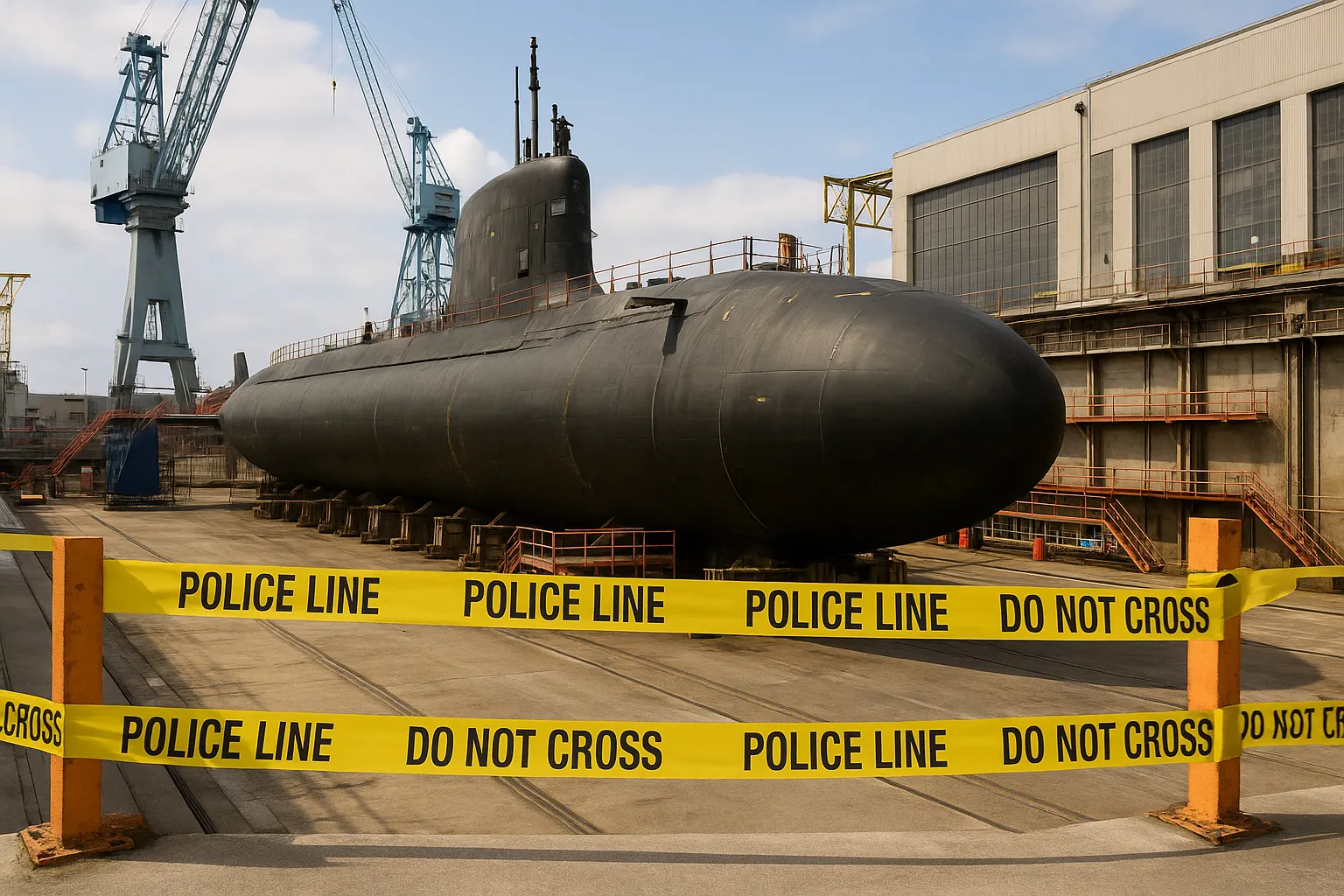
A serious incident has resulted in a staff member being hospitalised at the Babcock facility located within the Devonport dockyard in Plymouth. The event transpired when the apprentice was engaged in work on a nuclear-powered submarine, specifically HMS Audacious, during maintenance operations.
According to reports, the unfortunate incident occurred on 2 April 2026. The individual, who is an apprentice at Babcock, was reportedly employed on HMS Audacious at the time. The exact nature of the injuries sustained has not been disclosed, and Babcock officials have refrained from commenting further on the matter, citing the need to respect the privacy of the individual involved.
In a statement, a representative from Babcock confirmed the occurrence of the incident and emphasised the company’s commitment to the wellbeing of its employees. They stated: “On April 2, a Babcock colleague was taken to hospital following an incident at our Devonport site and our focus is on their wellbeing. An investigation is underway to establish the cause of the incident. The health and safety of everyone working across our operations is our absolute priority.”
The Health and Safety Executive (HSE), which oversees work-related health and safety matters in the UK, has announced that it is aware of the incident and is currently conducting inquiries. A spokesperson for the HSE remarked, “We are aware of this incident and making enquiries.”
HMS Audacious is notable for being part of the Royal Navy’s Astute-class submarines. This particular vessel arrived in Plymouth in 2023 and underwent a series of maintenance procedures while secured in the dry dock. Launched in April 2017, HMS Audacious is recognised as the fourth submarine within the Astute series, reflecting significant advancements in military submarine technology.
In 2023, HMS Audacious completed an 11-month operational patrol in the Mediterranean before docking for maintenance in Plymouth. During its deployment, teams of divers conducted intricate underwater repairs on ballast tanks that had suffered partial flooding—an essential component for maintaining the submarine’s buoyancy.
The ongoing investigation is set to explore the circumstances surrounding the incident, with authorities keen to ensure workplace safety standards are upheld to prevent any recurrence. The well-being of the injured apprentice remains a priority, and further updates are anticipated as investigations proceed.
In light of this incident, it underscores the high-stakes environment associated with maintenance and operation of military vessels, particularly those that are nuclear-powered. The process of ensuring safety for personnel in such technical and potentially hazardous workplaces is of paramount importance.
As the situation develops, the local community in Plymouth is keenly aware of the significance of the naval base to the region. The Devonport dockyard serves not only as a vital military installation but also as a major employer, underpinning local economic stability. Consequently, incidents that affect operations directly impact the wider community, raising concerns about health and safety protocols.
Babcock International Group, the engineering firm responsible for managing the Devonport naval base operations, has a longstanding history and is well-regarded within the defence sector. Their commitment to health and safety has previously been demonstrated through various initiatives aimed at fostering a safe working environment for all employees.
However, this incident highlights the inherent risks associated with the repair and maintenance of complex naval vessels. Experts in the field recognize that the operation of nuclear submarines requires rigorous safety measures, extensive training for personnel, and adherence to strict regulatory standards set forth by bodies such as the HSE.
As investigations continue, industry experts may weigh in on the implications of this incident. Local labour unions, representing affected workers, might also voice their perspectives on the adequacy of training and workplace safety measures in keeping employees safe during demanding tasks.
The incident not only raises immediate concerns but may also spark a wider discussion regarding workplace health and safety protocols within similar environments across the UK. The outcomes of the investigation could lead to recommendations for improvements or changes within the industry.
As of now, the focus remains firmly on the recovery of the injured apprentice and ensuring that all necessary measures are taken to protect the health and safety of staff at the Babcock site in Devonport. The naval base will undoubtedly remain in the spotlight as further details come to light and as the inquiry unfolds.
Our Thoughts
To prevent the incident at the Babcock site, key safety measures could have included enhanced risk assessments and safety training tailored for apprentices working on complex systems like nuclear submarines. Specific training on handling equipment and managing hazards in confined or high-risk environments is essential under the Management of Health and Safety at Work Regulations 1999.
Moreover, the Control of Substances Hazardous to Health Regulations 2002 mandates adequate measures for employees working near hazardous materials, which may apply considering the nature of submarines.
The lack of detailed information about the incident suggests potential failings in incident reporting and management systems, which need to be robust to comply with workplace safety regulations. Furthermore, proper supervision and mentorship for apprentices should be strengthened to ensure that less experienced workers are guided effectively.
The Health and Safety at Work Act 1974 emphasizes the responsibility of employers to ensure, as far as reasonably practicable, the health and safety of their employees. Adhering to this framework and implementing a culture of safety could mitigate similar incidents in the future. Regular audits and safety drills would also aid in identifying risks proactively.