













Story Highlight
– New Manchester Village Pride aims to rebuild trust.
– Organisers signed agreement for fair pay and safety.
– Liquidation of Manchester Pride left debts of £1.3m.
– Event scheduled for August 28-31, 2026.
– First UK union agreement for a Pride event signed.
Full Story
Organisers of the newly established Manchester Village Pride have announced a significant agreement aimed at restoring confidence following the liquidation of the previous Manchester Pride organisation. This initiative, which indicates a new chapter for LGBTQ+ celebrations in the region, is set against the backdrop of the challenges that led to the earlier organisation’s demise.
The previous Manchester Pride, a highlight of the city’s summer calendar, held its last festival over the August Bank Holiday in 2025. Despite featuring performances from high-profile artists such as Leigh-Anne, Nelly Furtado, and Olly Alexander, the organisation soon faced instability and entered voluntary liquidation. Factors contributing to this outcome included escalating operational costs, diminishing ticket sales, and an unsuccessful bid to secure the EuroPride 2028 event, all culminating in a financial crisis that left a considerable number of artists and suppliers unpaid.
In response to this turmoil, a new Community Interest Company (CIC) has been formed, comprised of key stakeholders from the Gay Village and other essential partners. This CIC will host the revamped Manchester Village Pride, promising a celebration that is once again connected to the community’s roots and ethos. Scheduled to take place over four days from Friday, 28 August to Monday, 31 August, the event will encompass various activities including a parade, village parties, and commemorative vigils.
The return of Manchester Village Pride aims to revive the spirit of inclusivity and celebration. Carl Austin-Behan, co-director of the CIC and previously the LGBTQ+ advisor to Greater Manchester Mayor Andy Burnham, expressed the desire to create a vibrant and welcoming atmosphere that reflects the values of the local LGBTQ+ community. This year’s parade is themed “No Place Like Home,” drawing inspiration from the classic story “The Wizard of Oz” and focusing on themes of belonging and acceptance.
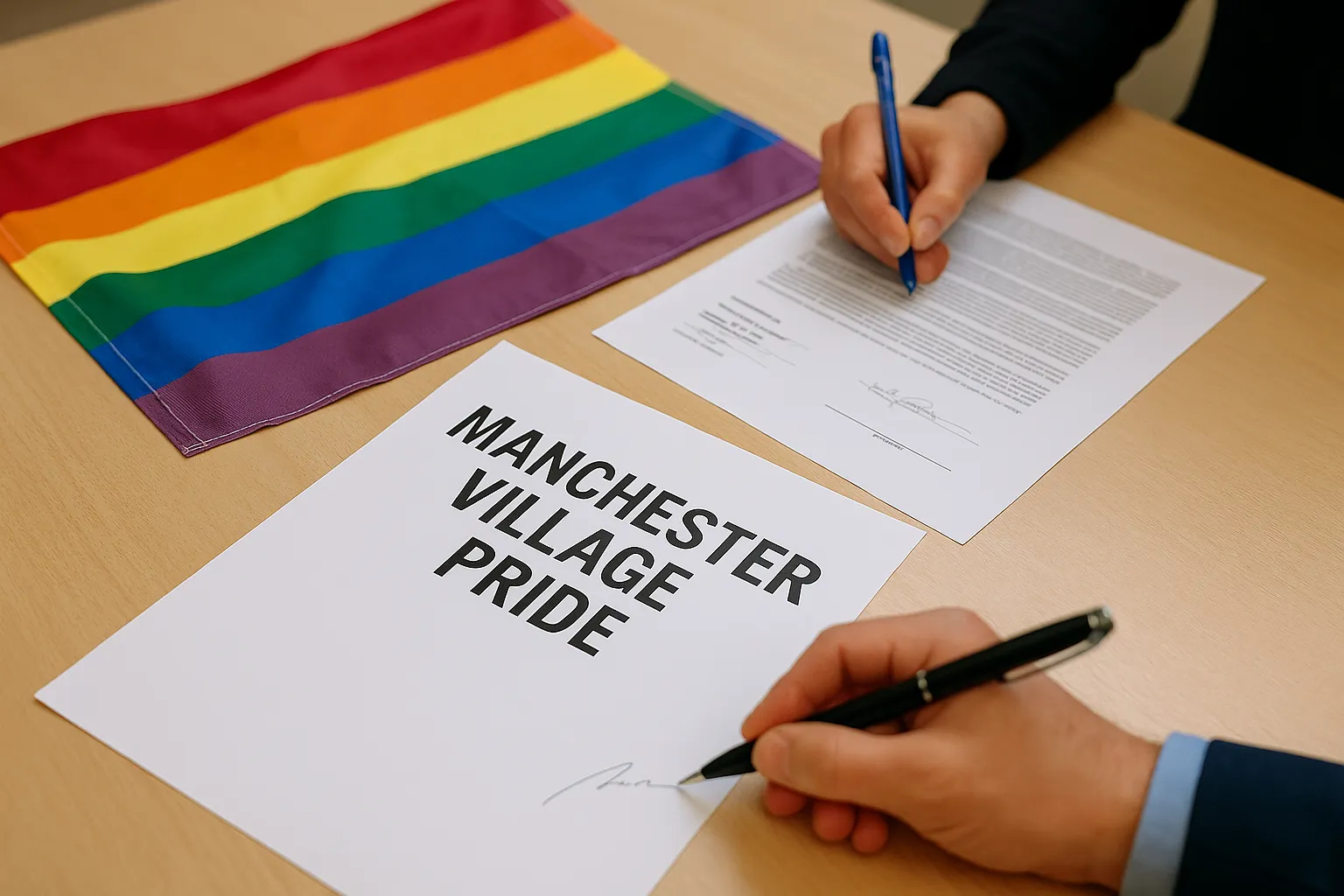
In an important development announced on April 9, Manchester Village Pride has formalised a groundbreaking agreement with the performers’ union, Equity. This agreement guarantees essential protections for drag and burlesque performers participating in the festival, ensuring fair pay, adherence to health and safety standards, and safeguarding against bullying and harassment. This move comes as a response to the challenges faced by artists during the previous year’s event, during which many were left without compensation.
Equity, which has often found other Pride events lacking in protective measures, has endorsed this agreement unanimously among its members, marking it as a pivotal point for performers in the industry. The terms include a minimum deposit of 20% for artists and a commitment to 30-day payment periods, a shift from the previously criticised 60-day payment terms that left many performers dissatisfied.
Carl Austin-Behan stated, “It’s crucial for Manchester Village Pride CIC to fulfil our promise of ensuring fair payments for all artists involved in the festival. Today, we are proud to announce this agreement in collaboration with Equity, which stands as the first union agreement of its kind for any Pride event in the UK.” He added that preparations are underway to announce key performers who will grace the main stage at the Village throughout the August Bank Holiday weekend.
Karen Lockney, Equity’s North West Official, expressed enthusiasm regarding the landmark partnership, noting the significance of the agreement in protecting workers’ rights alongside LGBTQ+ rights. She commented, “This agreement represents a necessary safeguarding of performers’ pay and working conditions, reinforcing the principle that celebrations of LGBTQ+ rights must intertwine with the respect for workers’ rights. The signing of this agreement offers a chance to rebuild trust in the community following the dramatic events of last year.”
The agreement entails various health and safety protocols, including a Dignity at Work Policy designed to shield performers from harassment and bullying, a concern that has become increasingly pertinent in the present climate. Equity representatives will be present during the event to offer guidance and ensure that these standards are maintained. Looking ahead, Equity has communicated its intent to enhance this agreement further, laying the foundation for stronger protections for performers at future events, potentially extending into 2027 and beyond.
Manchester Village Pride is heralded as a fresh opportunity for celebration, marked with an essential focus on community inclusivity and the safeguarding of rights for performers. With collaboration at its core, the new CIC is determined to ensure a festival that not only celebrates LGBTQ+ culture but also prioritises the welfare of those who contribute to its vibrancy.
As anticipation grows for what promises to be a memorable event this August, Manchester Village Pride could serve as a template for other Pride festivals across the country, promoting enhanced standards and mutual respect within the LGBTQ+ performance community. This new approach signals a vital step towards rectifying past wrongs and setting a promising direction for future festivities in the heart of Manchester.
Our Thoughts
The liquidation of Manchester Pride highlights several areas where health and safety practices could be improved. Key lessons include the necessity of financial stability planning and transparent contract conditions for performers. The lack of a clear agreement regarding payment terms contributed to the financial distress and unpaid debts after the event, which breaches UK contract law principles.
Additionally, the new agreement with Equity sets critical health and safety standards but should ensure that all performers are treated fairly and paid promptly, aligning with the Health and Safety at Work Act 1974, which mandates the protection of workers’ welfare.
To prevent similar incidents, organizers should implement robust financial oversight, maintain transparent communication with stakeholders, and develop contingency plans to handle financial difficulties. Furthermore, incorporating risk assessments and adhering to the Management of Health and Safety at Work Regulations 1999 would better safeguard performers against bullying and harassment, promoting a safer and more inclusive environment. Regular training sessions on health and safety protocols for all staff involved in the event would also enhance compliance and trust among participants.