













Story Highlight
– 89 horses have died in the Grand National history.
– Celebre d’Allen collapsed post-race, later died from infection.
– Jockey banned for pushing horse despite its struggles.
– British Horseracing Authority reviewing safety measures post-incident.
– Safety improvements aim to reduce future horse fatalities.
Full Story
As the Grand National approaches this year, the equestrian community, including organisers, trainers, and horse owners, are keen to avoid a repetition of the tragic events that have marred the race’s history. A staggering 89 horses have lost their lives while participating in this iconic event. One poignant incident from last year’s race at Aintree involved a 13-year-old horse named Celebre d’Allen. This unfortunate animal collapsed after the race and ultimately succumbed three days later.
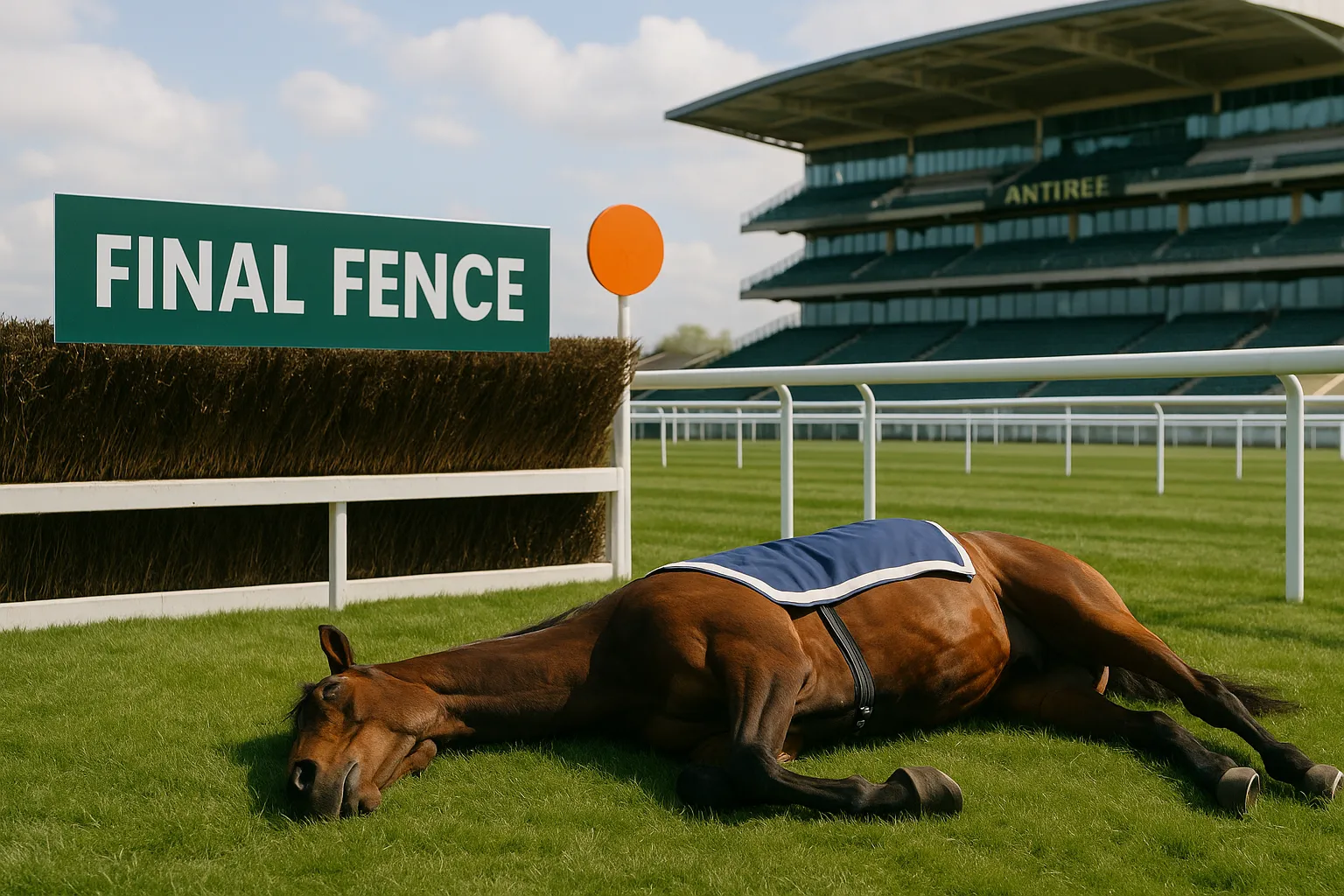
Celebre d’Allen, a 125/1 outsider, exhibited signs of exhaustion as he approached the final fence during the Grand National. His jockey, Michael Nolan, faced repercussions for his actions, receiving a 10-day suspension for continuing to urge the horse forward despite its visible struggles, which were evident at least two fences prior to the finish line. Following the race, Celebre d’Allen required immediate veterinary assistance but, after an initial recovery, his condition worsened, leading to his untimely death.
Trainer Philip Hobbs expressed profound sorrow, stating, “We’re heartbroken to share that Celebre D’Allen has passed away. He received the very best treatment by the veterinary teams and was improving. However, he deteriorated significantly last night and could not be saved. He was a wonderful horse and we will all miss him greatly.”
A subsequent post-mortem examination revealed that Celebre d’Allen had succumbed to a “severe bacterial respiratory infection,” which developed in the wake of the race. Investigations indicated that his immune system had been “severely compromised” following what officials termed an “exercise-associated episode” during the event. Such findings have raised significant concerns regarding the welfare and health of horses competing in high-stakes races like the Grand National.
Animal welfare organisation Animal Aid has vocally condemned the participation of older horses, such as Celebre d’Allen, in such demanding races. They labelled the situation as “disgraceful,” advocating for changes that would safeguard the well-being of the equine athletes.
The British Horseracing Authority (BHA) expressed its condolences for the loss, stating, “All of us at the BHA are saddened to learn of the death of Celebre D’Allen following Saturday’s Randox Grand National. It has been clear to see since Saturday afternoon just how much the horse meant to his connections and we send our condolences to them today.”
Regarding the protocols in place for assessing horses before the race, the BHA confirmed that comprehensive veterinary checks are conducted prior to race day. These measures include observing the horse trotting, a physical examination of the limbs to identify any signs of heat, pain, or swelling, and auscultation of the heart for any irregularities. This extensive evaluation process, regarded as crucial for ensuring the suitability of horses for this arduous race, includes thorough reviews of their veterinary histories and consultations with a panel of experts on the horse’s previous racing performance.
After collapsing on the course, Celebre d’Allen was promptly attended to by on-site veterinary teams and was provided with all necessary care before being moved to advanced veterinary facilities at the racecourse stables, where he received continuous attention overnight. Following improvements in his condition, he was transported to a nearby stud linked to his owners the day after the race.
In light of incidents such as last year’s, the BHA, together with Aintree racecourse, will conduct a detailed analysis of the race and circumstances surrounding any fatalities. This examination is standard practice and aims to enhance safety measures within the sport. Historical data has demonstrated that ongoing reviews have significantly informed changes to racing protocols, including a reduction in the permitted number of runners in the Grand National.
Prior to Celebre d’Allen’s tragic end, the preceding nine races on the Grand National course had not resulted in any fatalities, illustrating potential advancements in safety precautions taken within the sport. The BHA is committed to preventing any further incidents and has reassured the public that their strategies have been developed with a deep respect for the horses involved.
“An inquiry was held to consider whether Micheal Nolan, the rider of Celebre d’Allen, had continued in the race when the horse appeared to have no more to give and was clearly losing ground after the second-last fence,” the authority indicated in a previous statement. This thorough investigation involved interviews with the jockey and veterinary officer, supplemented by reviews of race footage, ultimately leading to Nolan’s suspension.
As the Grand National approaches once more, it remains a pivotal moment for the racing industry to reflect on horse welfare and safety. Stakeholders are under pressure to ensure that each horse is not just a contender for victory but is guaranteed the highest care and consideration throughout their racing careers. As discussions about the future of horse racing continue, the aim remains clear: the protection and well-being of these majestic athletes must be paramount in every facet of the sport.
Our Thoughts
The tragic death of Celebre d’Allen at the Grand National highlights several areas for improvement in equine welfare and safety practices. To prevent incidents like this, stricter enforcement of regulations regarding horse fitness and fatigue should be prioritized. The Veterinary Surgeons Act 1966 and the Animal Welfare Act 2006 impose a duty of care on trainers and jockeys to ensure horses are fit to compete. Improved training protocols that emphasize recognizing signs of fatigue may help prevent push beyond safe limits.
The British Horseracing Authority (BHA) could implement mandatory additional checks to assess horse well-being during the race, ensuring riders cannot ignore visible distress signals. Enhanced education for jockeys on the impacts of pushing horses in distress is crucial.
Finally, the decision-making process regarding allowing older horses to race should be reevaluated, considering Animal Aid’s concerns about the suitability of older horses for such demanding events. Continuous analysis of incidents and regular stakeholder reviews can lead to better management strategies, protecting both horse and rider safety.