















Story Highlight
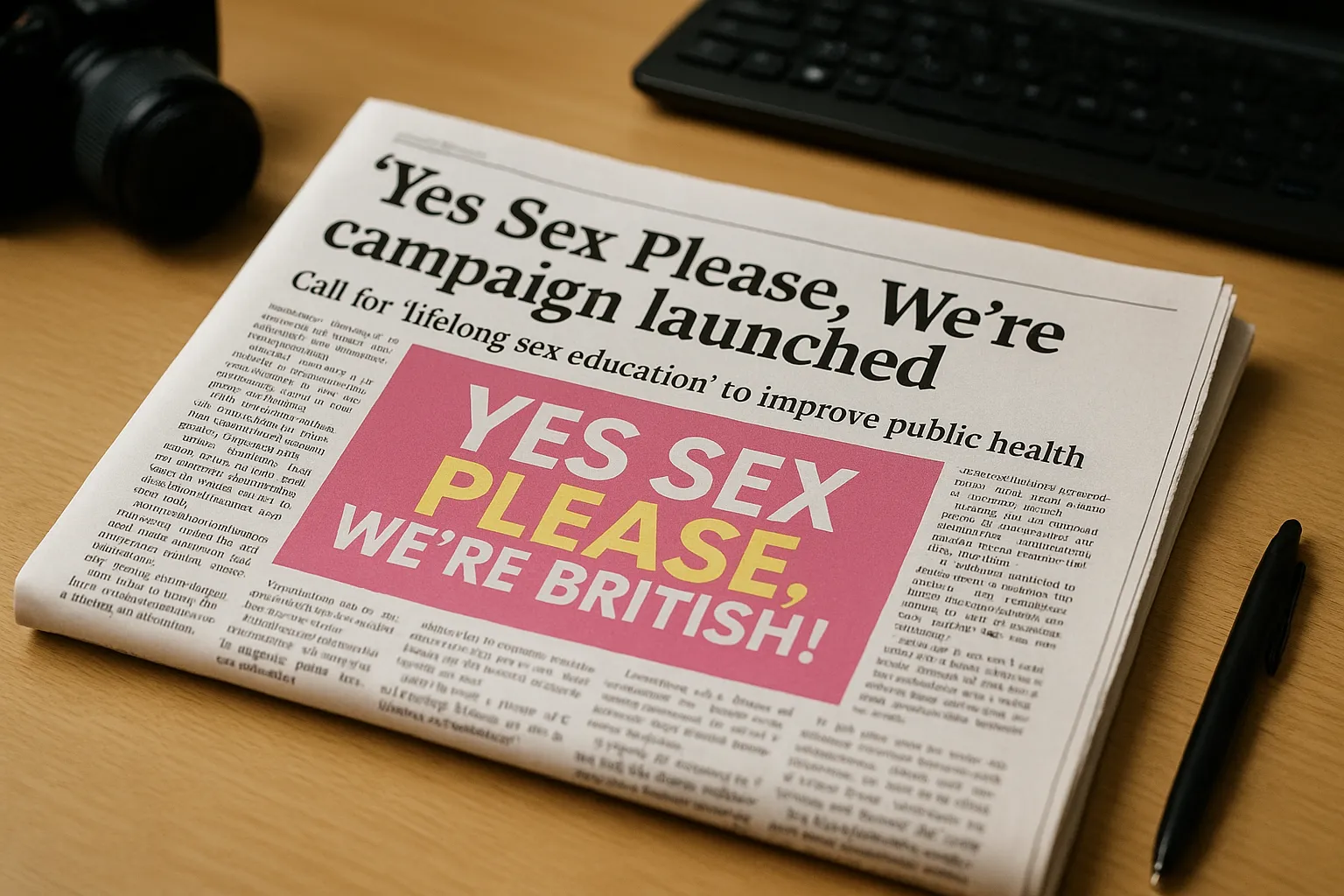
– Call for lifelong sex education to improve public health.
– Focus on consent, respect, and healthy relationships.
– Campaign aims to prevent abuse and violence.
– Education to include various life stages and health issues.
– Objective to normalize discussions about sex and relationships.
Full Story
A Member of Parliament is advocating for comprehensive sex education throughout a person’s life to enhance both public health and safety. Samantha Niblett, the Labour MP representing South Derbyshire, has launched the ‘Yes Sex Please, We’re British!’ initiative, which strives to educate individuals about consent, mutual respect, and healthy relationships. The intention is to reduce instances of abuse and violence.
In collaboration with sex educator Cindy Gallop, Niblett aims to challenge the perception of pornography as the primary source of sex education, which she argues can lead to misconceptions. Niblett emphasised the need for a constructive educational framework that portrays “what is beautiful and normal about real sex and love in real life for every consenting person in the UK.”
To further this agenda, Niblett has arranged for a debate at the House of Commons regarding lifelong sex education, scheduled for early autumn. This debate will address important life phases, such as childbirth, menopause, stress-related issues, and erectile dysfunction, alongside various health conditions that affect people’s lives.
The campaign advocates for a relevant and inclusive approach to sex education that should be incorporated into the public health realm and extend throughout various life stages. Niblett expressed a desire to eliminate the stigma and discomfort often associated with discussions about sex.
She affirmed, “The government is serious about tackling violence against women and girls and about helping boys and men increasingly being drawn into the toxicity of the manosphere to understand their important role in society.” Niblett highlighted the importance of guiding the younger generation away from harmful online content that can skew their understanding of healthy relationships.
“Whilst the government can and is taking action to block and ban harmful content online, we need to ensure we’re educating on what is beautiful and normal about real sex and love,” she stated. Niblett believes that fostering open discussions about positive sexual experiences is crucial. “If we can’t talk about good sex, how can we expect people to talk about bad sex and help keep them safe?” she queried, reinforcing the importance of normalising these conversations.
The topic of sex education has long been a contentious issue within society, with many calling for reforms that reflect evolving cultural norms. Niblett insists that sexuality is an integral part of life, and there should be no associated shame.
The initiative has garnered varying responses, drawing both support and skepticism. Advocates argue that a more informed public would lead to healthier relationships and a decrease in violence, while opponents worry about what they perceive as the sexualisation of children. Niblett addresses these concerns by emphasising an age-appropriate and respectful curriculum that caters to individual developmental stages.
Education around these topics is crucial not just for young people but for adults as well, as many may not have received adequate training during their formative years. The proposed curriculum might also delve into more complex issues such as consent in various types of relationships, communication skills, and emotional health connected to sexual wellbeing.
This campaign comes at a time when the conversation around sexual health is particularly pertinent, as various groups advocate for reforms in how sex education is delivered. The aim is to ensure that it reflects contemporary understandings of consent, respect, and relationship dynamics, recognising that what constituted appropriate education decades ago may no longer suffice today.
Local community feedback has indicated a desire for a shift towards more progressive approaches, suggesting that many individuals agree with Niblett’s perspective. The implication is that there is a generational shift occurring, with younger people becoming more vocal about their needs for a comprehensive approach to sex education.
The upcoming House of Commons debate will ideally further engage lawmakers on this crucial topic, potentially leading to policy changes that could have long-lasting implications for education systems across the UK.
Aside from academic and health-related discussions, the emotional and psychological aspects embedded in sexual relationships are equally vital. These components often get overlooked in traditional educational settings yet can significantly affect individuals throughout their lives.
The initiative led by Niblett and Gallop aims to create a platform where these elements can be openly discussed and presented in a non-judgmental manner. This approach seeks to redefine societal norms surrounding conversations about sex, making it a regular part of public discourse.
As discussions around sexual health evolve, both in parliament and in community settings, the call for lifelong sex education reflects a growing recognition of the need for adaptable and inclusive educational frameworks catering to diverse audiences.
Stakeholders are invited to participate actively in this debate, as it directly impacts societal health and relationships. Individuals and organisations who wish to contribute or highlight related stories can reach out via various channels to ensure that this conversation continues to develop.
Our Thoughts
The article highlights the need for improved public health and safety through lifelong sex education, focusing on consent, respect, and healthy relationships. One key lesson is the importance of proactive education to prevent abuse and violence. Implementing comprehensive sex education aligns with the Health and Safety at Work Act 1974, which mandates that employers ensure the health, safety, and welfare of employees.
To avoid issues related to misunderstanding of consent and the prevalence of harmful stereotypes, educational institutions and public health systems should integrate relevant, all-inclusive sex education into their curricula, promoting open discussions about healthy relationships.
Moreover, there is a breach of the Education Act 1996 if schools fail to provide adequate sex education, which is crucial in fostering a culture of respect and mutual understanding among students.
To prevent similar incidents, ongoing partnerships between educators and health professionals can enhance understanding and resources available to individuals throughout their lives. This would address potential misconceptions and negative influences from unregulated sources, such as pornography, while promoting a safer societal perspective on sex and relationships.