














Story Highlight
– Father committed suicide after dental treatment complications abroad.
– Treatment in Turkey left him without any teeth.
– Emotional distress severely impacted his self-confidence and hope.
– Family criticized care and support provided during crisis.
– Coroner identified missed opportunities for better mental health intervention.
Full Story
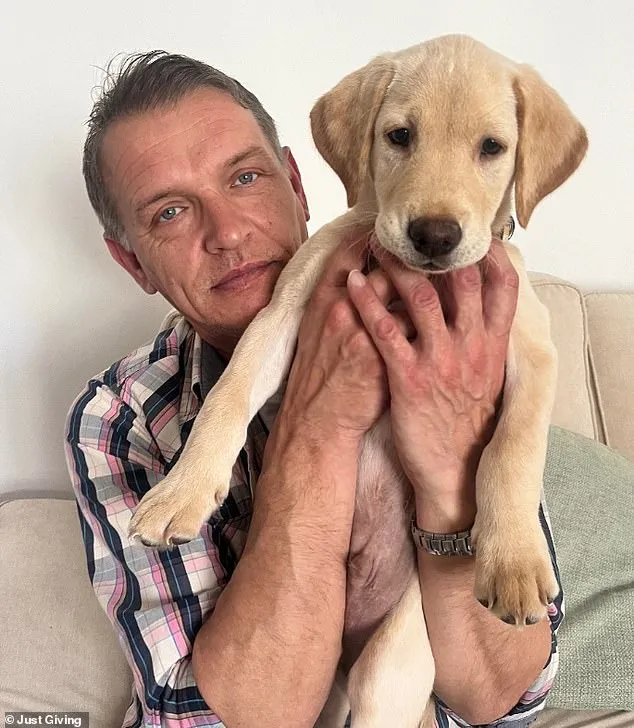
A recent inquest into the tragic death of Pawel Bukowski has shed light on the severe implications of inadequate overseas dental treatment. The 48-year-old from Watton, Norfolk, took the unfortunate step of seeking dental care in Turkey, a choice that ultimately resulted in his untimely passing after he lost all his teeth.
Mr. Bukowski had been struggling with significant dental issues, predominantly caused by periodontal disease, a condition that leads to chronic inflammation and the loss of both teeth and bone. In January 2025, he opted for treatment he believed would restore his smile and confidence, but the outcome was catastrophic. Following the removal of his teeth, he was informed by the Turkish clinic that they could not proceed with permanent implants due to complications related to bone thickness. This news devastated Mr. Bukowski, who had always prided himself on his appearance.
His wife, Daria Bukowska, testified at the inquest that he was a man who took great care of his health and looked after himself. She recounted the emotional turmoil he experienced after his return to the UK, stating, “He was deeply broken emotionally; losing his teeth had destroyed his self-confidence and sense of hope.” Despite the unwavering support from his family, including his daughters, Mr. Bukowski’s mental health began to decline rapidly.
According to Mrs. Bukowska, after receiving the distressing news from the clinic, her husband struggled with basic tasks, including eating. His situation exacerbated his mental health struggles, leading to increased alcohol consumption as a coping mechanism. “He lost all hope that things could improve,” she said, reflecting the desperation that took hold as he grappled with his condition.
On April 24, 2026, Mr. Bukowski was taken to the Norfolk and Norwich Hospital by emergency services. He underwent an assessment early the next day, with a mental health liaison team getting involved. A senior practitioner identified a significant risk of suicide, noting his hopelessness and several concerning indicators. Despite this assessment, the decision was made not to admit him for psychiatric evaluation due to perceived protective factors and some evidence that suggested he might have been planning for the future. A crisis team was set up for ongoing support, and he returned home with advice and medication.
However, on April 28, just days later, a psychiatrist arrived at the Bukowski household three hours late due to staffing issues, discovering that Mr. Bukowski had taken his life. Emergency services responded but were unable to revive him. This devastating outcome prompted the area coroner, Johanna Thompson, to deliver a verdict of suicide, pointing to the impact of the failed dental treatment on his well-being.
“The circumstances surrounding Pawel’s death highlight serious issues in his mental health following the dental treatment in Turkey,” said Coroner Thompson. She noted that his situation deteriorated following the dental procedure, influencing his alcohol use and quality of family life. There were clear manifestations of his intent to end his life, as evidenced by notes and messages he left behind.
During the inquest, it became publicly clear that the care he received after expressing suicidal thoughts had significant gaps. Mrs. Bukowska voiced her discontent with the lack of support and insufficient response from healthcare providers. “He was never given anything to help with the withdrawal symptoms from alcohol… the accumulation of these things, the lack of communication, ultimately led to where we are today,” she stated. Her poignant words encapsulated the family’s feelings: “Pawel may be just another case to people. To us, he was our world.”
Mr. Bukowski’s early life was marked by tragedy; his father died in an accident when he was just 12 years old. Raised by a single mother, he went on to become a well-regarded individual, eventually moving to the UK after living and working in Italy. His life was characterised by his resourcefulness and commitment to family, as conveyed through Mrs. Bukowska’s words highlighting his abilities and interests, from home renovations to a love for fishing.
The case of Mr. Bukowski underscores broader concerns about the risks associated with dental procedures abroad, particularly in nations like Turkey, where costs are significantly lower than the UK. This trend has led to an understanding that not all overseas medical providers uphold the same standards of care found within the NHS.
Highlighting the seriousness of medical tourism, experts have raised alarm over the potential hazards of pursuing cut-price surgeries without adequate follow-ups. This is not an isolated case; similar distressing outcomes have been reported, including the death of a British woman following weight-loss surgery in Turkey.
As the community grapples with this loss, it has prompted discussions on the need for improved mental health support and better safeguards for individuals seeking treatment overseas. Families affected by similar situations stress the necessity for transparent communication and more thorough care processes.
Pawel Bukowski’s family now faces the challenge of navigating life without him, holding on to cherished memories while advocating for awareness around the risks associated with overseas medical procedures.
Our Thoughts
The tragic case of Pawel Bukowski highlights several key areas for improvement in health and safety, particularly concerning the regulation of medical treatments abroad. To prevent similar incidents, better pre-travel assessments and patient education about the risks associated with overseas dental treatments are essential, thereby adhering to the Health and Safety at Work Act 1974, which mandates ensuring the health, safety, and welfare of employees and the public.
Moreover, the failure in Mr. Bukowski’s follow-up care illustrates potential breaches of the Care Act 2014, which emphasizes the importance of safeguarding adults and ensuring they receive appropriate support and treatment. The communication breakdown between healthcare providers and the family also raises concerns regarding the Duty of Care expected within health services, highlighting a need for improved protocols in managing and communicating care plans for individuals exhibiting suicidal ideation.
Implementing stricter regulations on overseas clinics and enhancing the training for mental health professionals regarding patients’ psychological assessment could significantly mitigate risks. Overall, this incident serves as a critical reminder of the importance of comprehensive, cohesive patient care and the potential impacts of inadequate support systems on mental health.