















Story Highlight
– Three cleanrooms established at University of Birmingham’s PHTA.
– £10M funding supports advanced therapeutics production capacity.
– Facilities enhance UK’s response to health emergencies.
– Near-patient biomanufacturing improves access to innovative medicines.
– Strengthens Birmingham’s position in health and life sciences.
Full Story
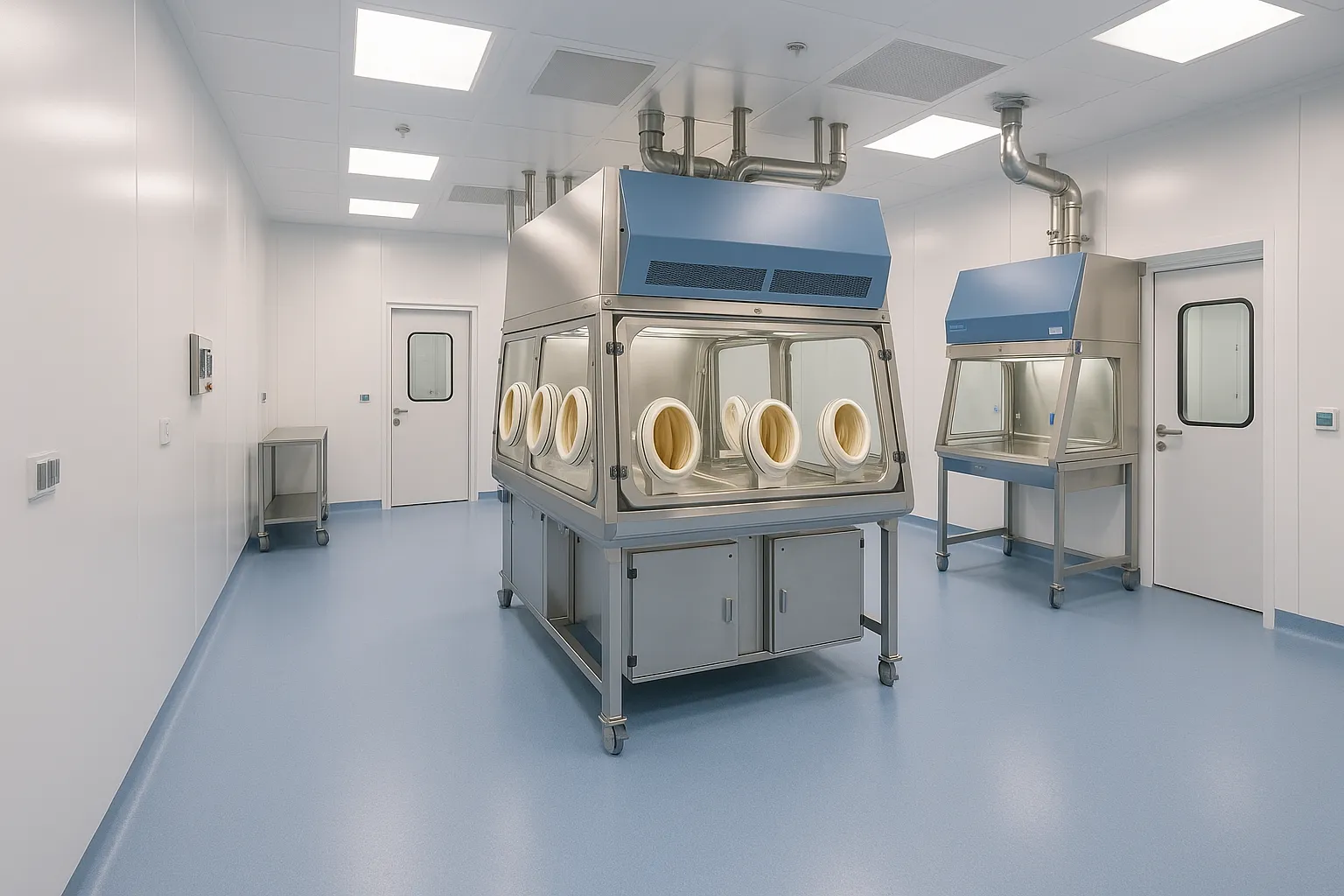
Pharmaceutical advancements are set to take a significant leap forward in the West Midlands, with the establishment of three commercial cleanrooms at the University of Birmingham’s Precision Health Technologies Accelerator (PHTA). This development is backed by the UK Government’s Department for Science, Innovation and Technology, which has announced funding from the Life Sciences Innovative Manufacturing Fund (LSIMF) to support the initiative.
The investment, which totals approximately £10 million, is part of a larger £10.7 million project aimed at enhancing the region’s capacity to manufacture Advanced Therapy Medicinal Products (ATMPs). These include cutting-edge treatments like cell and gene therapies, alongside mRNA vaccines. The presence of these facilities is expected to bolster the UK’s ability to produce innovative medical treatments and conduct clinical trials. Additionally, it will enable faster responses to health emergencies.
Cleanrooms are essential in various sectors, particularly pharmaceuticals and biotechnology, where maintaining a contaminant-free environment is vital. These laboratories are meticulously controlled to regulate factors such as airborne particles, temperature, and humidity, ensuring the highest standards of product integrity are met. The new facilities will meet Good Manufacturing Practice (GMP) standards, further guaranteeing that the products manufactured are of the highest quality.
The cleanrooms will be situated on the Birmingham Health Innovation Campus, strategically located close to prominent clinical research institutions, including the University Hospitals Birmingham NHS Foundation Trust. This proximity is particularly advantageous, allowing for seamless collaboration between manufacturing and patient care.
Professor Gino Martini, CEO of PHTA, emphasised the urgent need for GMP-compliant cleanroom facilities in the region, stating, “The UK, and particularly the West Midlands, urgently needs GMP cleanroom facilities to support the production of Advanced Therapy Medicinal Products and vaccines, including cell therapies and mRNA vaccines, as well as medicines for clinical trials. This new investment will allow us to achieve our point-of-care manufacturing ambitions, ensuring patients get access to the latest, most innovative medicines. Having these facilities in place will also build resilience into the NHS, ensuring future pandemic preparedness.”
The establishment of this biomanufacturing capability is aligned with the UK Government’s priorities, which aim to create a strong domestic infrastructure for health and medical research. Professor Neil Hanley, Executive Director of Birmingham Health Partners and Head of the College of Medicine and Health at the University of Birmingham, remarked on the significance of the funding, noting, “The value of this award is considerable, allowing us to create a comprehensive biomanufacturing capability in the middle of the country, directly adjacent to patients which we know is a priority for the Government and MHRA. The strength and depth of the clinical research environment – including PHTA – sits at the heart of Birmingham’s Health and Life Sciences District and is anchored by the University of Birmingham and its £1bn five-year cycle of research awards in health, medicine and life sciences.”
The creation of the cleanrooms is not only a step towards advancing therapeutic production but also aims to foster resilience within the National Health Service (NHS) against future health crises. The investment reflects a broader ambition within the UK to enhance its capabilities in biomanufacturing, particularly in light of recent global health challenges.
Experts have highlighted the importance of local production facilities in the race to develop and deliver new medications. The COVID-19 pandemic underscored the need for a robust domestic capacity to produce vaccines and other critical therapeutics quickly. By establishing these cleanrooms, the West Midlands is positioning itself as a key player in the life sciences landscape, potentially attracting further innovation and investment to the region.
In addition to enhancing therapeutic availability, the presence of these facilities could significantly boost local economies. The development is expected to create numerous jobs, spanning various roles from research and development to manufacturing and quality assurance. This influx of opportunities could provide a considerable economic boost, addressing employment demands in the post-pandemic recovery phase.
The biomanufacturing capabilities to be developed at the PHTA also promise to facilitate collaborative projects that connect researchers, healthcare professionals, and industry experts. These collaborations could result in groundbreaking treatments that improve patient outcomes and expedite the transition from laboratory innovations to bedside applications.
Moreover, the establishment of the cleanrooms is drawing attention to Birmingham’s Health and Life Sciences District, highlighting the city as an emerging hub for medical research and innovation. As the infrastructure grows, so too will the capacity for pioneering clinical research that benefits not only local populations but also contributes to global health advancements.
In conclusion, the establishment of dedicated cleanrooms at the University of Birmingham’s PHTA marks a pivotal investment in the UK’s health sector. It signifies a commitment to advancing medical technology and therapeutic development while ensuring that local communities benefit directly from these innovations. As the facilities take shape, the West Midlands may soon find itself at the forefront of cutting-edge medical research, with the potential to set new standards in the production of advanced therapeutics.
Our Thoughts
The establishment of cleanroom facilities at the University of Birmingham’s Precision Health Technologies Accelerator (PHTA) highlights the importance of adhering to health and safety regulations in pharmaceutical research. To avoid potential hazards during the operation of these facilities, strict compliance with the Health and Safety at Work Act 1974 and the Management of Health and Safety at Work Regulations 1999 is essential.
Key safety lessons include the need for proper risk assessments and the provision of adequate training for staff working within cleanroom environments. This should encompass understanding contamination control protocols and the safe handling of materials used in therapeutics. Regular audits and inspections should be conducted to ensure adherence to Good Manufacturing Practice (GMP) standards and to identify any areas for improvement.
Potential breaches could arise if contamination control measures are not effectively implemented or if there is inadequate training for personnel. To prevent similar incidents, it is crucial to foster a culture of safety, emphasizing ongoing education and clear communication amongst all staff members regarding health and safety protocols, and ensuring all operations are aligned with the UK’s strict health and safety regulations.