















Story Highlight
– Government updates on legal restrictions for e-scooters.
– Private e-scooter use on public roads remains illegal.
– Rental e-scooter trials ongoing in certain UK areas.
– Safety evaluations of e-scooters to inform future regulations.
– Financial penalties for riding e-scooters illegally enforced.
Full Story
Ministers have issued an update regarding impending modifications to the legal framework surrounding specific types of vehicles, particularly e-scooters. The Government has confirmed a timeline for these changes, anticipated later this year, amid an ongoing initiative to address safety and regulatory issues.
This announcement was prompted by a written inquiry from Labour MP Tahir Ali, who questioned the Government’s efforts to enhance public awareness about the potential risks of severe injuries associated with e-scooter usage. He also sought clarification on the discussions aimed at mitigating accidents linked to these devices.
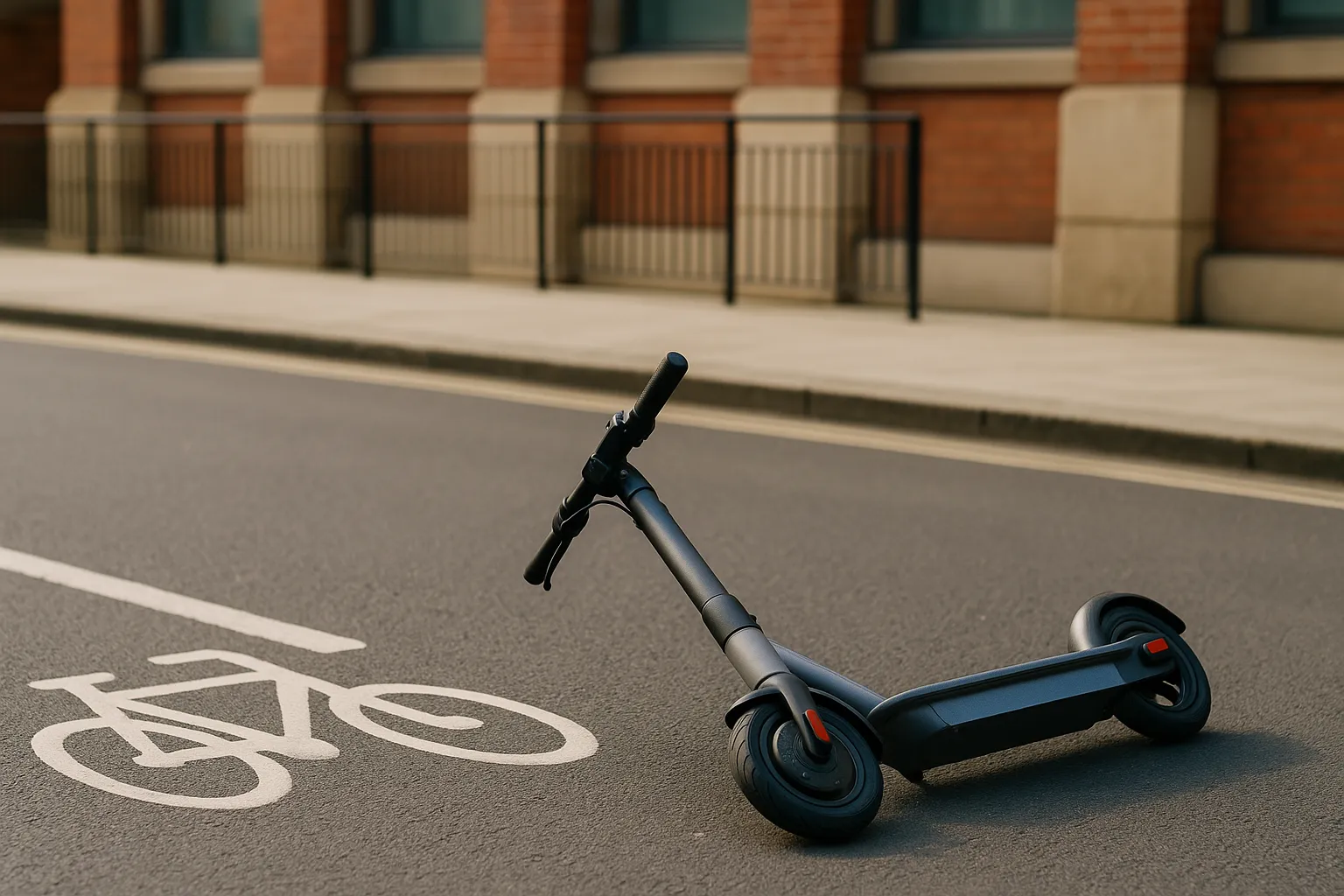
Under current legislation, riding privately-owned e-scooters on public roads or pavements remains illegal. Nevertheless, a pilot scheme has been instituted, allowing members of the public to hire and operate e-scooters in designated areas across the UK through authorised rental firms. These rental scooters can be used on roads and within cycle lanes, but riding them on pavements is prohibited.
Health and Social Care Minister Sharon Hodgson articulated the Government’s stance in response to Mr. Ali’s concerns. She explained that the Department for Transport is actively monitoring the safety implications of e-scooters as part of the ongoing rental trials. “The Department for Transport continues to assess the safety impacts of e-scooters through the rental trials and will share these findings in due course,” she noted. Hodgson emphasised the importance of a safety-first strategy by highlighting the necessity of controlled trials before any potential broader adoption of e-scooters.
In her elaboration on the trial’s future evaluations, Hodgson indicated that the second national assessment will conclude in the summer and will yield updated casualty statistics and additional data to aid in future regulatory decisions. “The Department of Health and Social Care contributes a public health perspective to this work, including consideration of injury prevention and health impacts,” she added, indicating a comprehensive approach involving various governmental departments.
Despite the ongoing trials and discussions, Hodgson reiterated that the legislation regarding private e-scooters remains clear: they are illegal for public use and any enforcement falls under police jurisdiction. Individuals caught riding an e-scooter in violation of the law risk facing monetary fines and points on their driving licences, with the potential of having their vehicles confiscated by law enforcement.
To qualify for hiring an e-scooter, riders must possess either a full or provisional UK driving licence. Those operating with a provisional licence are not mandated to display L plates while riding. Moreover, during the rental period, third-party motor insurance is covered by the rental company.
As discussions surrounding e-scooter regulations continue, safety remains a primary focus for the government. Data collected from the trial schemes forms the basis for any future decisions regarding the legal status of private e-scooter use. The rental schemes aim to provide insights not only into the safety of e-scooter usage but also into its implications for public health.
Local reactions to the trial schemes have varied. Some communities have welcomed the introduction of e-scooters as a step towards modernising transportation options, particularly in urban areas where congestion is a significant problem. Proponents argue that e-scooters could provide a sustainable alternative for short journeys, reducing the reliance on cars and easing traffic flow.
Conversely, concerns persist among local residents regarding safety and the potential for accidents, particularly in areas lacking adequate cycling infrastructure. Critics worry that the increase of e-scooter riders on already busy roads may lead to more injuries and accidents, especially if users do not adhere to the rules set forth by the rental schemes.
Experts in transportation safety have also weighed in on the matter, asserting that any long-term integration of e-scooters into the public transport ecosystem must be accompanied by stringent safety regulations and comprehensive public education campaigns. They advocate for further research into the impacts of e-scooter use, particularly in relation to pedestrian safety and the overall effectiveness of shared transport schemes.
As the government continues to evaluate current practices and safety protocols, rentals of e-scooters remain a popular option among those eager to explore this new mode of transport. The positive reception in some locations could pave the way for broader acceptance, provided that safety concerns are adequately addressed through robust regulation and community engagement.
The future of e-scooters in the UK remains uncertain, hinging on the outcomes of ongoing trials and assessments. With government officials vowing to take a cautious and informed approach, the hope is to strike a balance between fostering innovative transport solutions and ensuring public safety on the roads. As further evaluations are conducted, the Government’s commitment to navigating this emerging transport landscape will be closely scrutinised by both advocates and critics alike.
Our Thoughts
To prevent accidents involving e-scooters, clearer regulations and enhanced public awareness campaigns should be prioritized. The ongoing trial scheme highlights the need for rigorous monitoring and assessment of safety impacts, as stipulated by the Health and Safety at Work Act 1974, which mandates the control of risks associated with vehicle use in public areas.
Key safety lessons include the importance of rider education on safe operating practices and the risks involved. Regulatory bodies could establish mandatory training for users of rental e-scooters to comply with Regulation 7 of the Management of Health and Safety at Work Regulations 1999, which emphasizes risk assessment and appropriate training.
Furthermore, the lack of requirement for L plates while riding with a provisional licence raises concerns over accountability and rider competence. Strengthened enforcement of existing laws against the illegal use of private e-scooters, along with rigorous accident reporting requirements, could help inform future legislation and prevent similar incidents.
Overall, a proactive approach involving both public education and strict adherence to health and safety regulations is essential in mitigating risks associated with e-scooter use.