















Story Highlight
– UK may introduce mandatory eye tests for drivers over 70.
– 33,000 licenses revoked for failing eyesight standards since 2022.
– Older drivers (70-79) account for most revocations.
– Driving with defective vision can lead to severe penalties.
– Experts recommend eye tests every two years for all.
Full Story
Motorists aged 70 and above in the UK may soon be subjected to mandatory eye examinations as part of the Government’s overarching Road Safety Strategy unveiled earlier this year. This potential policy shift highlights concerns regarding the ageing driving population and aims to bolster road safety.
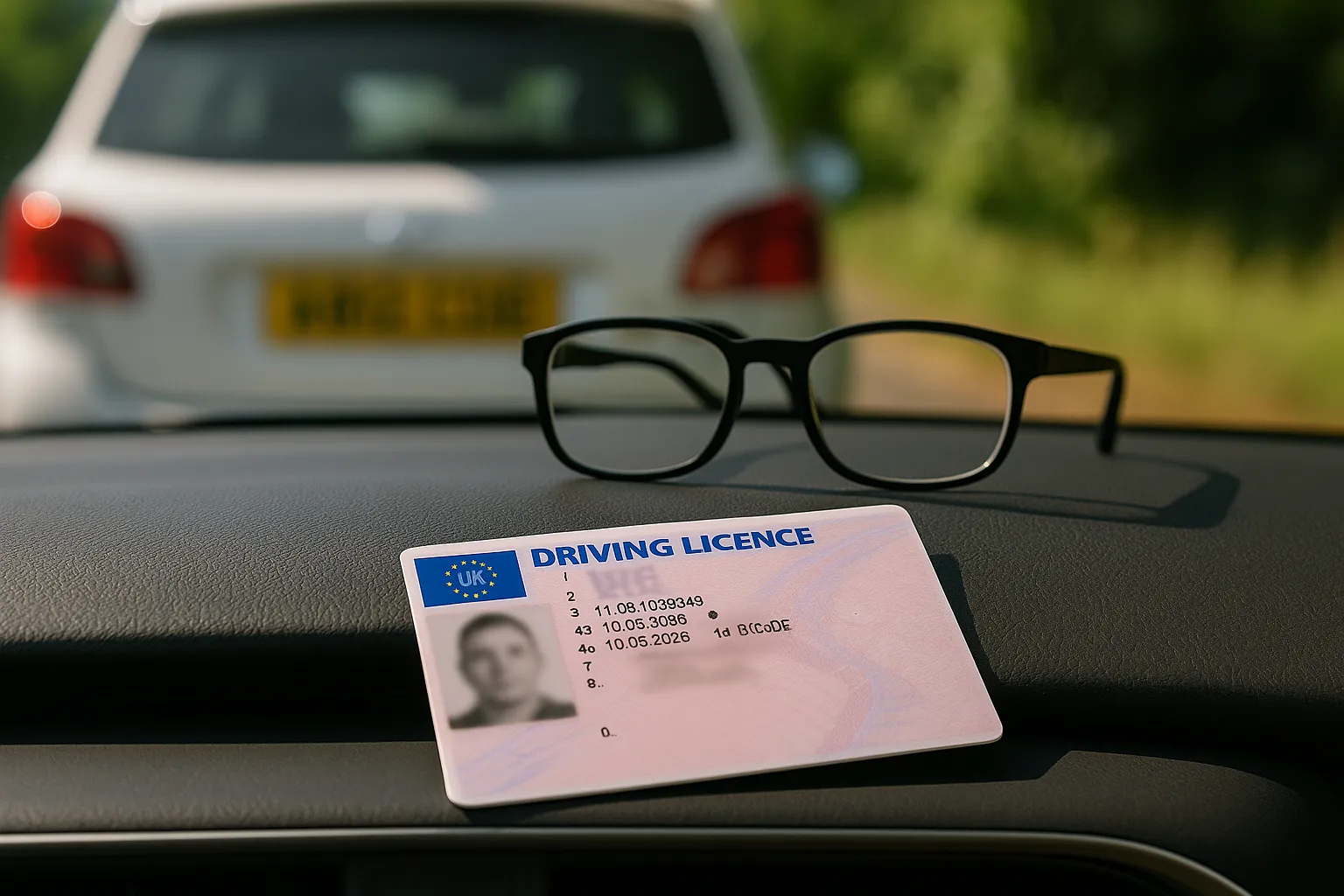
Currently, once individuals acquire their driving licences, they are not required to undergo routine health or skills checks, irrespective of age. Nonetheless, it is crucial for drivers to inform the Driver and Vehicle Licensing Agency (DVLA) if they experience a decline in their capability to drive safely.
Recent statistics illustrate the gravity of the issue, revealing that in the past four years, nearly 33,000 motorists have faced the revocation of their driving licences or had their applications denied due to not fulfilling legal eyesight requirements. Specifically, data obtained through a Freedom of Information request indicates that older drivers, particularly those aged between 70 and 79, represent the highest number of infractions. Alarmingly, over 6,500 individuals under 55 also lost their licences for similar reasons, underscoring that vision deterioration is a widespread concern, not solely confined to older motorists.
Under current regulations set to take effect in 2026, law enforcement possesses the ability to conduct immediate roadside eyesight assessments. Should a driver fail the 20-metre number plate test, their licence can be revoked immediately, with swift notification sent to the DVLA.
Simon England, the founder of ALA Insurance, raised important warnings about the potential risks posed by motorists who may be unaware of their deteriorating vision. He pointed out that gradual declines in eyesight can often go unnoticed until significant impairment occurs. “Losing your licence is life-changing,” Mr England stated. “But the safety risk of driving with impaired vision is even more severe.”
He elaborated on the insidious nature of eyesight deterioration, which may advance so slowly that individuals are unaware of the changes until problems become acute. “By the time you realise you’re struggling to read a road sign, you may have already been driving below the legal limit for some time.”
The implications of driving with uncorrected vision are serious. Offenders may face a fine of up to £1,000 and three penalty points on their driving record. Furthermore, those involved in an accident while failing to meet eyesight standards could face more severe legal repercussions, including charges of Dangerous Driving, which could lead to imprisonment.
Mr England also identified several indicators, or ‘red flags,’ that suggest drivers should consider scheduling an eye test promptly. These signs include:
– Squinting
– Night blindness and glare sensitivity
– Frequent headaches
– Difficulty reading number plates
– Experiencing double vision
He passionately encouraged all drivers, irrespective of their age, to undergo a professional eye examination at least every two years. “In the eyes of the law, ‘I didn’t realise’ is not a valid defence,” he asserted. “Protecting your vision is the simplest way to protect your licence and, more importantly, the safety of everyone on the road.”
The proposed introduction of mandatory eyesight tests for older drivers has sparked discussions about the balance between personal freedom and road safety. Some experts believe that implementation of such measures would significantly reduce the risks associated with deteriorating vision in an ageing driver population. Conversely, opponents argue that these measures may be an undue burden on older motorists who may still be perfectly capable of driving safely.
As the government considers these changes, public opinion is likely to play a crucial role. The potential impacts of mandating eye tests for older drivers can have far-reaching consequences, not only for the individuals affected but for the fabric of road safety across the nation.
A poll accompanying discussions suggests that many in the public are keen to express their views on this issue, signalling a growing recognition of the importance of vision health in driving safety.
In summary, the conversation surrounding mandatory eye tests for drivers over 70 highlights a vital aspect of road safety and the challenges that arise as society ages. The initiative to potentially implement such measures reflects ongoing efforts to ensure the safety of all road users and address the increasing prevalence of vision-related issues affecting drivers. With the implications of these discussions still unfolding, stakeholders from various sectors will likely continue to engage in meaningful dialogue on the best path forward for road safety in the UK.
Our Thoughts
To enhance road safety and minimize the risk of incidents related to impaired vision, several measures could be considered based on the insights provided in the article. First, implementing mandatory eye tests for all drivers at regular intervals, particularly for those over 70, would align with proactive health and safety practices outlined in the Road Traffic Act 1988.
The recent data revealing that a significant number of licenses were revoked due to failing eyesight indicates a clear breach of the duty of care drivers owe to themselves and others under the Health and Safety at Work Act 1974. Regulations stipulate that individuals must ensure their fitness to drive.
To prevent similar incidents, educational campaigns should be established to raise awareness about the gradual deterioration of vision and encourage regular eye testing. This aligns with the principles of the Management of Health and Safety at Work Regulations 1999, which emphasize the importance of risk assessment and preventive measures.
In summary, mandating eye tests, promoting awareness of visual health, and putting supportive frameworks in place could significantly enhance road safety for all.