















Story Highlight
– Company fined £350k for storage tank collapse.
– Incident caused life-changing injuries to Scots worker.
– Safety regulations reportedly not followed by the company.
– Workers at risk due to insufficient safety measures.
– Ongoing investigations into operational safety practices.
Full Story
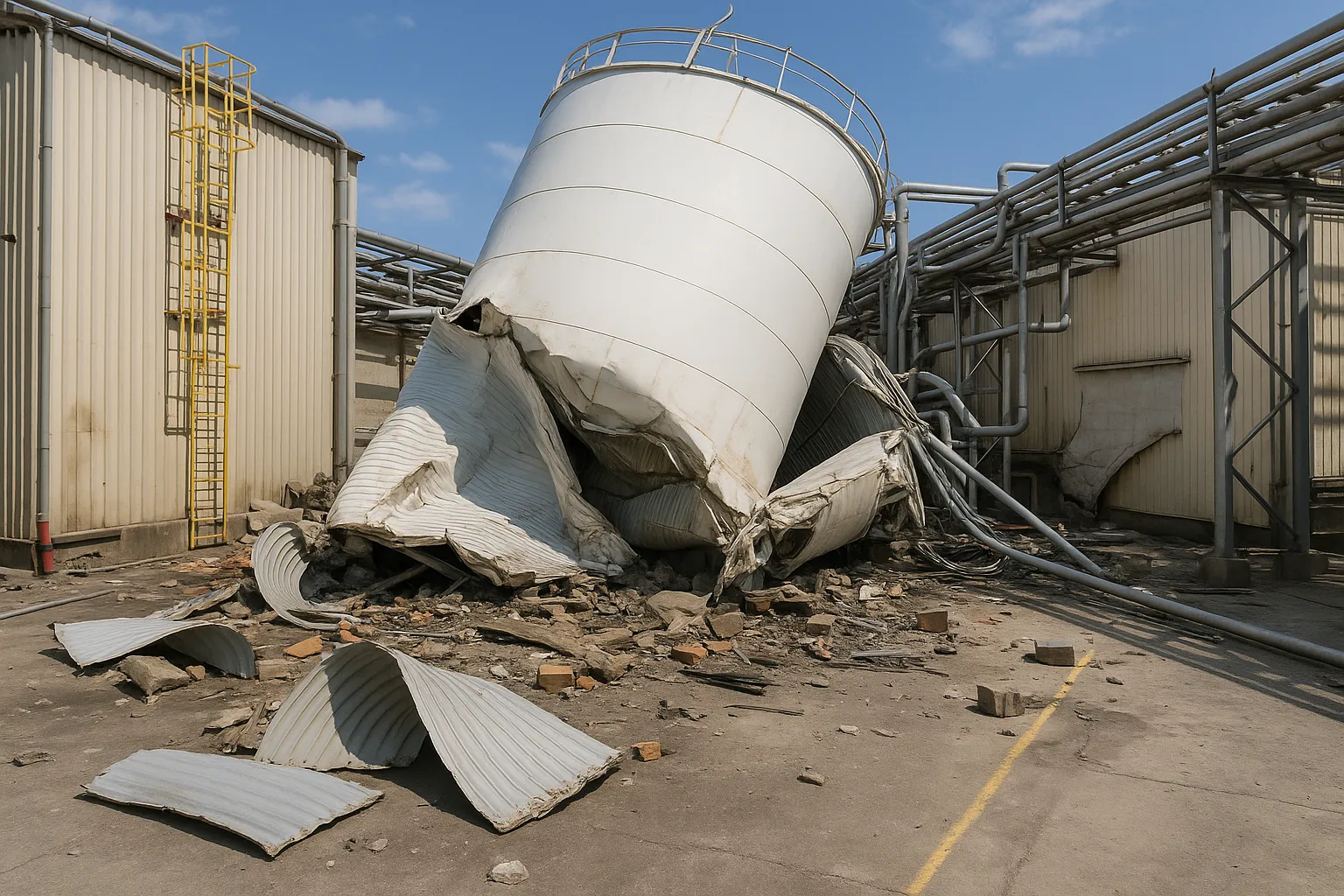
A significant penalty has been imposed on a company following a devastating incident involving the collapse of a storage tank, which resulted in a Scottish worker suffering severe and life-altering injuries. The incident has raised serious questions regarding workplace safety standards and the protocols in place to protect employees.
The Health and Safety Executive (HSE) conducted an investigation into the incident, which occurred in 2019 at a facility in East Dunbartonshire. The storage tank, which was designed to hold liquid waste, failed catastrophically, leading to a deluge of hazardous material that engulfed the area where workers were performing their duties. The conditions at the time of the collapse were said to have been unsafe, with inadequacies noted in the construction and maintenance of the tank.
As a result of the incident, the unnamed worker sustained extensive injuries, necessitating long-term medical treatment and rehabilitation. The physical and psychological impact of the accident has been profound, forcing the individual to reevaluate their career and lifestyle due to the limitations imposed by their injuries.
In a recent court ruling, the company responsible for the storage tank was fined £350,000. The court highlighted the serious failings that led to the incident, pointing to a lack of proper risk assessment and an insufficient safety management system. This ruling serves as a reminder of the importance of adhering to health and safety regulations in high-risk environments.
HSE officials stated that this incident could have been avoided had the company implemented and enforced the right safety protocols. “Employers have a duty to assess potential risks and ensure a safe working environment for their employees,” said an HSE spokesperson. “This case highlights the dire consequences that can arise from neglecting this responsibility.”
The fine levied against the company is significant, but many argue that financial penalties alone are insufficient to guarantee future compliance. Local safety advocates have expressed concerns that safety regulations in certain sectors are not being enforced rigorously enough, which places workers’ lives at risk. “We need stronger regulations and enforcement measures to ensure that all workers can feel safe at their jobs,” said Margaret Smith, a representative from a local trade union. “This tragic incident is a wake-up call for our industry—it’s time to prioritise safety over profits.”
The emotional toll of the incident on the affected worker and their family cannot be understated. Friends and relatives reported how the injuries have transformed the victim’s life, affecting not only their physical capabilities but also their mental health. Support groups have been crucial in helping the worker come to terms with the changes, but the path to recovery remains arduous.
Legal experts also weighed in on the broader implications of this ruling. “While fines may seem like a deterrent, they do not fully address the human element of such incidents,” said Brian Adams, a solicitor specializing in workplace injuries. “There needs to be a shift in culture within companies, prioritising safety and care for employees as paramount.”
The incident has sparked a renewed conversation about workplace safety across various industries, particularly those involving heavy machinery and hazardous materials. Experts are calling for a comprehensive review of safety regulations, suggesting that more frequent inspections and robust enforcement measures could prevent similar occurrences in the future.
“We must do more than just react to tragedies like this,” said Dr. Alison Browne, an occupational safety researcher. “Prevention is key, and that requires a collaborative approach between employers, regulatory bodies, and workers themselves.”
As the company embarks on a commitment to improve its safety measures, the ramifications of the court ruling will likely resonate far beyond the immediate case. Stakeholders hope that this incident will spur industry-wide changes, leading to enhanced protocols that safeguard workers from the dangers associated with such operations.
Public opinion has also played a crucial role in the aftermath of the incident. Community members have voiced their support for the injured worker, advocating for greater awareness regarding workplace safety issues. The local council has pledged to engage with citizens to ensure that their voices are heard when it comes to safety measures in their area.
In conclusion, while the £350,000 fine serves as a punitive measure for the company involved in this horrific incident, it also underscores a critical need for systemic change within industries at risk of similar accidents. The tragic collapse of the storage tank is not just a reminder of the vulnerabilities present in hazardous work environments, but also a call to action for all stakeholders to work together to create safer workplaces. As discussions continue around reforming safety regulations, one hope remains: that no worker will have to endure the life-altering consequences of negligence again.
Our Thoughts
The incident involving the catastrophic collapse of a storage tank highlights significant failings in health and safety practices. Key lessons include the necessity for thorough risk assessments and regular safety audits in compliance with the Health and Safety at Work Act 1974, which mandates employers to ensure the health and safety of employees and others affected by their operations.
To prevent such incidents, the company should have implemented more robust maintenance schedules and inspections as per the Management of Health and Safety at Work Regulations 1999. This includes ensuring that all equipment, like storage tanks, is appropriately designed, used, and maintained.
Further, training for employees on the risks associated with working around such equipment is crucial, in line with the Provision and Use of Work Equipment Regulations 1998, which require training and retraining of staff using potentially hazardous equipment.
The failure to adhere to these regulations may have directly contributed to the incident, making it imperative for businesses to prioritize strict compliance and foster a safety culture to mitigate the risk of similar accidents in the future.