















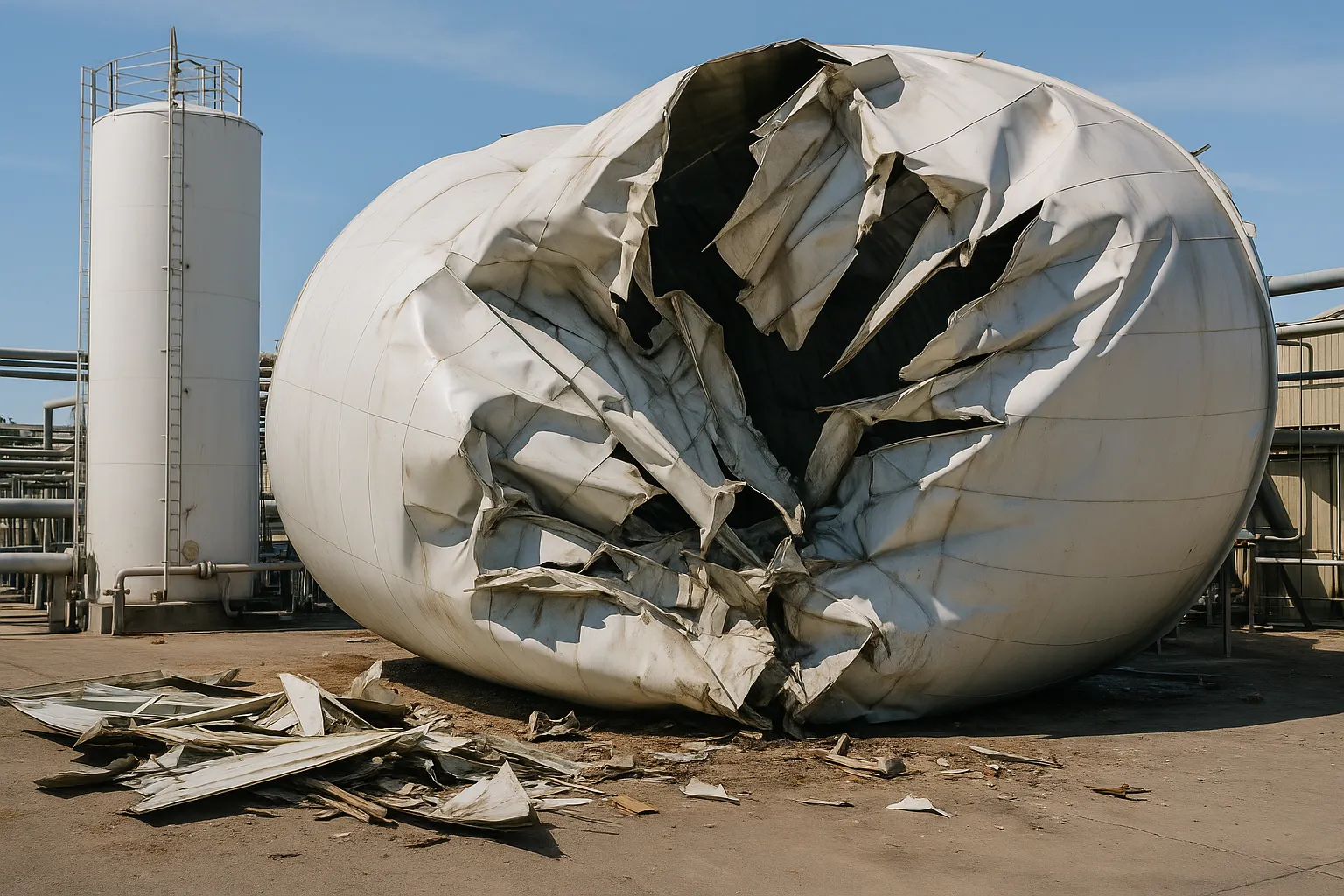
Story Highlight
– Company fined £350,000 for storage tank collapse.
– Scots worker sustained life-changing injuries from incident.
– Safety regulations not followed prior to tank failure.
– Incident highlights need for improved workplace safety.
– Company under scrutiny for neglecting employee safety standards.
Full Story
**Firm Penalised £350,000 Following Storage Tank Collapse that Injured Scottish Worker**
A Scottish company has been ordered to pay £350,000 in fines following a serious workplace incident that resulted in life-altering injuries for one of its employees. The incident, which involved the catastrophic failure of a large storage tank, raised significant concerns regarding safety practices within the organisation.
The case came to light during a recent court hearing where it was disclosed that the company had failed to adhere to established safety regulations. The collapse occurred while work was ongoing at their facility, resulting in severe injuries to a worker, who now faces a long and challenging recovery process.
Details emerging from the court shed light on the circumstances surrounding the incident. It was reported that during scheduled maintenance on the tank, a structural failure led to significant hazards, ultimately resulting in the collapse. Witnesses have described a scene of chaos as emergency services rushed to the site in response to the unfolding disaster.
Judge presiding over the case pointed to the company’s inadequate safety protocols as a contributing factor to the incident. It was highlighted that proper risk assessments had not been conducted, leaving the workforce exposed to unnecessary danger. The court emphasized the importance of maintaining stringent health and safety standards to prevent such accidents in the future.
In delivering the verdict, the judge remarked on the profound impact the injuries had on the worker’s life, stating, “This incident not only caused significant physical harm but also touched upon the immediate wellbeing of the worker and their family.” The financial penalty imposed is intended to not only punish the firm for its oversight but also serve as a deterrent to other businesses regarding the grave importance of workplace safety.
The injured worker, who has chosen to remain anonymous due to privacy concerns, described their daily struggles post-incident, detailing the pain and limitations now present in their life. A spokesperson for the family noted, “The emotional and physical toll this incident has taken is immeasurable. Our loved one faces a long road ahead, both in rehabilitation and in coming to terms with the changes in their life.”
Local safety advocates have reacted strongly to the case, calling for improved oversight of industrial operations within Scottish businesses. Many believe that enhanced training and greater accountability among employers could prevent future incidents. Commenting on the incident, local council member Mary Smith stated, “This stark reminder serves to underline the need for rigorous enforcement of health and safety laws. We owe it to our workforce to ensure their safety is prioritised and that they are able to return home unharmed at the end of their shifts.”
Experts in workplace health and safety have weighed in on the broader implications of the case, suggesting that more could be done to protect workers in hazardous environments. Professor John Williams, a leading authority on occupational safety, stated, “Regulatory bodies must take action to ensure compliance with safety standards is not just seen as a matter of ticking boxes. The consequences of neglect can be devastating, both for workers and their families.”
The Health and Safety Executive (HSE) has indicated that they will be maintaining a close watch on the company’s practices moving forward, ensuring that steps are taken to enhance safety measures. A spokesperson for the HSE commented, “This incident is a stark reminder of the importance of adhering to safety protocols. We are working diligently to reassess oversight in this sector and encourage any individuals with concerns about workplace safety to come forward.”
In light of this incident, employee safety training and awareness initiatives are being proposed throughout the region. Local unions have advocated for employers to invest in comprehensive training programmes that address not only immediate safety but also emergency response protocols, ensuring that workers are prepared in the event of an accident.
In conclusion, the situation highlights the critical need for companies to foster a culture of safety, where workers feel secure and valued. The penalties and ongoing discussions serve as a clarion call to both businesses and regulatory bodies alike, urging them to not only comply with regulations but to embrace a proactive approach concerning employee safety.
As the affected worker embarks on their path to recovery, the case serves as a poignant reminder of the vital importance of workplace safety measures and the profound impact that lapses can have on individuals and their communities.
Our Thoughts
The incident involving the catastrophic collapse of a storage tank leading to life-changing injuries emphasizes significant lapses in compliance with UK health and safety regulations. Primarily, the company may have failed to adhere to the Health and Safety at Work Act 1974, which mandates that employers ensure the health and safety of their workers. The Management of Health and Safety at Work Regulations 1999 further requires proper risk assessments and management of health and safety risks.
Key lessons include the importance of conducting thorough structural integrity assessments of storage tanks and implementing regular maintenance checks to avoid such failures. Additionally, effective training for employees regarding the hazards associated with such structures could prove vital in preventing injuries.
Relevant breaches may also include the absence of adequate emergency procedures, which should be in place to protect workers in case of structural failures. To prevent similar incidents, companies should prioritize a culture of safety, invest in regular training, and ensure compliance with health and safety regulations to safeguard employees effectively.