















Story Highlight
– Nine people, mostly children, died in open water incidents.
– Record temperatures reached 35.1C in England and Wales.
– RNLI warns of high risks associated with outdoor swimming.
– NHS web visits surged for heat-related safety advice.
– Heat health alerts remain in effect across the UK.
Full Story
**Tragic Incidents in UK Open Water Amid Heatwave Prompt Safety Warnings**
Nine individuals have lost their lives in open water incidents across the UK as extreme temperatures have gripped the nation, prompting health and safety officials to urge heightened caution in and around water. The occurrences primarily involved younger swimmers, highlighting an alarming trend during the current bout of hot weather.
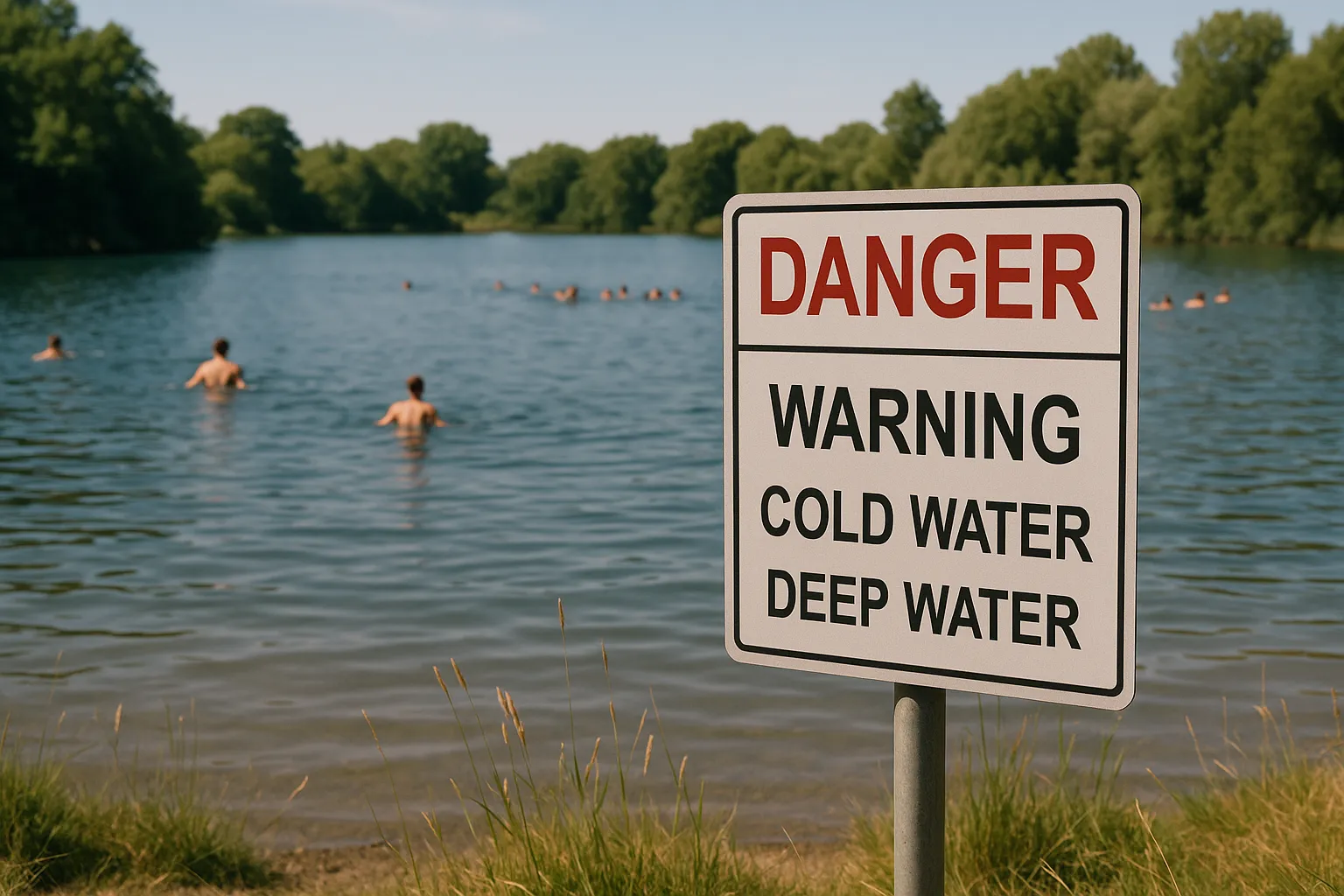
As the country basks in record-breaking temperatures, the Royal Life Saving Society has released a statement stressing the need for individuals to “stop and think” before entering open water. The society acknowledges a concerning correlation between increased temperatures and accidental drownings, underscoring the inherent dangers that remain despite the appeal of refreshing outdoor swims. They further pointed out that, even in warm conditions, water temperatures can still be dangerously cold.
The recent weather has led the Met Office to record unprecedented temperatures, with 35.1°C logged at Kew Gardens and 32.9°C in Cardiff’s Bute Park on Tuesday, marking the hottest day ever for both England and Wales.
Fatal incidents have been reported from various regions, including South Yorkshire, West Yorkshire, Cornwall, and Hampshire, where swimmers have encountered peril in lakes and seas. Among the tragic cases was Declan Sawyer, a 15-year-old boy who drowned at Swanholme Lakes in Lincoln on Sunday. Likewise, a 72-year-old woman tragically passed away at West Angle Bay beach in Pembrokeshire after being rescued from the water.
In West Yorkshire, 13-year-old Reco Puttock lost his life at Leadbeater Dam, while another teenage girl was recovered from Kingsbury Water Park in Warwickshire. On the same day, a man in his sixties died at Tregirls Beach in Padstow while trying to help relatives in distress. South Yorkshire Police discovered the body of a teenager at Rother Valley Country Park, adding to the growing list of fatalities.
Efforts to recover missing individuals have also met with tragedy, as a body was found near Hawley Lake, Hampshire, during a search for a boy who had gone missing after swimming. Additionally, Lancashire Police reported that a 12-year-old boy who ran into trouble while swimming with friends in the River Ribble could not be saved. The situation escalated further when a 17-year-old was confirmed dead after disappearing in Pickmere Lake in Cheshire.
Compounding the situation, Irish authorities revealed a similar tragedy occurred at Burrow Beach near Howth, where a teenage girl also drowned amidst the heatwave.
The Royal National Lifeboat Institution (RNLI) has cautioned the public about the “very real risk” associated with outdoor swimming, especially during this heatwave. The organisation’s spokesperson highlighted the importance of being aware of the dangers present in open water, reiterating the unpredictable nature of these environments.
As the heatwave continues, online searches regarding health concerns spiked dramatically, with NHS web pages recording an astronomical increase in visits. On the bank holiday Monday, there were over 20,000 accesses to the NHS heatstroke advisory page, a stark contrast to the previous week’s numbers. Interest in treatments for sunburn and safety for young children also surged, with visits climbing substantially across the weekend.
Health professionals have been particularly vocal about the dangers posed by dehydration and heat exhaustion, which can escalate to heatstroke, a serious health risk. As a countermeasure, alerts for heat-related health risks have remained active throughout various parts of the UK. The UK Health Security Agency has announced ongoing amber alerts for regions including the South West, South East, and London, alongside yellow warnings for the North West and North East.
Moreover, a yellow thunderstorm warning from the Met Office is now in effect, particularly targeting Wales, the South West, and portions of the Midlands. The warning, anticipated to bring severe rainfall, hail, and strong winds, is in place from Wednesday afternoon into the night, suggesting a potential respite from the heat.
Officials advise continued vigilance and preventative measures, especially for vulnerable groups such as the elderly and young children, who are at greater risk during these extreme temperatures. The public is urged to be particularly cautious around water and to remain informed about health risks associated with high temperatures.
In conclusion, as the UK grapples with these unprecedented weather conditions, the spotlight falls on safety, encouraging the populace to remain alert about the hazards of swimming in open water. The tragic loss of life serves as a stark reminder of the unpredictability of water bodies, even in the face of soaring temperatures that draw many to seek relief. The situation underscores the vital need for awareness, education, and community responsibility to prevent further tragedies.
Our Thoughts
To prevent the tragic drownings during the recent heatwave, several measures could have been implemented. Public awareness campaigns, emphasizing the dangers of swimming in cold open water, especially during warm weather, should have been more prominent. The Royal Life Saving Society’s call to “stop and think” highlights the need for effective communication about water safety.
Additionally, enforcement of safety regulations near open water bodies is crucial. The Health and Safety at Work Act 1974 mandates that employers and owners take reasonable steps to ensure the safety of individuals at their locations. Increased signage warning against swimming and tighter access controls during heatwaves could help mitigate risks.
Furthermore, water safety training programs in schools can educate young people about the hazards of open water, particularly concerning temperature differences and unexpected currents.
The reported fatalities indicate potential breaches of the Management of Health and Safety at Work Regulations 1999, which require risk assessments for activities such as swimming in open water. Implementing stringent safety measures and promoting awareness could significantly lessen the likelihood of similar incidents occurring in the future.