













Story Highlight
– Boris Johnson’s government wasted nearly £10bn on unusable PPE.
– Two-thirds of £14.9bn spent on medical equipment was wasted.
– VIP lane prioritized politically connected suppliers, causing bias.
– Frontline workers lacked adequate PPE during the pandemic.
– UK’s PPE stockpiles were in a perilous state pre-pandemic.
Full Story
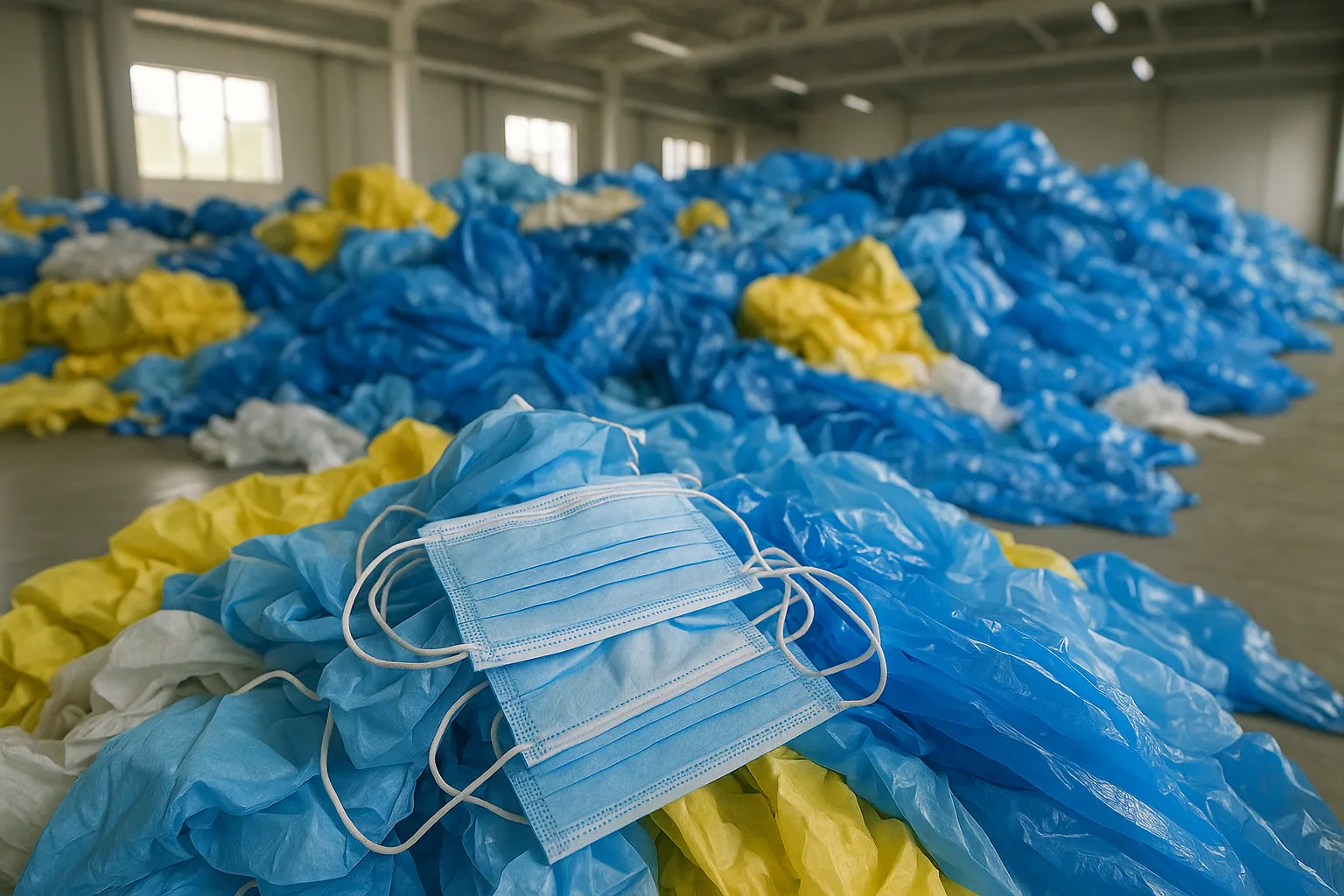
The UK’s handling of personal protective equipment (PPE) procurement during the Covid-19 pandemic resulted in an estimated waste of nearly £10 billion, according to the latest findings from the ongoing inquiry led by Heather Hallett. The inquiry’s fifth report, released on Tuesday, has highlighted significant issues in the government’s procurement processes amidst the crisis, revealing that approximately £14.9 billion was spent on medical equipment, with nearly two-thirds identified as wasted resources.
Baroness Hallett’s report has been particularly scathing regarding the effectiveness and efficiency of the government’s procurement strategy, characterising the level of financial waste as “vast.” She expressed grave concerns over the lack of transparency, fairness, and propriety in the utilisation of public funds during such a critical time. “The public must be able to trust that their money is being spent with propriety, fairness and transparency,” she stated. The report points out that failures in procurement have resulted in a significant erosion of public confidence in the government’s capability to manage emergency situations.
Notably, the inquiry examined the so-called “VIP Lane,” a controversial system intended to expedite the procurement of PPE by prioritising suppliers referred by government officials or senior politicians. The report has deemed this system “misguided,” concluding that it created a bias in favour of suppliers with political connections.
Hallett’s investigation uncovered that those suppliers who went through the VIP Lane had a probability of being awarded contracts that was 13 times higher when compared to other suppliers. However, these contracts frequently came with performance-related issues. While 54 of the 430 suppliers securing contracts via the VIP Lane were flagged as problematic, just 160 of the 15,194 suppliers from the non-VIP Lane achieved the same level of success.
While the findings distinctly noted the inadequate nature of PPE supplies for frontline workers, Baroness Hallett refrained from stating any evidence of corruption or cronyism among ministers or officials regarding contract awards. She recognised, however, that the VIP Lane’s design inherently fostered an unfair environment. “This heightened the risk of abuse,” Baroness Hallett remarked, adding that it diminished public trust not only in the procurement system but also in the government’s overall response to the pandemic. She stated unequivocally, “The High Priority Lane should not be repeated.”
The inquiry further illuminated the unpreparedness of the UK for a pandemic scenario, highlighting existing PPE stockpiles as being in “a perilous state” at the onset of the Covid outbreak. Alarmingly, only one-third of the masks in England’s stockpile were found to be usable. Additionally, Scotland was without necessary supplies of the high-level FFP3 masks critical for healthcare settings, underscoring a systemic failure to ensure adequate protective gear for health and social care workers.
As the pandemic unfolded, many healthcare professionals reported shortages and inadequate safety equipment, raising concerns about the quality and reliability of supplies being distributed. The inquiry revealed that the absence of proper plans for procurement and distribution further jeopardised healthcare workers’ safety during the crisis.
A spokesperson for the Prime Minister described the contents of the report as “difficult reading,” acknowledging the profound impact of the pandemic and reaffirming the government’s commitment to learn from the inquiry’s findings. “This government is committed to learning the lessons from the Covid inquiry so we are protected and prepared for the future,” the spokesperson remarked.
The findings were met with criticism from those representing bereaved families. Nicola Brook, a solicitor from Broudie Jackson Canter, representing the Covid-19 Bereaved Families for Justice group, condemned the inquiry’s conclusions, arguing they reveal a disturbing level of corruption and cronyism that cost the government billions. She stated that the government’s actions had ultimately resulted in a situation where companies sought profit at the expense of human lives, especially as thousands died during the crisis.
During the inquiry into procurement processes, evidence also came to light concerning PPE Medpro, a company previously instructed to return £148 million to the government for breaching its contract. This incident involves a connection to Conservative peer Baroness Michelle Mone and her husband, Doug Barrowman. Both individuals have denied any wrongdoing, and the inquiry has indicated that further findings regarding this specific case will be withheld pending the resolution of ongoing investigations by the National Crime Agency.
Overall, this latest report underscores a pivotal moment for the UK’s emergency procurement systems, especially in light of the significant shortcomings identified during the pandemic. The inquiry’s revelations call for a comprehensive reevaluation of procurement practices and greater accountability in how public funds are allocated in future public health crises. As the inquiry continues, it is anticipated that additional lessons will emerge, shaping the future of public health preparedness in the UK.
Our Thoughts
The inquiry findings highlight significant failures in PPE procurement during the Covid-19 pandemic, primarily due to the flawed implementation of the “VIP lane.” To prevent similar incidents, proper risk assessments must be conducted, and transparent procurement processes adhering to the Public Contracts Regulations 2015 should be established. The regulations ensure fair competition and protect public funds, which were violated as the VIP lane favored suppliers with political connections over those meeting safety standards.
Key safety lessons include the necessity for comprehensive emergency preparedness plans and maintaining adequate stockpiles of PPE, ensuring equipment is regularly audited for usability. The reliance on international suppliers, particularly during crises, must be mitigated through diversification of sources to enhance resilience.
Moreover, training for procurement officers on compliance with health and safety legislation, specifically the Health and Safety at Work Act 1974, is essential to ensure that all equipment is safe and effective for frontline workers. Implementing these measures will help restore public trust and ensure better preparedness for future emergencies.