















Story Highlight
– Call 999 in water emergencies.
– Do not enter the water.
– Throw floating objects for support.
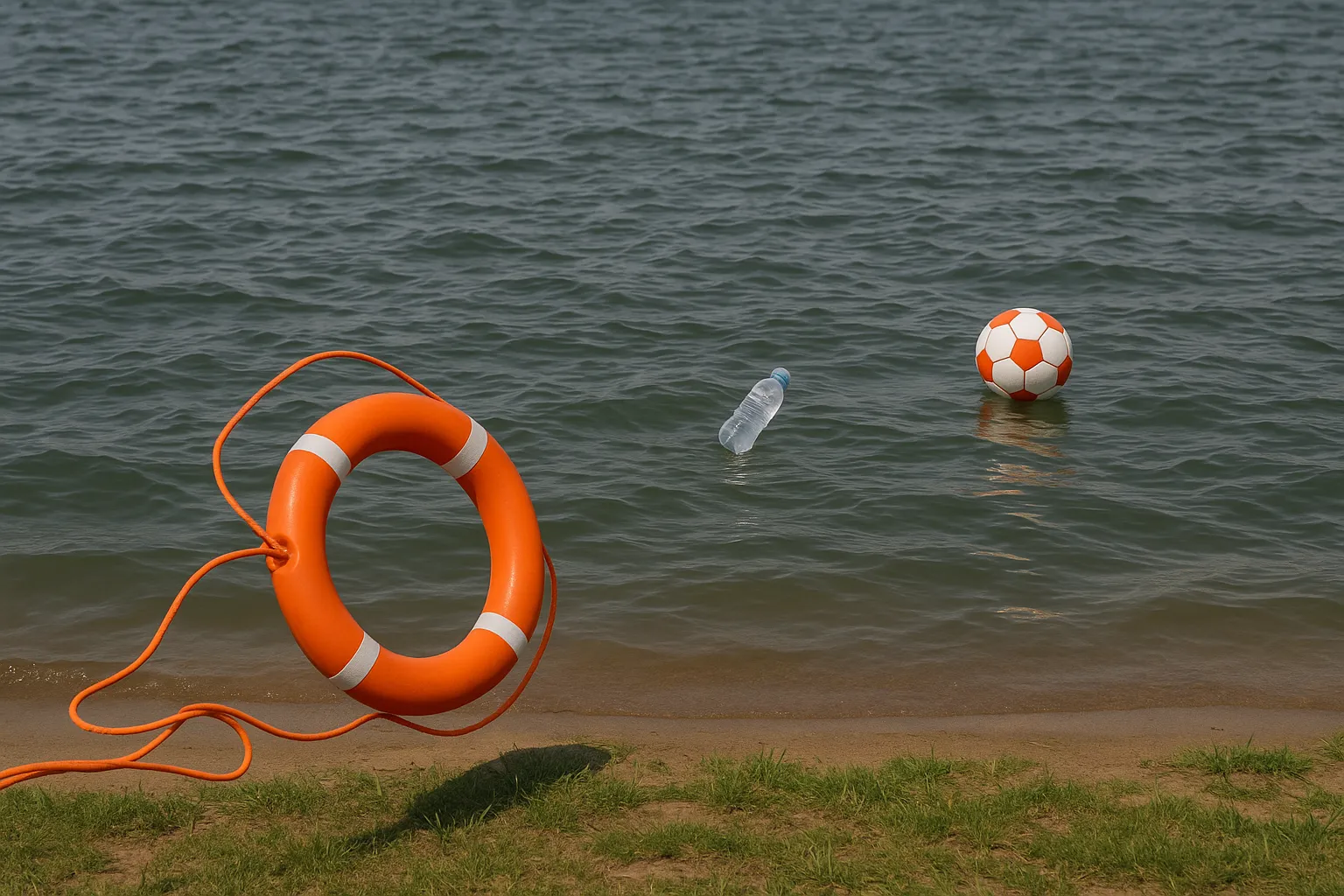
– Use plastic bottles or footballs.
– Help will arrive shortly.
Full Story
In the event of witnessing an individual in distress in water, immediate action is crucial. The Royal Life Saving Society (RLSS) provides clear guidance for bystanders on how to respond effectively to such emergencies. Their advice emphasizes the importance of contacting emergency services by calling 999 without hesitation.
It is imperative for onlookers to remain on dry land and avoid entering the water themselves, as doing so could potentially escalate the situation and place additional lives at risk. Instead, bystanders should seek to assist those in peril from a safe location. One recommended method is to throw an item that floats—such as a plastic water bottle or a football—towards the individual in trouble. This can help them stay afloat while awaiting the arrival of professional rescuers.
Such guidance underscores the urgency and potential dangers associated with water-related emergencies. Many individuals may instinctively feel compelled to jump in and rescue the person in distress, but experts warn that this can lead to a far more dangerous scenario. The RLSS urges everyone to prioritise safety and take the appropriate steps to ensure that help is on the way without compromising their own wellbeing.
Understanding the appropriate course of action during water emergencies can not only save lives but also prevent additional casualties. The RLSS’s emphasis on using flotation devices aims to empower witnesses to contribute to rescue efforts while adhering to established safety protocols. In such situations, maintaining a calm demeanor and acting swiftly can make a significant difference in outcomes.
The RLSS has made recommendations aimed at ensuring the safety of both rescuers and victims. By promoting public knowledge of emergency response measures, they hope to cultivate a community that is well-prepared to deal with aquatic emergencies in a responsible manner.
With incidents involving drowning being a significant concern, awareness is a vital tool in prevention. The RLSS’s guidelines serve as a reminder of the role that witnesses can play in emergencies. By calling for help and providing floating objects, they create a lifeline for those in distress until trained professionals can manage the situation securely.
Moreover, educational campaigns are essential in spreading awareness about water safety and the correct responses in emergencies. Those who frequently enjoy water activities, such as swimming or boating, should take the time to familiarize themselves with these protocols. Knowledge of how to assist someone in distress is invaluable and can be the difference between life and death in critical situations.
The RLSS is dedicated to educating the public about the risks associated with water and the proficiency needed for safely navigating aquatic environments. Their initiatives not only aim to prevent drowning cases but also focus on fostering a culture of vigilance and preparedness within communities.
Experts suggest that local engagement and outreach programs can significantly enhance public understanding of water safety. Collaboration with schools, community groups, and local organisations can effectively disseminate information regarding appropriate responses to water emergencies. Additionally, training opportunities for individuals interested in learning more about water rescue techniques can further bolster community readiness.
It is important to recognize that the effects of witnessing someone in distress can extend beyond the immediate physical response. Psychological impacts may also arise for bystanders who feel powerless in a high-stress situation. The RLSS acknowledges the emotional toll these scenarios can take, encouraging individuals to seek support if needed after such encounters.
Engagement in proactive discussions surrounding water safety can demystify potential fears surrounding emergency scenarios. Encouraging communities to talk openly about these topics can lead to increased confidence when faced with real-life emergencies. This dialogue is essential in creating a resilient community that is equipped to handle various aquatic situations effectively and safely.
In conclusion, the RLSS’s recommendations offer essential guidance for anyone who might find themselves witnessing an emergency in or near water. By prioritising safety, calling for help, and providing flotation aids, bystanders can play a crucial role in rescue efforts. Public awareness and education on these practices are vital in reducing the risk of drowning and fostering a proactive approach to water safety. Each of us has the power to make a difference, and understanding how to respond appropriately in a crisis can help save lives.
Our Thoughts
The article emphasizes the importance of proper emergency response in aquatic situations. To prevent incidents, individuals should receive training in basic water safety and emergency response, in alignment with the Health and Safety at Work Act 1974, which mandates adequate training to ensure safety.
Key lessons include promoting public awareness on the correct actions to take during water emergencies rather than attempting risky rescues. The Management of Health and Safety at Work Regulations 1999 stipulates that employers must provide information and training; these concepts could be incorporated into community safety programs.
No specific breaches of regulations were identified in the article; however, a lack of public knowledge on response procedures could lead to dangerous situations. Encouraging adherence to guidance from bodies like the Royal Life Saving Society (RLSS) can help ensure safety and effective responses in emergencies. Training sessions and awareness campaigns can significantly reduce risks associated with water-related incidents.