















Story Highlight
– Nine Brits, mostly children, drowned in open water.
– Royal Life Saving Society urges caution in water.
– Record temperatures recorded in England and Wales.
– NHS website visits surged for safety advice.
– Heat health alerts extended amid ongoing warm weather.
Full Story
Following a series of tragic incidents during a recent heatwave, the Royal Life Saving Society has issued a stark reminder to the public about the dangers of swimming in open water. This warning comes in the wake of nine fatalities across the UK, with a significant number of victims being children.
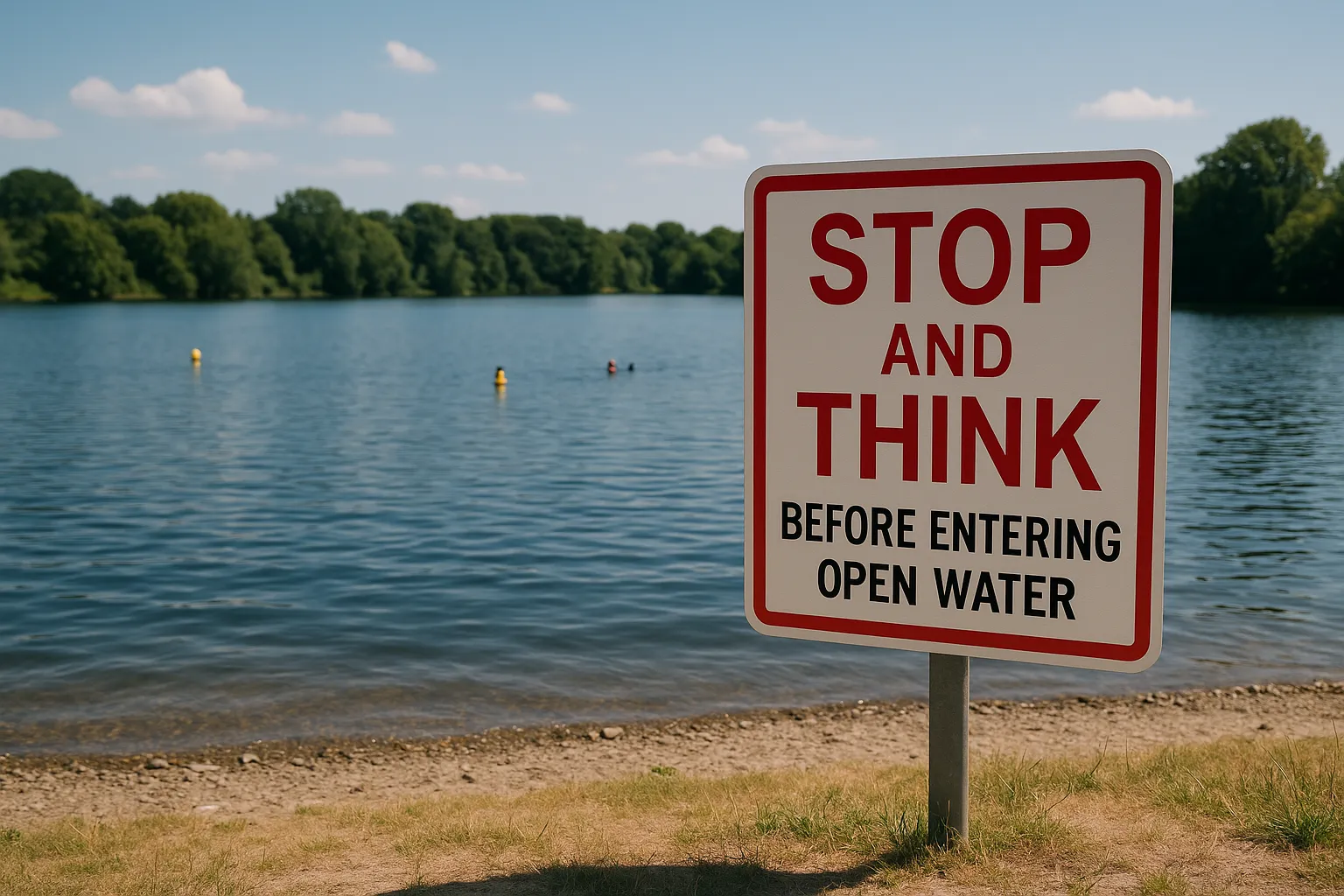
The heatwave brought record-breaking temperatures, prompting many to seek relief in natural water bodies. Unfortunately, these excursions have ended in tragedy for several families. The tragic events have sparked urgent calls from the Royal Life Saving Society for individuals to “stop and think” before entering potentially hazardous open waters.
The society highlighted the significant risk associated with swimming in open water, especially when temperatures rise. “Warmer weather unfortunately correlates to an increase in accidental drownings,” the organisation noted. Despite the soaring temperatures on land, water remains perilously cold, posing a serious risk to swimmers.
The Met Office has reported exceptional temperatures across England and Wales. On Tuesday, Kew Gardens recorded a brutal 35.1C, while Cardiff’s Bute Park reached 32.9C. In light of these soaring temperatures, fatalities have occurred in various regions—including South Yorkshire, Cornwall, Hampshire, and Lancashire—as individuals encountered difficulties while swimming.
Among the recent tragedies was the death of Declan Sawyer, a 15-year-old who drowned at Swanholme Lakes in Lincoln on Sunday. The same day, emergency services recovered the body of a 72-year-old woman from West Angle Bay beach in Pembrokeshire after she was pulled from the water.
Tragic reports continued with a 13-year-old boy, believed to be Reco Puttock, who lost his life at Leadbeater Dam near Halifax on Monday. Another incident on the same day involved a man in his 60s, who suffered a fatal cardiac arrest at Tregirls Beach while trying to rescue two family members in distress. Furthermore, a body was located at Kingsbury Water Park in Warwickshire, and the South Yorkshire Police confirmed a teenager’s body was recovered from Rother Valley Country Park in the early hours of Tuesday.
In a distressing turn of events, a teenage boy went missing while swimming at Hawley Lake, and during the search operation, a body was discovered. On the following day, Lancashire Police reported a body recovered from the River Ribble after a 12-year-old boy encountered difficulties while swimming. In a separate incident, a 17-year-old boy’s body was found in Pickmere Lake in Northwich, Cheshire.
In addition to incidents in the UK, there has been a report from the Gardai in Ireland concerning a teenage girl who drowned at Burrow Beach, a well-known swimming spot near Howth, during the same weekend.
The Royal National Lifeboat Institution (RNLI) has also raised concerns, cautioning the public about the “very real risk” associated with swimming in open water during heatwaves. As people flocked to the waterways in search of cooling relief, the dangers amplified.
Moreover, as temperatures soared, the public sought guidance from the NHS on staying safe in such extreme conditions. NHS England reported a staggering increase in traffic to its heatstroke advice web page, which saw visits rise from just 488 the previous Monday to 20,092 on the bank holiday Monday. Over the weekend, NHS sites recorded a total of 36,724 visits overall, underscoring the public’s heightened concern.
Inquiries about baby first aid and sun safety surged dramatically, with visits to those pages nearly increasing by 3,500%, amounting to 4,728 visits on Monday alone. Although many took pleasure in the sunny weather over the bank holiday, the health risks faced by vulnerable groups, including the elderly and infants, remained pronounced.
Health threats such as dehydration and heat exhaustion loom large amidst the heatwave, with high temperatures exacerbating these conditions. Health officials have warned that excessive loss of water and salt can lead to heatstroke—a severe and potentially fatal illness.
While temperatures are expected to ease slightly across various parts of the UK in the upcoming days, the UK Health Security Agency has announced that heat health alerts will be extended for an additional 24 hours. Amber heat alerts for specific regions—including the South West, South East, and London—are set to remain in effect until 5pm on Thursday. Concurrently, yellow heat-health alerts have been announced for the North West and North East parts of the country.
To compound the current situation, the Met Office has issued a yellow thunderstorm warning for much of Wales, the South West of England, and parts of the Midlands that will be in place from Wednesday afternoon until late that night, creating a heightened risk of severe weather with heavy rain, lightning, and strong winds expected.
As families continue to enjoy the warmer weather, the authorities reiterate the critical importance of being aware of water safety and staying vigilant when swimming in natural bodies of water.
Our Thoughts
To prevent the tragic incidents of drowning during the heatwave, several key safety measures could have been implemented. The Health and Safety at Work Act 1974 requires employers and organizations, including those managing open water bodies, to ensure the safety of individuals in and around such environments. Improved signage highlighting the dangers of swimming in open water, particularly regarding cold water shock and strong currents, is essential.
Additionally, community awareness campaigns should be bolstered to educate the public, especially children and young adults, about the risks associated with swimming in unmonitored areas. The use of lifeguards in popular swimming locations is another important measure that could have saved lives.
Regulations such as the Management of Health and Safety at Work Regulations 1999 emphasize the importance of risk assessments in public water areas, which may not have been adequately enforced or implemented.
Overall, by enhancing public education, enforcing safety regulations, and providing proper supervision in open water areas, similar drowning incidents could be significantly mitigated in the future.