















Story Highlight
– 10 million Brits at risk of painkiller addiction.
– Codeine available over-the-counter raises dependency concerns.
– One in five misuse codeine for over 10 days.
– Users often “pharmacy hop” to buy painkillers.
– Prolonged use leads to severe health complications.
Full Story
A recent survey has raised concerns that approximately 10 million individuals in the UK may be at risk of developing a dependency on over-the-counter pain medications, particularly those that contain codeine. The investigation highlights increasing worries among health professionals regarding the accessibility of these medications and their potential implications for public health.
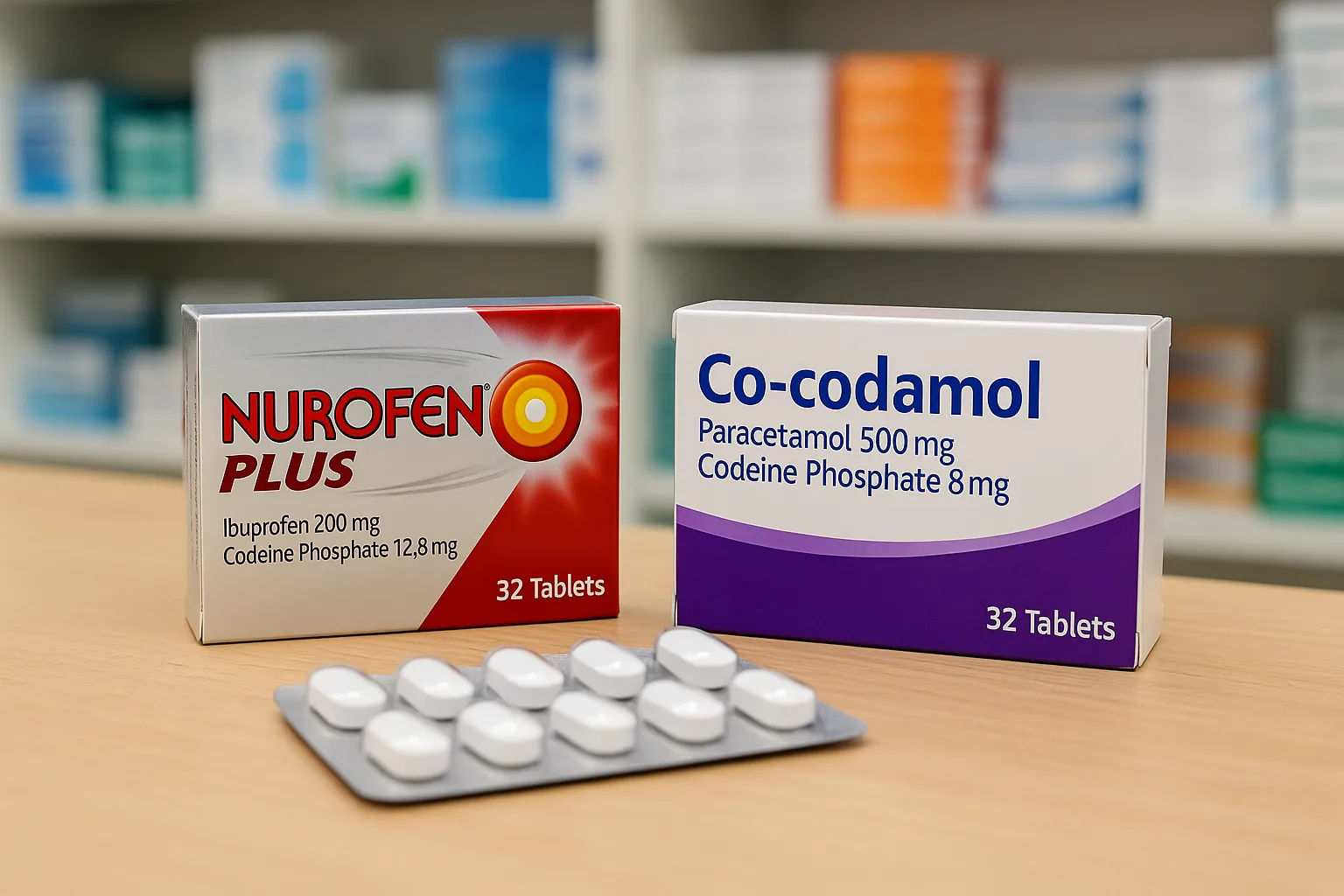
Codeine, an opioid pain reliever, is available in various over-the-counter formulations, and is combined with paracetamol in products such as co-codamol, or with ibuprofen in options like Nurofen Plus. While these medications can be purchased in pharmacies without a prescription, regulations stipulate that sales should be limited to a maximum of 32 tablets and recommended for no longer than three consecutive days. However, findings from an ITV investigation indicate that many consumers are not adhering to these guidelines, raising alarms over the prospect of a dependency crisis.
Analysis of responses from more than 2,000 adults revealed troubling statistics regarding the usage of non-prescription codeine. Specifically, one in six respondents reported using these painkillers for periods extending up to nine days, while a staggering one in five admitted to using them for over ten days. This extended usage significantly increases the risk of developing a tolerance, which can lead to dependency and, ultimately, addiction.
In addition to codeine, the investigation highlighted that other substances such as sleeping aids and nasal sprays are also being misused, with many individuals using these products beyond recommended durations. The potential for dependency with such medications is a growing concern, underscoring a broader public health issue.
The UK differs from a number of other countries, such as Australia, where regulations surrounding the sale of codeine were tightened in 2018 to mitigate risks associated with misuse. Experts have indicated that the current framework in the UK might not adequately protect consumers from the dangers of prolonged use.
Dr. John Smith, an addiction specialist, commented on the implications of tolerance that can develop with long-term codeine use. “When people take codeine over an extended period, their bodies become accustomed to its presence, necessitating larger doses to achieve the desired effect. This can create a vicious cycle that is difficult to escape,” he remarked.
Abby House, a former NHS employee, shared her personal experience of developing an addiction following a prescription for codeine after undergoing gastric sleeve surgery. She recounted a harrowing journey that led her to rely heavily on over-the-counter alternatives. “I would buy at least 20 boxes a week, I was taking so much that it was making me physically ill,” she explained. Abby found herself in £8,000 worth of debt, a situation exacerbated by her compulsive purchases.
The sale of codeine-containing medications in the UK is restricted to one pack at a time. Pharmacists are advised to remind customers of the three-day usage guideline and have the authority to refuse a sale if they suspect misuse. Yet, many individuals coping with addiction resort to “pharmacy hopping,” visiting multiple locations to circumvent these restrictions. Abby illustrated this phenomenon by explaining how she would travel to various pharmacies to purchase single packs of codeine in quick succession.
Testimonies from other individuals echoed Abby’s experiences, revealing a pattern of behaviour where users exploit the accessibility of these medications. Reports suggest that online purchases have further complicated this issue, as people can easily navigate between different pharmacy websites to obtain supplies of codeine without raising suspicion.
The ramifications of improper use extend beyond addiction; the misuse of codeine can lead to severe health complications. The combination of codeine with other active ingredients like paracetamol can elevate the risk of liver damage, stomach ulcers, and other serious health conditions. Healthcare providers are increasingly raising flags about the dangers inherent in the unmonitored consumption of over-the-counter products.
In response to the findings of the investigation, the Department of Health and Social Care stated, “All over-the-counter medicines are kept under continuous review, and action is taken where evidence of harm emerges.” They reassured the public that safety information on packaging is regularly updated to reflect current knowledge regarding potential risks. Meanwhile, the Consumer Healthcare Association echoed these sentiments, reminding individuals to thoroughly read safety information and use medications only as directed.
This discussion regarding the safety of over-the-counter medications comes alongside growing concerns voiced by the Medicines and Healthcare products Regulatory Agency (MHRA) regarding nasal decongestant sprays, which were recently flagged for their potential to cause dependency and long-term damage to users’ respiratory passages.
As awareness of these critical issues continues to grow, healthcare professionals and regulatory bodies face the pressing challenge of balancing patient access to necessary medications with the imperative to prevent misuse and addiction. The call for reform surrounding the sale and use of codeine and other similar substances has never been more urgent, as the landscape of public health presents an evolving challenge that requires immediate attention and coordinated response.
Our Thoughts
To mitigate the risks associated with the misuse of over-the-counter painkillers containing codeine, several steps could have been taken. Firstly, stricter enforcement of existing regulations, such as the maximum limit of 32 tablets per purchase and the recommendation for use no longer than three days, is essential. Pharmacies should require clearer patient consultation and monitoring to ensure compliance and to identify potential abuse before it escalates.
The regulations breached pertain to the Misuse of Drugs Act 1971 and the Medicines Act 1968, which aim to control the supply and distribution of controlled substances. Improved training for pharmacy staff on the signs of misuse could enhance their ability to refuse sales when abuse is suspected.
Key safety lessons include the importance of public awareness campaigns about the risks of dependency and safer alternatives for pain management. Additionally, consideration could be given to revising policies to limit the availability of such medications, similar to actions taken in other countries, to reduce the risk of addiction. Implementing effective monitoring systems to detect patterns of excessive purchasing, both in-store and online, could prevent future incidents of dependency.