














Story Highlight
– Lifeguard saved unresponsive boy at Waterlane Leisure Centre.
– Drowning detection technology was obstructed by a buoy.
– Five lifeguards dismissed following incident investigation.
– Boy recovered after CPR; he was underwater three minutes.
– Ongoing investigation into health and safety practices.
Full Story
An ongoing investigation into a serious incident at Waterlane Leisure Centre in Lowestoft has resulted in the dismissal of five lifeguards, following the dramatic rescue of an unresponsive boy from the main swimming pool. This event unfolded during a public swimming session shortly after swimming lessons on the evening of May 1.
The casualty, a young boy, had been discovered submerged in the pool and was reportedly underwater for approximately three minutes before being rescued. He was subsequently resuscitated on-site and taken to hospital for monitoring. Fortunately, he has since made a full recovery and was discharged over the subsequent bank holiday weekend.
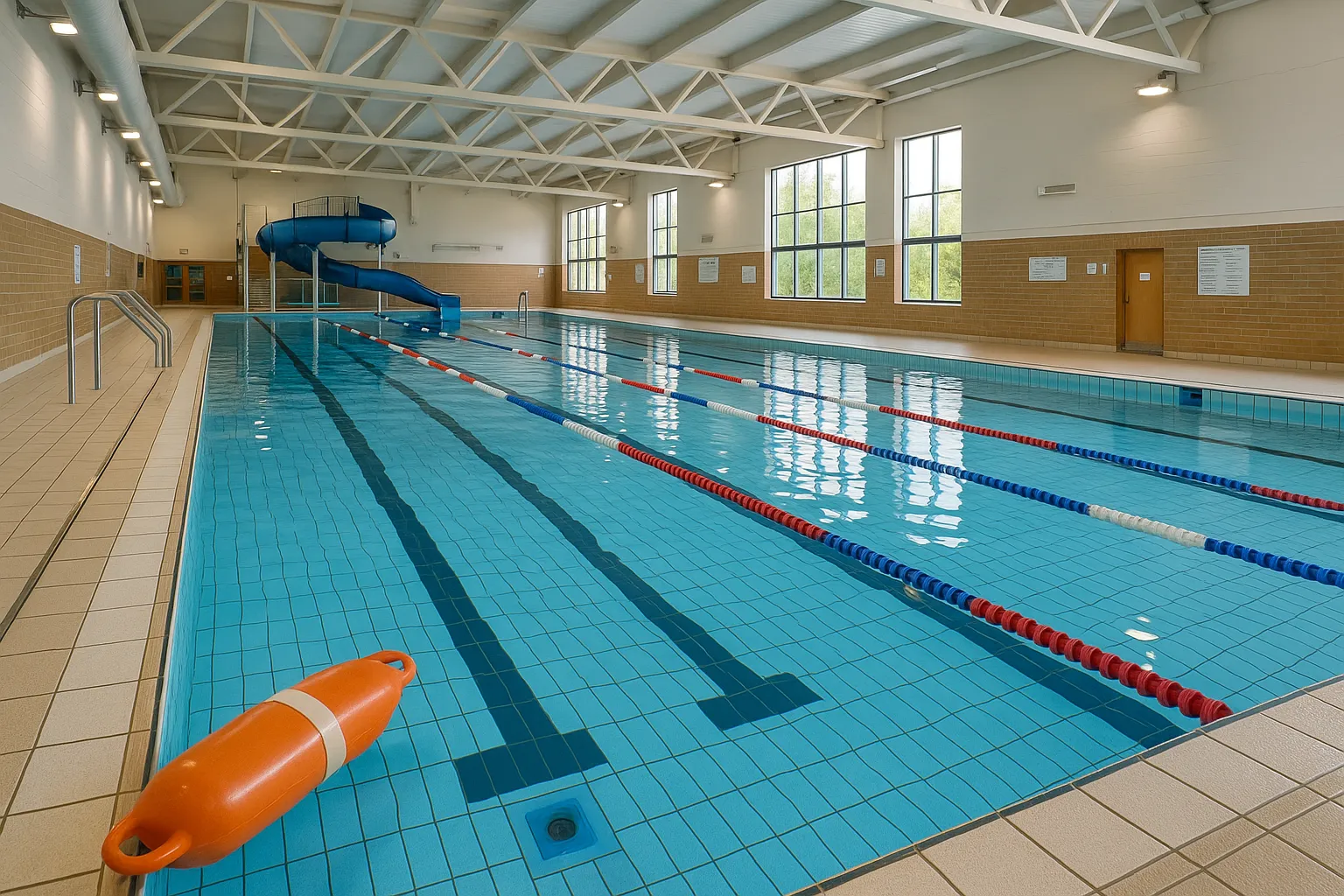
The leisure centre, operated by Everyone Active, employs a sophisticated drowning detection system known as Poolview Plus+, which uses AI-linked cameras and sensors to monitor pool activity and alert lifeguards to potential dangers. However, it has been revealed that a torpedo buoy was obstructing the alert button used to signal irregular movements in the water. This obstruction prevented lifeguards from receiving crucial warnings that might have otherwise enabled them to intervene more swiftly.
Witnesses report that an onlooker at the poolside noticed the child in distress and called for help, prompting an on-duty lifeguard to rescue the boy from the water. The immediate response from the lifeguard is credited with preventing a tragedy, but the circumstances surrounding the initial failure of the drowning detection system have raised serious concerns.
Everyone Active has stated that they are conducting a thorough investigation in cooperation with East Suffolk Council, which is responsible for health and safety oversight in leisure facilities. A spokesperson for the council commented on their commitment to ensuring safety and the seriousness of the incident, indicating that the investigation is expected to be extensive.
In light of the investigation, five full-time staff members have been terminated, following disciplinary hearings that concluded last week. This includes two lifeguards who were present at the time of the incident, as well as a teenage employee who, despite being on duty that day, was not assigned to the evening shift when the event occurred.
The teenager, who has chosen to remain anonymous during the appeals process, expressed shock over their dismissal. According to a letter that has been obtained, the individual’s termination stemmed from findings of serious breaches related to health and safety procedures, which reportedly included failures linked to the drowning detection system. The letter noted, “You were unable to give an adequate or satisfactory explanation of your actions.”
The young worker had been employed for around ten months, primarily serving as a general leisure assistant while pursuing qualifications in gym instruction. They recounted their distress over the situation, stating, “It is galling, especially as I was only working during the day and was not even there in the evening.” The teen further remarked on their lack of involvement in the incident, noting they had only witnessed the system being overridden once earlier in their employment.
In the aftermath of this incident, the Health and Safety Executive has reiterated the local authority’s responsibility for overseeing leisure centres, emphasising the significance of adhering to rigorous safety practices. A representative indicated that the prioritisation of safety protocols is critical, particularly in facilities that handle recreational activities involving water.
As the investigation progresses, both Everyone Active and East Suffolk Council have indicated they will not be commenting further until results are concluded, highlighting the sensitive nature of the ongoing inquiry. Stakeholders anticipate that the review will lead to enhanced safety measures to prevent similar occurrences in the future.
The episode has raised pressing questions about the adequacy of training and supervision provided to lifeguards within the facility. The incident is a stark reminder of the importance of robust safety protocols in leisure environments, particularly those involving children.
Community members have voiced concerns regarding the staffing and operational practices within the centre, urging for immediate reforms to ensure safeguards are firmly placed. The tragic potential of such incidents underscores the necessity for ongoing training and stringent adherence to safety protocols among lifeguards, especially in high-risk environments like swimming pools.
In conclusion, as the investigation into this distressing event unfolds, it serves as a sobering call for increased vigilance in aquatic safety measures. The outcome may not only affect the careers of those involved but could also prompt a reassessment of operational procedures at facilities across the country.
Our Thoughts
The incident at Waterlane Leisure Centre highlights significant safety failures that could have been addressed to prevent the near-drowning of the boy. The key issue was the obstruction of the drowning detection technology by a buoy, which rendered the system ineffective. To avoid such incidents, a rigorous check should be implemented to ensure that all safety equipment, including alarms and detection systems, are unobstructed and functioning correctly before public sessions. This aligns with the Health and Safety at Work Act 1974, emphasizing the need for safe working practices and risk assessments.
Additionally, the management should enforce strict training and compliance protocols for staff regarding the use of safety systems, guided by the Management of Health and Safety at Work Regulations 1999, which require adequate training and instruction for employees. The dismissal of five staff members raises questions about accountability and the importance of a clear understanding of roles and responsibilities amongst lifeguards.
Regular audits of safety practices, increased frequency of safety drills, and clear communication channels for reporting hazards could prevent similar incidents. Reinforcement of a safety culture within leisure centres is essential for the protection of patrons.