















Story Highlight
– Hydrachem highlights global water safety crisis ahead of June 5.
– Billions lack access to safe drinking water, despite awareness.
– Urgent action needed from businesses and policymakers emphasized.
– Climate change exacerbates water contamination risks globally.
– Hydrachem advocates for investing in prevention and infrastructure.
Full Story
**Calls to Address Global Water Safety Ahead of World Environment Day**
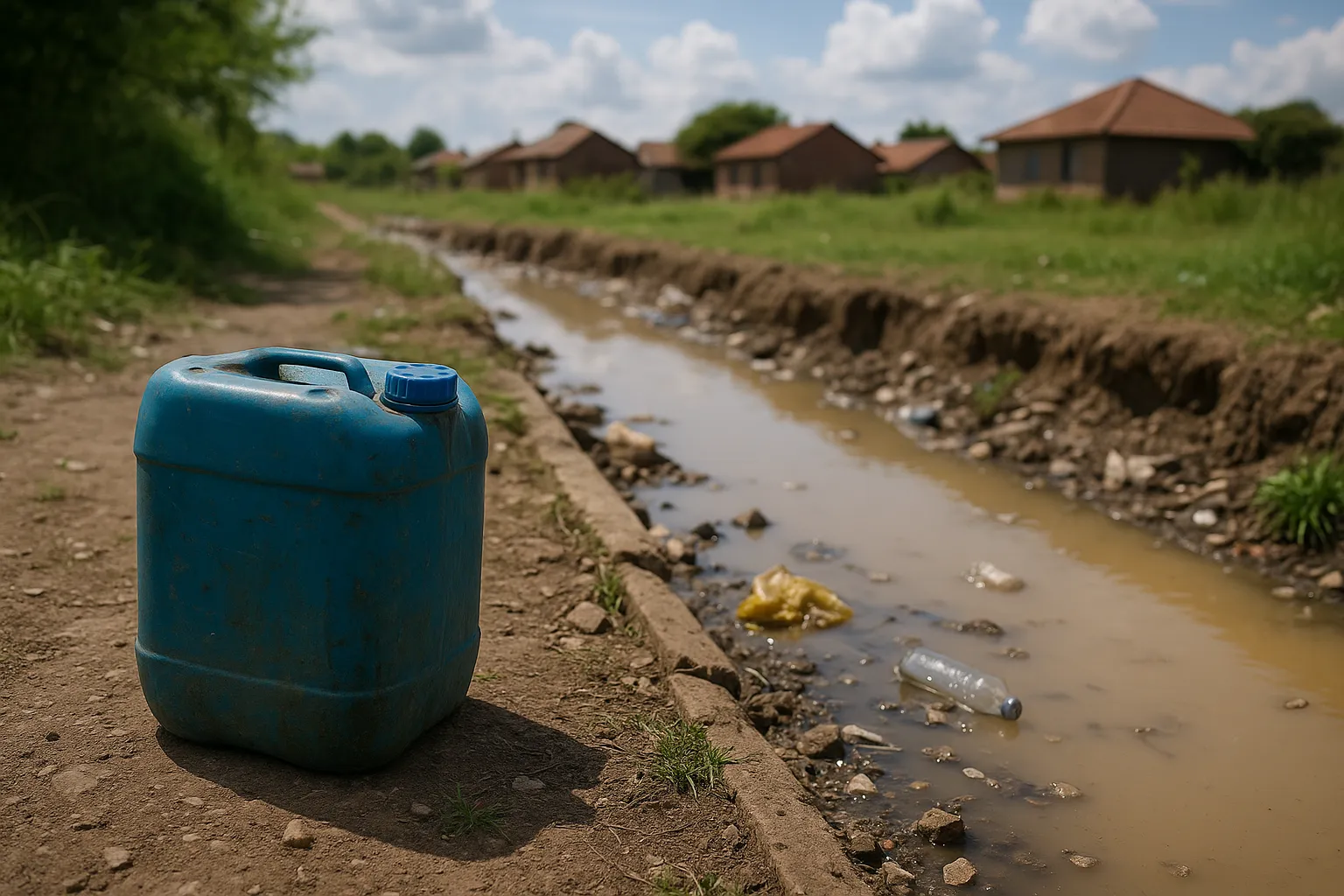
As World Environment Day, set for 5th June, approaches, the company Hydrachem is urging increased attention to the issue of water safety on a global scale. Despite a significant level of awareness about the dangers of contaminated water, the company highlights that millions remain without access to safe drinking water, marking a troubling gap between consciousness and actionable solutions in the environmental health sphere.
Hydrachem’s appeal comes at a time when the urgency of the water safety crisis is more pronounced than ever. Nicolas Barbieri, the company’s Chief Commercial Officer, stated that in 2026, it is unacceptable for safe drinking water to be a privilege rather than a basic right. He emphasised, “It’s no longer enough to say unsafe water is a crisis. That’s already widely accepted. The real issue is that so many people are still living without access to basic water safety.”
The ramifications of climate change further exacerbate these concerns, as severe weather patterns such as flooding and drought not only threaten existing water supplies but also undermine infrastructure designed to deliver clean water. Barbieri explained, “Yes, climate change is increasing the risk of water contamination worldwide through extreme weather events, flooding, drought and infrastructure disruption, but it’s a preventable problem that persists because action is not keeping pace with awareness.”
In light of these challenges, Hydrachem posits that bridging the gap between understanding and effective intervention hinges on three critical strategies. The company advocates for a heightened focus on local preventative water treatment initiatives, the enhancement of rapid-response capacities to address climate-induced crises, and the integration of long-term sanitation plans into public infrastructure strategies.
Barbieri concluded by stressing the need for immediate action rather than mere conversation. “The tools and expertise already exist, what’s missing is urgency. We don’t need more awareness; we need more implementation,” he stated. This approach entails investing in preventive measures, ensuring quicker responses to failures in water safety systems, and re-evaluating water safety as a primary focus rather than an auxiliary concern.
Operating in over 60 countries, Hydrachem plays a vital role in providing solutions that enable the production of more than 10 billion litres of safe drinking water annually. Their work supports various sectors, including governmental agencies, NGOs, healthcare facilities, and corporations, showcasing a commitment to improving public health outcomes globally.
Founded in 1973, Hydrachem is recognised as a leader in the water purification and hygiene sector, with its products playing a crucial role in combating waterborne diseases and maintaining hygiene in numerous industries such as healthcare, hospitality, manufacturing, and agriculture. Their philanthropic roots drive the company’s mission to facilitate access to clean water and foster a healthier environment.
As part of their wider efforts, Hydrachem continues to develop and supply innovative products, including Oasis Water Purification Tablets and Cert Multi Surface Spray, that are synonymous with quality and efficacy in maintaining safe drinking environments.
In summary, as World Environment Day draws nearer, the clarion call from Hydrachem serves as a reminder that the issue of water safety must move beyond rhetoric to encompass practical and sustainable actions. The company’s commitment to enhancing access to clean water and better sanitation reflects a larger battle that is fundamental to public health and environmental stewardship worldwide.
For individuals and organisations looking to contribute to this pressing issue, Hydrachem encourages collaboration across sectors to develop integrated solutions that will ultimately lead to enduring improvements in water safety for communities everywhere.
Our Thoughts
The article highlights the ongoing crisis of unsafe drinking water, reflecting a failure to effectively implement solutions despite awareness. To prevent similar issues, businesses and policymakers must prioritize water safety in compliance with the Health and Safety at Work Act 1974, which mandates a duty of care to ensure safe working environments, including access to safe drinking water.
Key lessons include the urgent need for preventative measures at local levels, which should be integrated into infrastructure planning as outlined in the Management of Health and Safety at Work Regulations 1999. Furthermore, rapid-response capabilities must be established to handle climate-related emergencies, adhering to the Civil Contingencies Act 2004, which emphasizes preparedness and resilience.
The lack of action risks breaches of the Water Supply (Water Quality) Regulations 2016, which require public water supplies to meet health standards. Companies should also conduct thorough risk assessments as mandated by the Regulatory Reform (Fire Safety) Order 2005, ensuring water safety is part of comprehensive health and safety strategies. Overall, turning awareness into actionable steps is critical to addressing this preventable health crisis.