















Story Highlight
– UK Athletics fined £350,000 for Paralympian’s death.
– Abdullah Hayayei killed by collapsing shot put cage.
– Incident occurred during 2017 World Athletics Championships preparation.
– Keith Davies received community order for health and safety breach.
– Cages lacked proper assembly, creating ongoing safety hazard.
Full Story
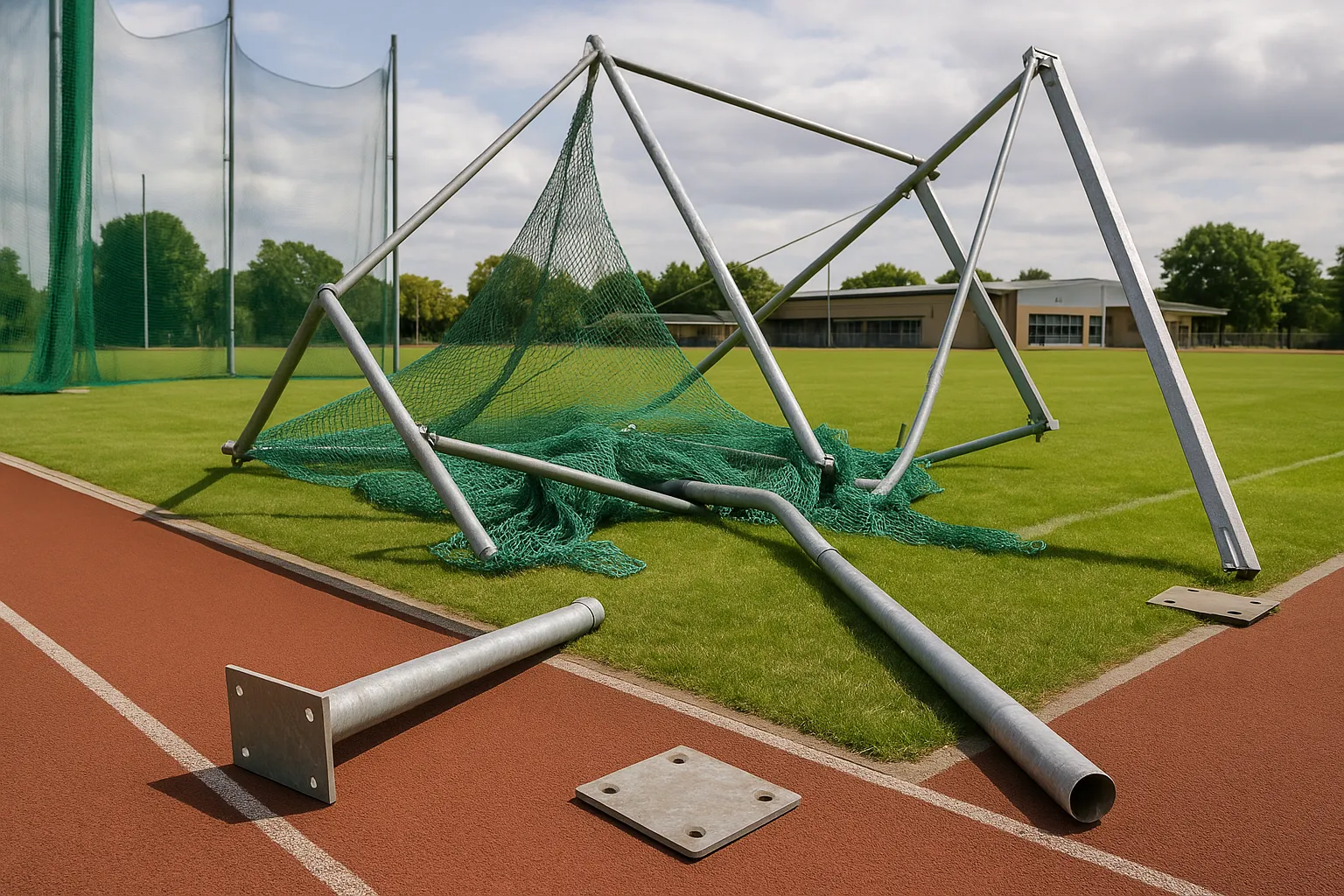
UK Athletics has been handed a £350,000 fine following the tragic death of Paralympian Abdullah Hayayei, who lost his life due to the collapse of a shot put training cage in 2017. The incident took place at the Newham Leisure Centre in London, where the 36-year-old athlete was preparing for the World Athletics Championships when the heavy metal structure, weighing 440lbs, toppled onto him.
The court proceedings revealed that the accident was attributed to the improper assembly of the cage, which lacked essential base plates. Keith Davies, who was the head of sport for the 2017 World Paralympic Athletics Championships, also faced legal repercussions and was sentenced to a community order for a health and safety violation. The court noted that he had been “on notice” regarding the safety of the cages after a prior collapse of a similar structure, which should have prompted enhanced safety measures.
The cages in question were originally sourced from the 2012 Olympics but had not been assembled correctly with base plates over the five years leading up to the tragedy. Evidence presented during the trial described the situation as a “perennial hazard,” underscoring the serious lapses in safety protocols that were in place at the time.
The impact of Hayayei’s untimely death has been extensively felt, particularly by his family. Badriah, his widow, expressed the emotional toll the incident has taken on her and their five children, highlighting that the circumstances surrounding his death were a consequence of “gross negligence” that could easily have been prevented.
The case has raised critical questions about the accountability of sports organisations regarding safety measures and the implementation of proper protocols to protect athletes. Legal experts have opined that this tragic incident should serve as a stark reminder to sporting bodies about the importance of rigorous safety standards, especially in training environments where athletes are exposed to potentially dangerous equipment.
The broader implications of this case extend beyond just the financial penalties imposed on UK Athletics. It has sparked discussions among athletes, coaches, and sports administrators about the urgency of enhancing regulations governing equipment safety. Experts suggest that a comprehensive review of practices across all sporting events, particularly those involving disabled athletes, is essential to prevent similar tragedies from occurring in the future.
Moreover, the incident has resonated within communities, particularly those advocating for improved facilities and safety for athletes with disabilities. Activists have called for a more vigorous approach to athlete safety and wellbeing, urging both local and national governing bodies to ensure that all training equipment is maintained to the highest standards.
In the aftermath of the incident, discussions have also arisen regarding the education and training of personnel involved in setting up and maintaining sporting equipment. Many stakeholders are advocating for stricter training requirements for staff in sports centres to ensure that everyone involved understands the importance of adhering to safety protocols.
As the legal proceedings conclude, the spotlight now shines on how UK Athletics and similar organisations plan to address the findings of this case. Appropriate measures need to be implemented to ensure that athletes can train safely without the fear of such incidents reoccurring. Stakeholders are now looking to establish a culture of safety within sports, which includes not only proper equipment maintenance but also ensuring that all staff members are adequately trained to recognise and mitigate potential hazards.
Furthermore, community reactions indicate a growing demand for transparency from sports governing bodies regarding their safety practices. Parents of young athletes, particularly those with disabilities, have expressed a desire for clearer communication about safety measures and incident protocols in local sports clubs and facilities.
The case of Abdullah Hayayei, therefore, is not merely about a tragic accident but has evolved into a critical examination of safety standards within athletics. The hope among advocates and family members is that this incident will serve as a turning point, prompting changes that could prevent future tragedies and enhance the confidence of athletes and their families in sporting environments.
The legal ramifications and financial penalties are seen as an initial step towards accountability. However, many believe that true progress will be measured by the long-term changes made in safety regulations and the cultural shift in how athletics organisations prioritise athlete welfare. The road ahead is daunting, but it is one that must be undertaken to honour the memory of Abdullah Hayayei and safeguard the future of athletes everywhere.
Our Thoughts
To prevent the tragic incident involving the shot put cage that led to Abdullah Hayayei’s death, several key actions could have been taken. Firstly, a thorough risk assessment under the Management of Health and Safety at Work Regulations 1999 should have been conducted prior to the event, identifying potential hazards associated with the equipment.
Proper training and supervision should have been mandated for all personnel involved in the assembly and maintenance of the shot put cage, as per the Health and Safety at Work Act 1974, to ensure compliance with safety protocols. The failure to use the required base plates indicates a breach of safety and operational guidelines, which is critical for ensuring the stability of such structures.
Regular inspections and maintenance routines should have been established, especially given the previous incidents involving the cage’s structural failure, to comply with the Equipment and Use Regulations 1998.
This case underscores the vital importance of adhering to established health and safety regulations to prevent similar tragedies. The gross negligence evident in this incident highlights a clear need for accountability and proactive measures in the management of sports equipment safety.