














Story Highlight
– Met Office warns of extreme heat in the UK.
– Temperatures could reach 38C, breaking June records.
– Health risks increase for elderly and vulnerable populations.
– High overnight temperatures expected, including tropical nights.
– Mosquito numbers likely to surge due to heat.
Full Story
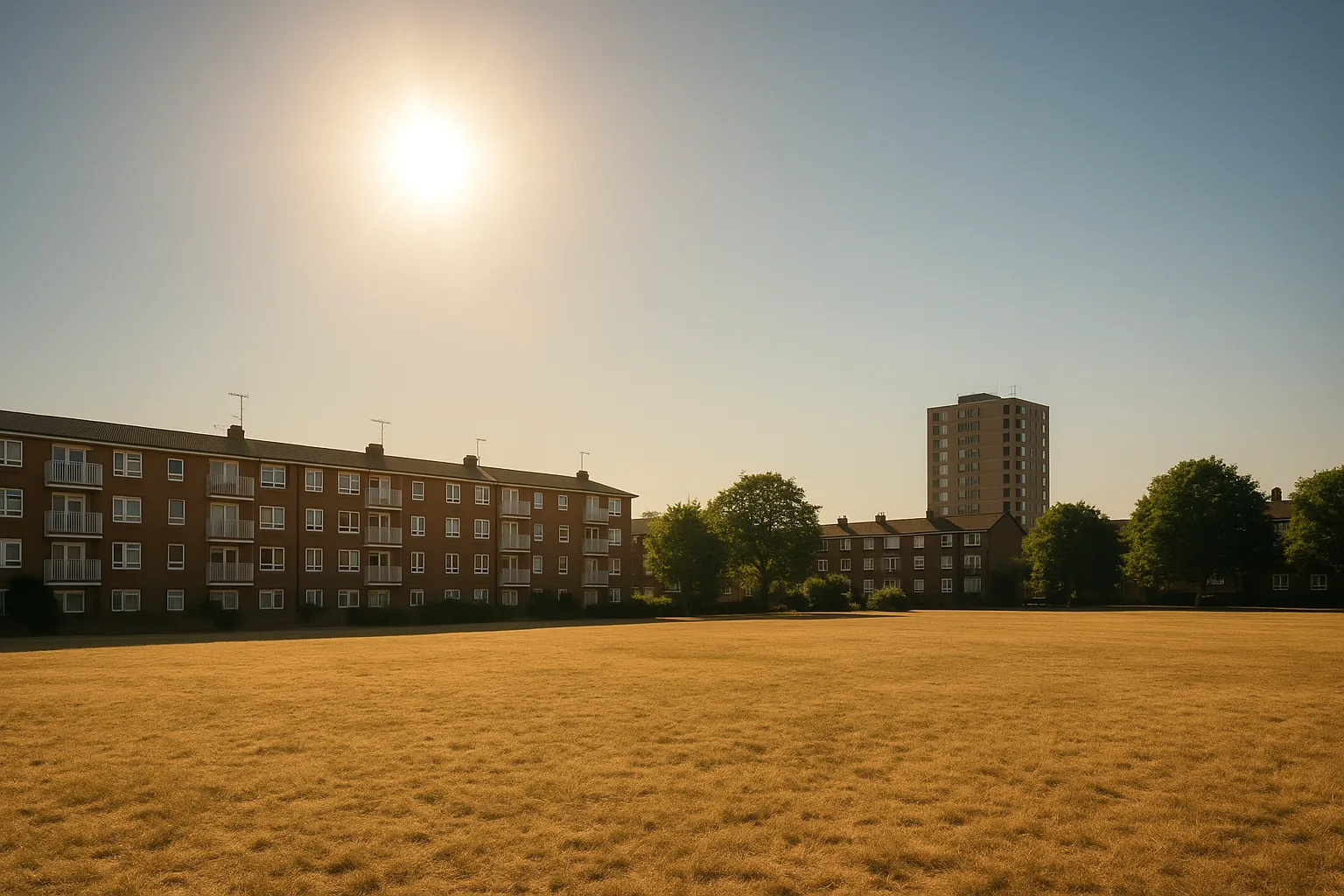
The Met Office has announced an extension of its heat warning across the UK, with forecasts indicating temperatures could soar to unprecedented levels, reaching 38 degrees Celsius (100.4 degrees Fahrenheit) in the coming days. This wave of extreme heat is anticipated to persist from Monday through Thursday, raising alarm bells about potential health risks for the elderly and those with pre-existing conditions.
With an increasing likelihood of breaking the longstanding June temperature record of 35.6 degrees Celsius, established in 1976 in Southampton and also recorded in Camden Square, London, the Met Office has issued a stark warning. There’s a notable 25% chance that the thermometer may exceed 40 degrees Celsius during this period.
Tom Crabtree, deputy chief forecaster at the Met Office, described the developing heatwave as a significant weather event. He stated, “The forecast heatwave is developing into an impactful severe weather event, with record-breaking June temperatures and very high humidity. The combination of heat and humidity will be oppressive and bring impacts across society from public health and infrastructure, to power and water supplies.”
The warm spell will also lead to exceptionally high overnight temperatures, with “tropical nights” expected in southern England, particularly in urban zones where temperatures will likely remain above 20 degrees Celsius after sunset. Becky Mitchell, a meteorologist with the Met Office, noted, “We could also break the June record for overnight minimum temperature, which doesn’t sound as exciting but can be quite impactful. We could also see three consecutive days with temperatures of 37 degrees Celsius or above for the first time. That’s extraordinary in June.”
Experts attribute this rising trend in temperatures to climate change, with Dr. Mehri Khosravi, a senior research fellow at the University of East London’s Sustainability Research Institute, highlighting the increasing frequency of extreme heat events and the disproportionate impact on vulnerable populations, notably the elderly and those with lower incomes. “Age is the strongest factor that can affect the impact of heat,” Dr. Khosravi added, stressing that older individuals may have reduced resilience to such weather conditions and are often less equipped to take necessary precautions.
The Met Office has also issued warnings for potential increases in water-related safety incidents, as the heat may draw more people to coastal areas, lakes, and rivers in search of relief. The heat alert is predominantly focused on southern England, central and eastern Wales, and parts of the Midlands from Monday and Tuesday. The peak of the heatwave is expected midweek, extending the warning further to Greater Manchester, Yorkshire, and Cheshire, with temperatures likely hitting around 38 degrees Celsius by Wednesday and Thursday. By Friday, a cooling trend will see highs of about 33 degrees Celsius in the eastern regions.
In light of these conditions, the public is advised to take caution by staying hydrated, limiting sun exposure, and refraining from exercising during the peak heat of the day, specifically between 11 AM and 3 PM. The UK Health Security Agency (UKHSA) has issued a series of yellow and amber heat health alerts, urging health and social care services to remain vigilant in preparation for the impacts of extreme temperatures.
Furthermore, the hot and humid weather is expected to foster a rise in mosquito populations, particularly in southern England, as indicated by Dan Pydynowski, a senior meteorologist at AccuWeather. He explained, “We are expecting a high number of mosquitoes over the next week or so, and that is certainly related to the upcoming weather conditions. During periods of more intense heat, mosquitoes might rest in shady spots like tall grass during midday and will be most active at dawn and dusk.”
Despite the record temperature reaching back to 1976, data indicates that monthly average temperatures have been steadily rising in the UK, with 2025 recorded as England’s warmest June to date.
Caroline Abrahams, director of charity Age UK, expressed concern about the impending heatwave, which she described as unprecedented in intensity. “Older people really do need to take care, especially if they have serious health conditions,” she remarked. She highlighted that older bodies are typically less adaptable to extreme temperatures, which poses significant health risks, especially for those with cardiovascular or kidney issues.
To mitigate the health risks associated with the impending heatwave, the UKHSA continues to encourage the public to stay hydrated, refrain from sun exposure during the hottest hours, and keep living spaces cool. This can be achieved by closing windows and curtains during the day and allowing fresh air in during the cooler evenings.
As the UK braces for this potentially record-breaking heatwave, experts and officials alike are urging citizens to heed safety advice to protect both themselves and their communities as summer marks its entrance with extreme temperatures and challenging weather conditions.
Our Thoughts
To mitigate the health risks associated with extreme heat forecasts, several proactive measures could have been implemented. Authorities should have enhanced public awareness campaigns, especially targeting vulnerable populations such as the elderly and those with pre-existing health conditions, emphasizing the importance of hydration and precautionary measures during heatwaves.
Key safety lessons include the need for improved preparedness in health and social care services, as highlighted by the UK Health Security Agency’s alerts. The Health and Safety at Work etc. Act 1974 mandates that employers ensure the health, safety, and welfare of all employees, which could translate into safeguarding vulnerable individuals during extreme weather events.
Regulatory breaches may encompass the failure to provide adequate support systems for vulnerable populations within care settings, potentially violating the Management of Health and Safety at Work Regulations 1999, which require risk assessments for all foreseeable hazards.
To prevent similar incidents, local authorities could implement community cooling centers and establish emergency response plans that involve outreach to at-risk individuals to ensure they are informed and supported before heat emergencies occur. Enhanced building regulations to improve heat resilience in homes could also address ongoing climate challenges.