













Story Highlight
– Landlords face fines up to £7,000 for hazards.
– New powers for councils to enforce housing safety.
– Housing Secretary urges action against unsafe housing.
– Government updates Housing Health and Safety Rating System.
– Tenants encouraged to report poor living conditions.
Full Story
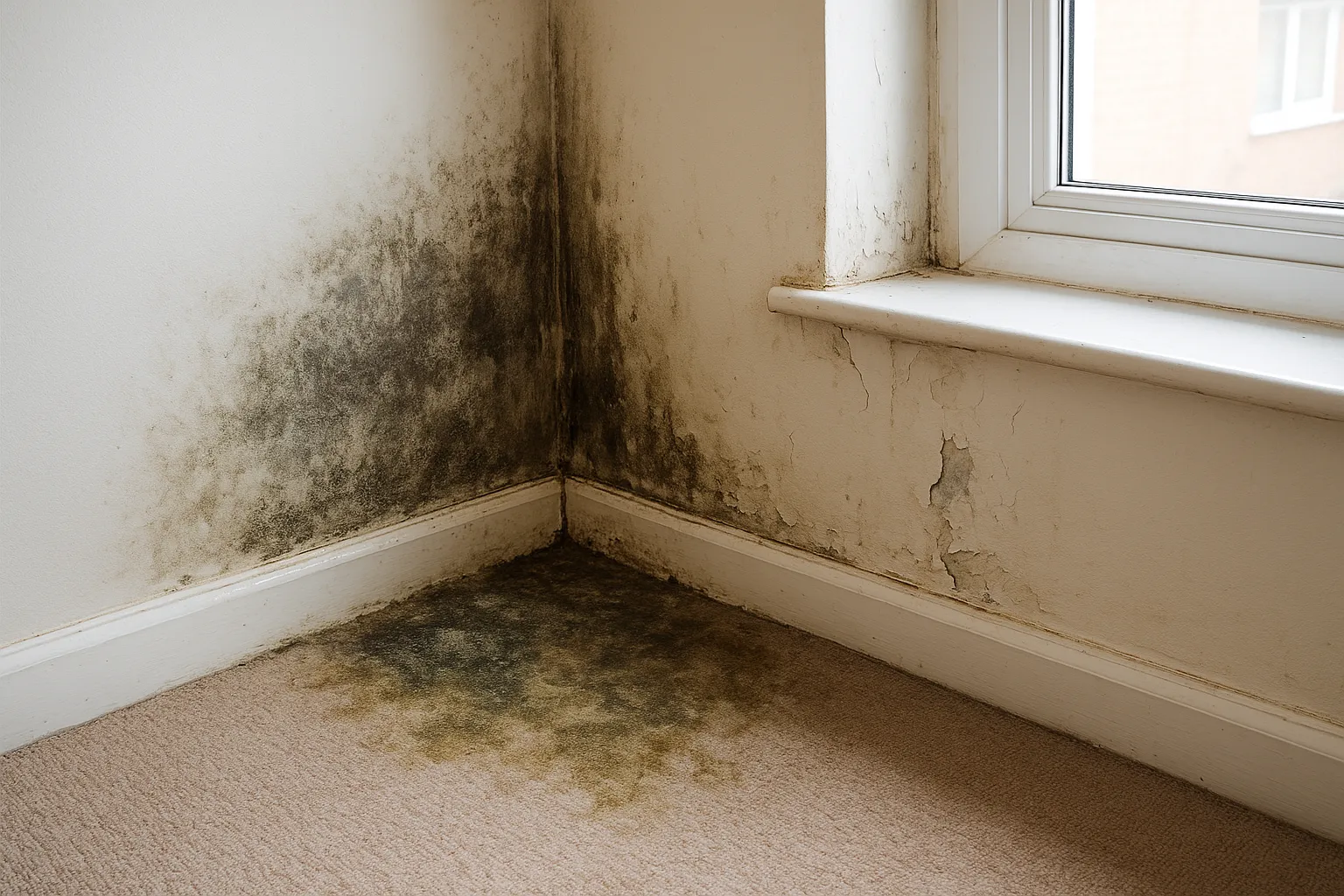
Landlords in England who neglect to address serious safety issues in residential properties are now subject to penalties reaching £7,000. Starting Monday, local authorities across England have been granted new enforcement powers allowing them to impose such fines for significant hazards affecting tenants, including but not limited to severe damp and mould, dangerously low temperatures, structural defects, fire risks, and electrical faults.
Housing Secretary Steve Reed has communicated with mayors across the country, urging them to enact these new regulations to combat hazardous living conditions for renters. This fine is an additional tool available to councils, complementing existing measures, which include compelling landlords to carry out necessary repairs, executing urgent work, and reclaiming costs from those who fail to act.
Reed commented: “Renters deserve a safe, secure place to call home and our landmark Renters’ Rights Act gives councils more options to take speedy action against rogue landlords. These include the new power to issue a £7,000 penalty to a landlord when there is a hazard like severe damp or mould in a privately rented home – a situation that no family should have to live with.”
In parallel with the introduction of these penalties, the Government is initiating updates to the Housing Health and Safety Rating System (HHSRS) in England. The revised framework will take effect on Tuesday, designed to enhance the ability of councils to identify and act on risks promptly, thereby safeguarding tenants across varying types of housing.
Ben Twomey, the chief executive of Generation Rent, expressed support for the initiatives, stating: “Homes are the foundations of our lives, and no renter should have to live alongside mould, dampness and other risks to our health. The council being given the power to fine landlords up to £7,000 if they ignore repairs is an essential step towards raising the quality of rented homes. For renters to feel the benefit, though, councils must seek out and take action against those landlords who ignore unsafe conditions and profit from misery.”
Clara Collingwood, director at the Renters’ Reform Coalition, echoed these sentiments, underlining the necessity for immediate action. She declared: “Homes are the foundation for our lives, but for far too long hundreds of thousands of renters have been living in substandard homes that undermine our health and cause serious harm to children and vulnerable adults. It’s great that authorities have new powers to tackle this, and they must start using them immediately to crack down on landlords who profit from unhealthy homes.”
Collingwood also pointed out the empowerment of tenants through enhanced rights. She urged individuals living in ill-maintained properties to come forward, asserting that they no longer need to tolerate poor conditions. “With new rights and protections, and section 21 evictions scrapped, we can’t be evicted for complaining and shouldn’t be afraid to report dodgy landlords to the council,” she said.
This enforcement initiative arrives at a crucial time when millions of renters find themselves in precarious situations due to the deteriorating conditions in many rental properties. Advocates for tenants argue that the quality of rented accommodation has been diminishing, which poses serious health risks, especially for vulnerable populations including children and the elderly.
The Government’s commitment to tackle these issues has been met with optimism among housing advocates. “This is a fundamental shift towards safeguarding tenant welfare,” remarked a representative from a leading housing charity, who preferred to remain anonymous. “The power to impose significant fines on negligent landlords could lead to a more accountable rental market, deterring property owners from ignoring essential repairs.”
As the new measures roll out, it remains critical for local authorities to effectively utilise these powers. Experts in the housing sector stress that the success of this initiative will depend not only on the implementation of fines but also on the willingness of councils to actively engage with tenants and represent their interests.
Communities that have long endured living in substandard conditions are hopeful that these developments will lead to tangible changes. The increased focus on tenant rights is being seen as a movement that prioritises safe and decent living standards, offering a renewed sense of hope to those currently navigating the challenges within the rental market.
In conclusion, as these new laws take effect, the emphasis will undoubtedly be on the practical impact of these penalties and the broader implications for the housing sector in England. There is a clear expectation that with new responsibilities must come a commitment from both landlords and local authorities to ensure that all renters are afforded the dignity and safety they deserve in their homes.
Our Thoughts
To prevent issues related to dangerous housing conditions like damp and mould, landlords must prioritize compliance with the Housing Health and Safety Rating System (HHSRS) and relevant Health and Safety at Work Act 1974 regulations. Key safety lessons include the necessity of regular property inspections and prompt remediation of identified hazards to ensure tenant safety.
The article outlines newly implemented penalties for landlords who neglect necessary repairs, indicating a breach of the HHSRS, which requires residential properties to be safe and devoid of health risks. The enforcement of fines serves as a deterrent against non-compliance but highlights the need for councils to proactively inspect properties and enforce standards.
To mitigate similar incidents in the future, landlords should be mandated to maintain properties in a safe and habitable condition, conducting routine checks for issues such as structural integrity, fire hazards, and moisture levels. Furthermore, renters should be informed of their rights to report unsafe living conditions without fear of retaliation—a vital step in promoting health and safety standards in the rental sector. Robust communication between tenants and local authorities could significantly improve compliance and enforcement of health and safety regulations.