
















Story Highlight
– Over 60 million expected to fly from UK airports this summer.
– CAA warns against packing batteries in checked luggage.
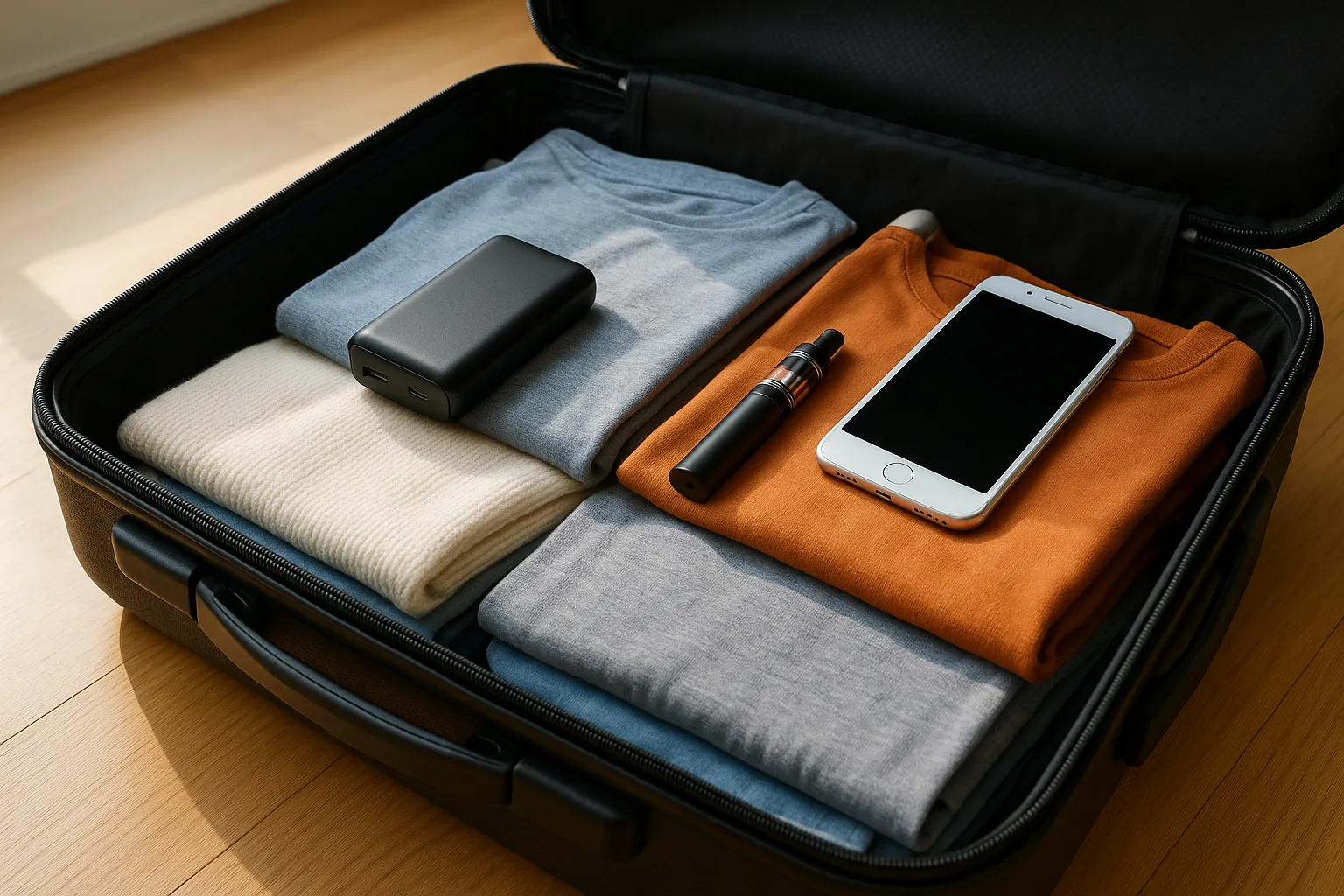
– Mobile phones and power banks must stay in hand luggage.
– Incidents with lithium batteries have doubled recently.
– Support from airlines for the ‘Pack Right’ campaign.
Full Story
This summer, UK airports anticipate an influx of over 60 million air travellers, prompting the UK Civil Aviation Authority (CAA) to issue an important warning regarding the packing of batteries. Passengers are strongly advised to avoid placing batteries in their checked luggage, as this could lead to severe safety risks onboard.
The CAA has initiated a summer campaign titled “Pack Right for a Safe Flight,” aimed at raising awareness about the hazards of improperly stored electronic devices. Batteries from mobile phones, vapes, and power banks must be stored in hand luggage rather than in checked bags. Giancarlo Buono, who serves as the Director of Aviation Safety at the CAA, emphasised the importance of following these guidelines: “Flying is by far the safest way to travel and we want to keep it that way. Pack right for a safe flight, and that means don’t put your batteries in your checked bag.”
The safety message is clear—passengers should carry their batteries into the cabin. Buono added, “This simple tip will make your flight safer for you, and the other passengers you’re flying with.” Additionally, travellers are warned not to charge power banks or electronic devices onboard flights and must ensure laptops are completely turned off before being placed into checked baggage.
The CAA’s strong warnings stem from significant data indicating that incidents related to lithium batteries have become alarmingly frequent. Reports indicate that onboard fires caused by malfunctioning batteries now occur approximately twice every week. Official statistics reveal that the number of overheating or failing devices has escalated, with a staggering 98% increase in reports from 2024 to 2025. Furthermore, there has been a 91% jump in cases involving lithium battery-powered devices being improperly packed in checked luggage within the same timeframe.
Despite the rising incidents, a concerning lack of awareness persists among passengers. According to recent surveys, 36% of travellers remain oblivious to the dangers associated with packing batteries in checked luggage, even though a substantial 92% are known to carry mobile phones while 55% bring laptops and 49% pack power banks.
In light of the significant risk posed by lithium batteries, the CAA has stressed the necessity of proper packing advice as these devices are now identified as a primary safety concern for aircraft. Passengers should not bring more than two power banks when flying, and while they may use power banks to charge devices during the flight, it is crucial that the power banks themselves are not charged aboard the aircraft.
The risk assessment further extends to vapes and other high-risk items, which must also be transported in cabin baggage. As summer travel surges, the CAA has urged passengers to confirm regulations with their airline or consult dedicated guidance provided on the CAA’s official website. Cabin crew members are also available to offer assistance and enforce safety measures onboard.
Major carriers, including Virgin Atlantic, have pledged their support to the CAA’s summer initiative. Gareth Salt, the airline’s Vice President of Health, Safety, and Security, highlighted the importance of such communications during the busy travel season: “It’s really important that customers know the guidance for lithium battery-powered devices, including power banks and vapes, and pack them correctly. We’re proud to support the CAA’s ‘Pack Right for a Safe Flight’ campaign, helping to raise awareness of the simple steps customers can take to reduce risk and ensure every journey is as safe and enjoyable as possible.”
Support for the campaign extends beyond individual airlines; industry representatives from Airlines UK and AirportsUK have also expressed their commitment. Tim Alderslade, Chief Executive of Airlines UK, stated, “UK airlines support this important campaign. Flying is the safest form of travel, but as the number of electronic devices we use increases, the risk of lithium battery incidents is a growing challenge. The best outcome is always prevention, which starts when passengers pack their bags.”
Karen Dee, Chief Executive of AirportsUK, echoed these sentiments, underlining the collaborative efforts across the aviation sector to educate travellers on proper battery packing. She asserted, “Everyone in aviation is working hard to ensure that passengers are aware of the rules around the packing of rechargeable batteries and that we can all fly off on our summer holidays safely. We have developed a clear message: travellers must bring any rechargeable batteries they wish to take on their holidays with them into the cabin.”
With the seasonal surge in air travel underway, awareness and adherence to packing regulations are paramount. The CAA, alongside supporting airlines, is reminding all passengers to take a moment to double-check their bags and ensure compliance with safety guidelines. As the summer holidays approach, the goal remains clear: to promote safe flight experiences for all passengers.
By understanding the implications of battery packing and following industry recommendations, travellers can contribute to a safer aviation environment, making their journey pleasant and secure. Whether you carry a power bank or vape, remember to keep them close—safety starts with informed packing.
Our Thoughts
To prevent incidents related to the incorrect packing of lithium batteries in checked luggage, several measures could be implemented. First, enhanced awareness campaigns and educational programs focused on the dangers of lithium batteries should be established, targeting regular travelers through various media channels. This aligns with the Health and Safety at Work Act 1974, which emphasizes the duty of care to ensure safety for all.
Furthermore, airports and airlines could implement more stringent checks at security to ensure compliance with packing regulations, possibly integrating technology to identify hazardous items more effectively. The Aviation and Maritime Security Act 1990 also supports this measure by allowing security personnel to screen luggage more thoroughly.
Regular audits and checks could be conducted by the Civil Aviation Authority to monitor compliance with packing regulations, reinforcing adherence to safety standards. As incidents involving lithium batteries are on the rise, addressing both passenger education and regulatory enforcement could significantly mitigate risks associated with aircraft incidents.