













Story Highlight
– Health experts warn against unsafe eclipse viewing methods.
– Ordinary sunglasses do not protect against solar radiation.
– Viewing the sun can cause permanent eye damage.
– Use genuine eclipse glasses meeting safety standards.
– Safe indirect viewing methods include pinhole projectors.
Full Story
Health authorities are issuing urgent warnings to the public as the partial solar eclipse approaches on 12 August, which will be visible across the UK. Experts from the UK Health Security Agency (UKHSA) have cautioned against the dangers of looking directly at the sun without appropriate eyewear, stressing that only specialist equipment can ensure safety during this celestial event.
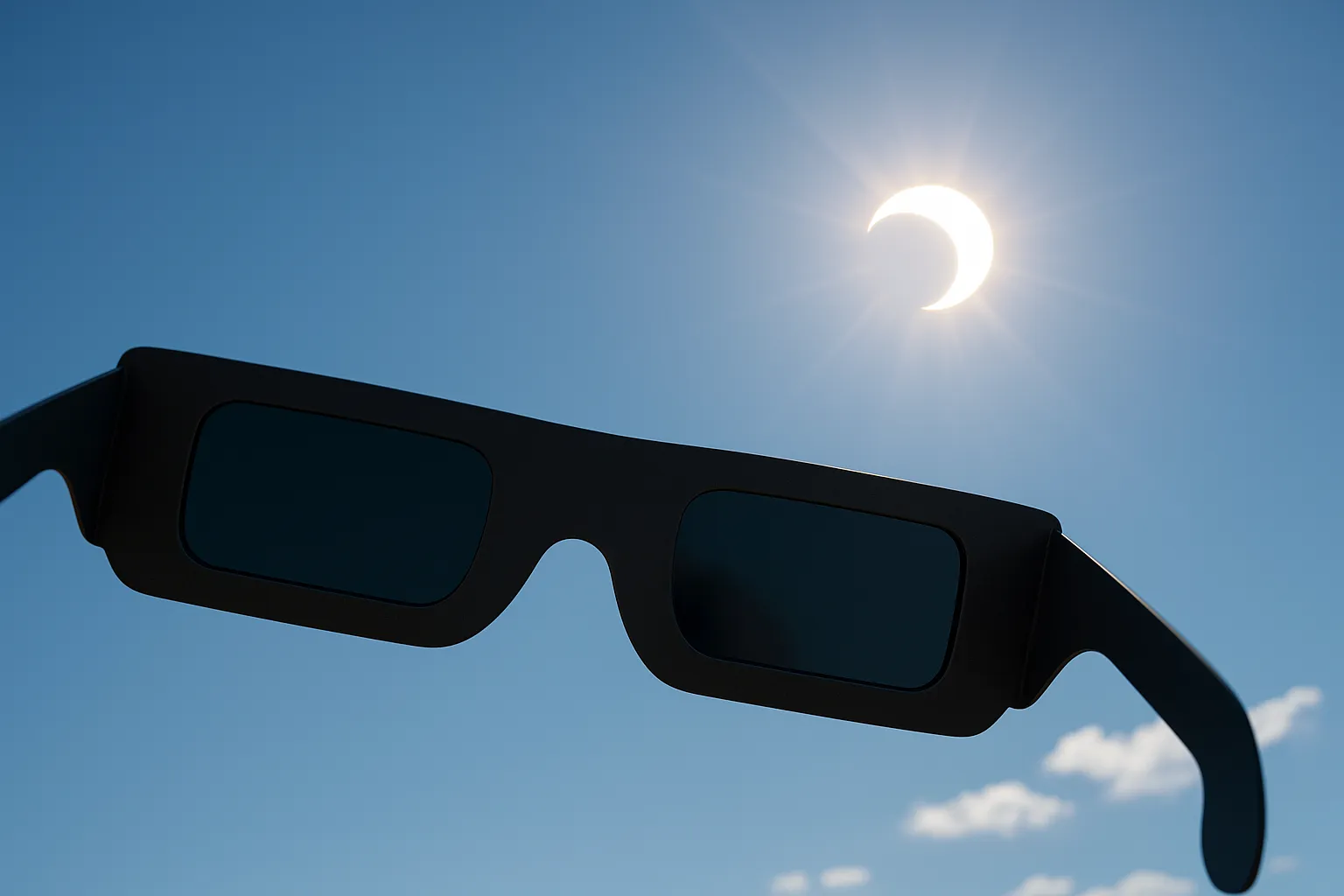
The impending eclipse has generated considerable excitement among the public, with many eager to witness the natural spectacle. However, the UKHSA has raised concerns about the misconception that regular sunglasses can offer sufficient protection. “Ordinary sunglasses – no matter how dark – allow harmful solar radiation to reach the retina and should not be used to view an eclipse,” the agency stated in a recent social media alert. They emphasised the need for genuine eclipse glasses equipped with specifically designed filters that comply with the international safety standard ISO 12312-2:2015(E).
The agency also explained the inherent risks of viewing a solar eclipse. When the sun is partially obscured by the moon, it appears less bright, which can trick observers into looking directly at it. This reduced brightness can impair the body’s natural instinct to turn away, resulting in intense sunlight causing damage to the retina. Notably, this harm can occur without immediate pain, meaning individuals might not be aware that they are inflicting injury on their eyesight until it is too late.
Historical precedents underline the necessity of caution. Following the total solar eclipse in 1999, the Royal College of Ophthalmologists reported upwards of 70 cases of individuals enduring vision-related issues. Alarmingly, nearly 40% of these cases involved people who had gazed at the eclipse for less than a minute.
The UKHSA firmly advises against using regular sunglasses for eclipse viewing, as they merely reduce glare and may encourage longer viewing times while still allowing damaging solar radiation to penetrate the eyes. “Never use regular sunglasses to look at the sun during an eclipse,” the experts cautioned.
To safely observe the eclipse, there are two recommended methods: utilising specialist eclipse viewers or engaging in indirect viewing techniques. If one opts for eclipse glasses or handheld solar viewers, it’s imperative to ensure these are authentic products that meet established safety standards. The UKHSA noted, “Genuine eclipse glasses are available from reputable retailers, including Royal Museums Greenwich, but exercise caution with online offerings which may not meet safety requirements.” They also advised against using eclipse glasses that show any signs of wear, such as scratches or damage.
For those seeking alternative viewing methods, there are simple and safe techniques that do not require special equipment. For instance, constructing a pinhole projector at home is an accessible option. Other indirect viewing methods include using a colander to project the sun’s image or observing the sun’s reflection through the gaps between leaves of a tree.
It is crucial for everyone planning to view the eclipse to follow guidance meticulously. The Royal Astronomical Society has published a range of detailed recommendations regarding safe viewing practices, reinforcing the importance of prioritising eye safety during this astronomical event.
As the eclipse draws nearer, community interest continues to rise. Schools and local organisations have begun discussing educational programs to inform the public about solar eclipses and safety measures. Such initiatives promise to engage learners of all ages in both science and safe practices during this form of celestial observation.
Experts urge the public to take these warnings seriously. Eye damage caused by improper solar viewing can lead to permanent vision impairment. Additionally, local eye care professionals are gearing up to deal with potential fallout from the eclipse, reminding individuals of the importance of preventive measures.
In this time of heightened anticipation, it is essential to spread awareness about eye safety and the realities of solar eclipses. By ensuring that friends and family are informed of the potential dangers and safe practices, the community can look forward to enjoying this captivating event without the risk of tragic consequences.
In conclusion, as the UK prepares to witness the partial solar eclipse, it is vital for individuals to fully understand the risks associated with viewing the sun directly. The call for vigilance and awareness is clear—employ legitimate eclipse glasses or indirect viewing techniques to safeguard your eyesight while appreciating this remarkable solar phenomenon.
Our Thoughts
To prevent eye injuries during solar eclipses, several key measures should be implemented, emphasizing public safety and awareness. Firstly, clear and widespread communication about the dangers of viewing the sun without appropriate protection is essential. This includes reinforcing that ordinary sunglasses are insufficient and highlighting the need for certified eclipse glasses compliant with ISO 12312-2:2015(E).
Moreover, relevant UK Health and Safety legislation, such as the Health and Safety at Work etc. Act 1974, places a duty on organizations to ensure public safety. Educational campaigns must be reinforced to provide explicit guidance on safe viewing methods, including indirect viewing techniques that do not require specialist equipment.
Events or gatherings to observe solar eclipses should have adequate information disseminated to participants, ensuring they understand safe practices. Retailers selling eclipse glasses should be regulated to guarantee the authenticity and safety of products available to the public.
Ultimately, a comprehensive approach combining education, regulation, and accessible resources can significantly reduce the likelihood of eye damage during future solar eclipses.