
















Story Highlight
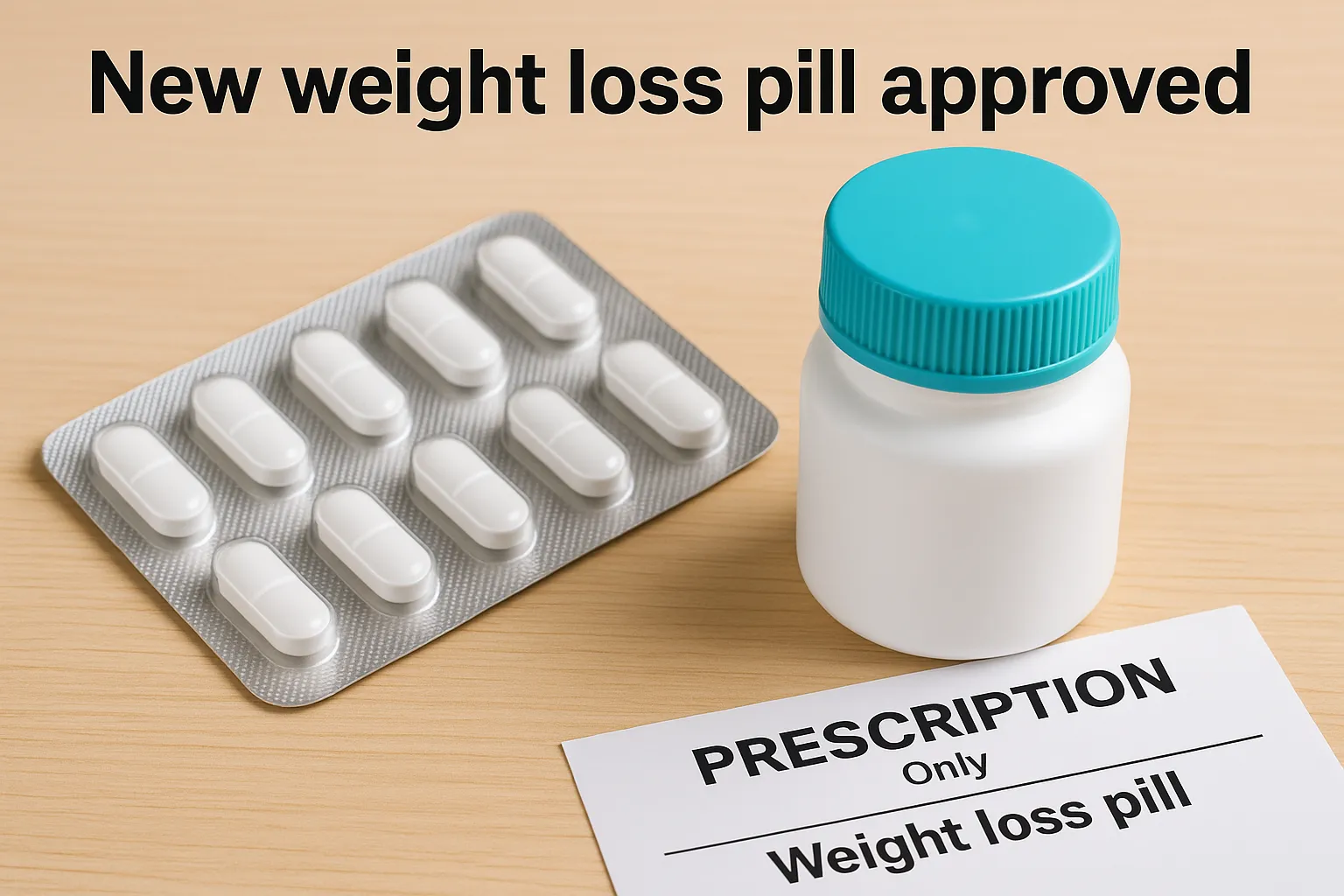
– New weight loss pill orforglipron approved in the UK.
– Approved for adults with BMI over 27 or 30.
– Prescription-only medication alongside diet and exercise.
– Common side effects include nausea and abdominal pain.
– Not yet available via NHS; requires doctor prescription.
Full Story
Health authorities have given the green light to a new prescription-only medication aimed at weight management and the treatment of type 2 diabetes, marking a significant advancement in the UK’s healthcare options. The Medicines and Healthcare products Regulatory Agency (MHRA) announced the approval of orforglipron, known commercially as Foundayo, making the UK the first European nation to endorse this particular GLP-1 tablet.
In making the announcement, a spokesperson for the MHRA provided details about the conditions under which the medication has been authorised. It is intended for adults in the UK who have a body mass index (BMI) of 30 or higher, or between 27 and 30 while also struggling with at least one obesity-related health issue, such as hypertension or diabetes. The medication is designed to be used in conjunction with a calorie-restricted diet and increased exercise to facilitate weight reduction and maintenance. Moreover, it is recognised for its potential to assist in improving glycaemic control for individuals with type 2 diabetes who have not responded adequately to other treatments.
Julian Beach, the Executive Director of Healthcare Quality and Access at the MHRA, expressed his satisfaction with the initiative, stating, “Following rigorous assessment of orforglipron’s safety, quality, and effectiveness, we are pleased to be the first regulator in Europe to authorise this tablet for weight management and type 2 diabetes.” Beach also confirmed that the MHRA will continue to monitor the medication closely, as is standard practice with prescription-only treatments.
Earlier this year, the MHRA had also approved Wegovy, the UK’s initial weight loss tablet, which experts had suggested could support as many as 100,000 individuals in achieving their weight loss goals, provided they adhere to lifestyle modifications. Similar to orforglipron, Wegovy requires a prescription and is available to adults with a BMI of 30 or more, or those with a BMI between 27 and 30 coupled with a related health condition.
Orforglipron is administered orally on a daily basis and comes with no specific food or water limitations, which distinguishes it from Wegovy. The administration regime for orforglipron begins at a dose of 0.8 mg, progressively increasing through multiple levels up to 17.2 mg. Each dose should be maintained for a minimum of one month to ensure the treatment is effective.
Mechanistically, orforglipron operates as a GLP-1 receptor agonist. It simulates the action of the endogenous hormone glucagon-like peptide-1 (GLP-1), which is secreted by the body post-meal. By acting on the brain’s appetite control centres, it enhances feelings of fullness, diminishes hunger pangs, and curbs food cravings. According to the MHRA, this mechanism not only supports weight loss but also assists individuals with type 2 diabetes by lowering elevated blood sugar levels.
Although orforglipron presents promising potential for weight loss and diabetes management, users should be aware of possible side effects. The most frequently reported adverse effects include nausea, constipation, diarrhoea, vomiting, indigestion, and abdominal pain. The MHRA noted, “As with all new treatments, decisions on NHS use will follow established processes, including an evaluation by the National Institute for Health and Care Excellence (NICE).” Individuals experiencing side effects are urged to consult with healthcare professionals and report their experiences through the Yellow Card scheme, which is designed for monitoring drug safety.
As orforglipron falls under the category of prescription-only medications, patients must obtain it through a licensed pharmacy, accompanied by a prescription from a qualified healthcare provider. While the medication has received approval for use in the UK, it is not yet accessible through the National Health Service (NHS).
The introduction of orforglipron represents a strategic development in the management of obesity and type 2 diabetes, reflecting ongoing efforts to address these significant health concerns within the UK. As health officials navigate the complexities of integrating new treatments into existing healthcare frameworks, the emphasis on safety and efficacy continues to shape the regulatory landscape.
Experts highlight the necessity of continual monitoring and evaluation of new medications to ensure not only their effectiveness but also the safeguarding of public health. The commitment by the MHRA to closely track orforglipron’s long-term safety and effectiveness exemplifies a proactive approach to healthcare regulation.
Healthcare providers are encouraged to remain informed of updates regarding orforglipron and other similar medications as they become available, ensuring that patients receive the most effective and safe options for managing obesity and diabetes. With ongoing research and the development of new therapies, the landscape of weight management and diabetes care in the UK is poised for significant evolution in the coming years.
Our Thoughts
The approval of the new prescription-only weight loss pill, orforglipron, highlights the importance of strict adherence to UK health and safety legislation concerning medicinal products. To enhance safety and effectiveness, clearer guidelines could have been established on monitoring post-market effects and better education for prescribers on potential side effects, given that adverse reactions like nausea and diarrhea were noted.
Key lessons include the necessity of ongoing safety evaluations under the MHRA’s regulation framework and the potential health risks associated with unregulated sales of prescription medications. The article indicates that promoting prescription-only medications to the public is illegal, which raises concerns about compliance that must be maintained to prevent misuse.
Relevant legislation that could have been breached includes the Human Medicines Regulations 2012, which regulates the sale and supply of medicines in the UK, ensuring they are properly assessed for safety and efficacy. To prevent similar incidents, robust monitoring systems should be established post-approval, alongside clear communication about safe usage to both healthcare providers and patients.