















Story Highlight
– One in three people infected with toxoplasma parasite.
– Toxoplasmosis can cause blindness, miscarriages, organ damage.
– Symptoms often mimic flu; many remain asymptomatic.
– Researchers urge WHO to recognize it as neglected disease.
– Improved healthcare access could reduce severe outcomes significantly.
Full Story
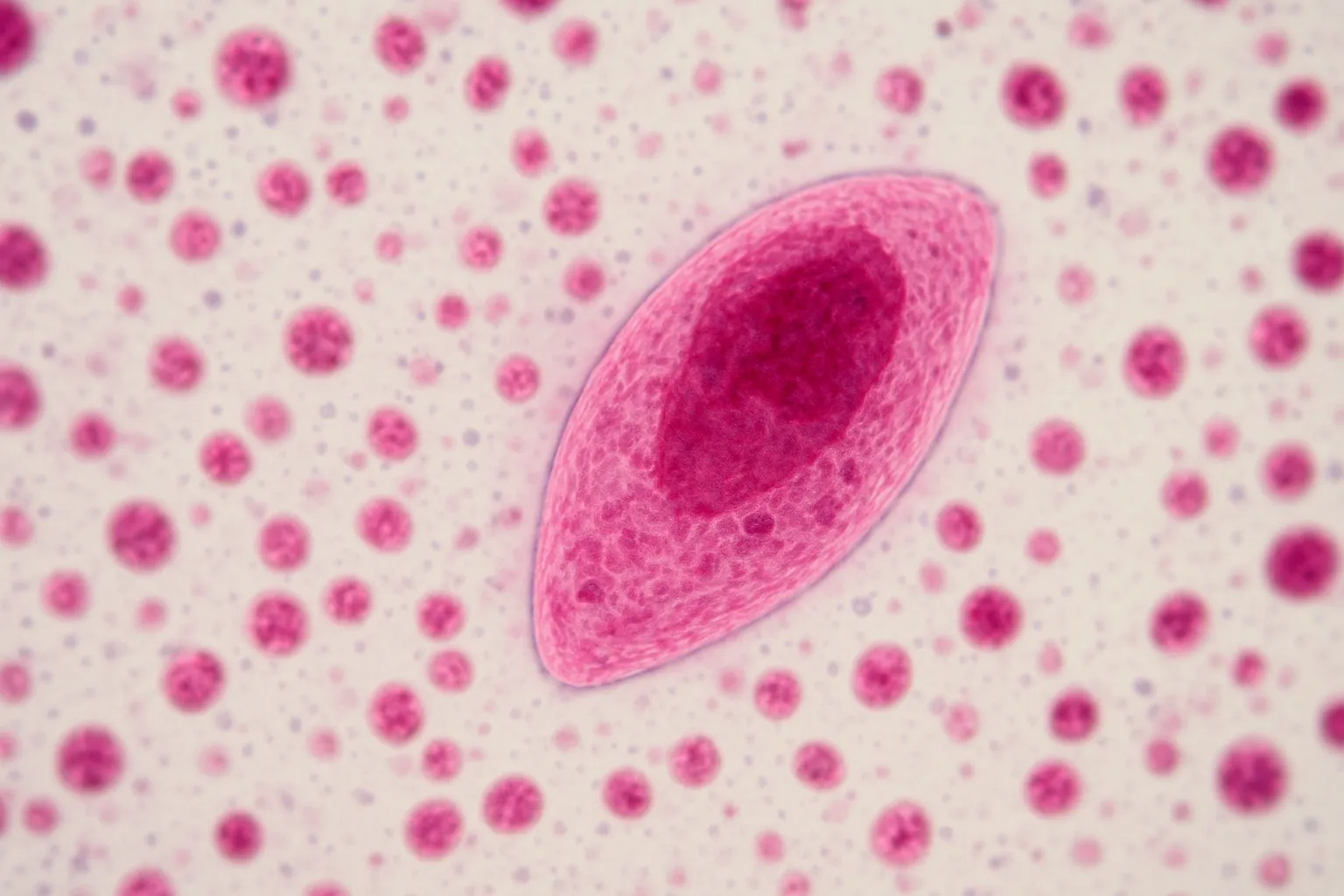
A significant proportion of the population may be unwittingly living with an often-overlooked parasite known as Toxoplasma, which has the potential to cause serious health issues, including blindness, miscarriages, and organ damage, according to recent research. It is estimated that one in three people carries this parasite, yet many are unaware of their infection due to the lack of noticeable symptoms.
Toxoplasmosis represents a lesser-known parasitic condition that can manifest as flu-like symptoms in some individuals. For those who do experience symptoms, they may include fever, fatigue, headaches, and body aches. But in more critical cases, particularly among pregnant women and those with compromised immune systems, the consequences can be severe. Experts from the University of São Paulo and Flinders University have raised alarms about the low awareness surrounding this common disease. They advocate its formal recognition as a neglected tropical disease (NTD) by the World Health Organization (WHO).
The transmission of Toxoplasma to humans primarily occurs through contact with the faeces of infected cats. When pet owners do not practice hygiene after handling cat litter, they may unknowingly expose themselves to this parasite. Other routes of infection include consuming undercooked meats, contaminated fruits and vegetables, or unclean water.
For expectant mothers, the implications of contracting toxoplasmosis can be especially grave, potentially leading to miscarriage or severe birth defects affecting the eyes or brain of the newborn. Children who contract the parasite may experience progressive vision issues later in life, emphasizing the critical need for awareness and preventive measures.
Individuals with weakened immune systems are also at risk, as toxoplasmosis can lead to complications affecting various organs, including the eyes, brain, heart, and lungs. One of the most concerning manifestations is ocular toxoplasmosis, which can damage the retina and result in irreversible vision loss.
According to government statistics, England and Wales see approximately 350 new cases of toxoplasmosis diagnosed each year. In a recent publication in PLOS Neglected Tropical Diseases, the researchers highlighted the significant impact this infection can have on eyesight, which tends to be ignored in many global health discussions.
Professor Justine Smith, a senior author involved in the research from the Flinders Health and Medical Research Institute, stated, “Toxoplasmosis is a leading eye infection and a major cause of vision loss worldwide, yet it receives limited attention in global health agendas. With WHO’s recognition, we can make substantial progress in prevention and management of this infection.”
Common symptoms of toxoplasmosis can include:
– A high fever
– Persistent headaches
– Sore throat
– Body aches
– Swollen lymph nodes
– Extreme tiredness
– Nausea or vomiting
More severe manifestations may include neurological symptoms such as:
– Confusion
– Blurred vision
– Slurred speech
– Difficulty walking steadily
Authorities like the NHS recommend that pregnant women who develop symptoms associated with toxoplasmosis seek urgent medical advice. Symptoms such as confusion or slurred speech should prompt immediate emergency medical assistance.
Associate Professor João Furtado, the lead author of the study from the University of São Paulo, remarked on the misconception surrounding toxoplasmosis, stating, “Toxoplasmosis is often seen as inevitable, but it has well-characterised transmission pathways and can be prevented and controlled. The most severe outcomes, including blindness, tend to occur in communities with limited access to healthcare, safe food, clean water, and prenatal care.”
He further asserted that enhanced public health policies, including improved food safety measures, access to clean drinking water, better sanitation practices, and expanded antenatal care, could significantly mitigate these health risks associated with toxoplasmosis.
The researchers argue that gaining formal status for toxoplasmosis as a neglected tropical disease would facilitate increased funding directed towards the research, prevention, and treatment of the infection.
Professor Smith added, “It would support countries to integrate toxoplasmosis prevention into maternal and child health programs, food safety systems, and primary care. Our statement is a call to action to finally address the unacceptable global health burden of toxoplasmosis.”
To prevent infection, particularly for pregnant women and others with weakened immune systems, various guidelines can be followed:
– Use gloves when gardening and ensure diligent handwashing afterwards.
– Perform hand hygiene before food preparation and eating.
– Sanitize hands, utensils, and surfaces after handling raw meat.
– Thoroughly wash fruits and vegetables to eliminate soil residues.
– Cook meat to safe temperatures, particularly lamb, pork, and venison.
– Avoid contact with cat litter and soil containing cat faeces; if unavoidable, wear gloves and wash hands immediately after.
– Steer clear of consuming raw or undercooked meats, unpasteurised dairy products, and avoid contact with pregnant sheep or lambs.
– Provide cats with cooked meat only, avoiding raw or undercooked options.
These steps are vital not only for individual health but also for community well-being, reducing the surge of this underestimated parasite and its potential ramifications. Awareness and education remain pivotal in combatting the threat posed by Toxoplasma and ensuring that vulnerable populations are adequately protected.
Our Thoughts
The article highlights the public health risk posed by the parasite Toxoplasma and the significant health implications, particularly for pregnant women and immunocompromised individuals. To mitigate such risks, several proactive measures should be implemented.
Firstly, increased public awareness campaigns about the transmission pathways of Toxoplasma, particularly regarding cat litter hygiene and food safety, are essential. Educational programs should focus on proper handling and cooking of meat, along with safe practices in gardening and food preparation.
Moreover, the lack of recognition of toxoplasmosis as a neglected tropical disease by health authorities reflects a breach of health and safety regulation as stipulated in the Health and Safety at Work Act 1974, which mandates employers to ensure a safe environment. This includes adequate training on handling potential sources of infection.
Preventive health measures, such as promoting access to clean water, safe food, and antenatal care, would significantly reduce severe outcomes. These steps align with the Control of Substances Hazardous to Health (COSHH) Regulations, emphasizing the need to control exposure to biological hazards.
In summary, public health initiatives, regulatory oversight, and community education are crucial to preventing future incidents related to toxoplasmosis.